
It started with one plant that kept failing
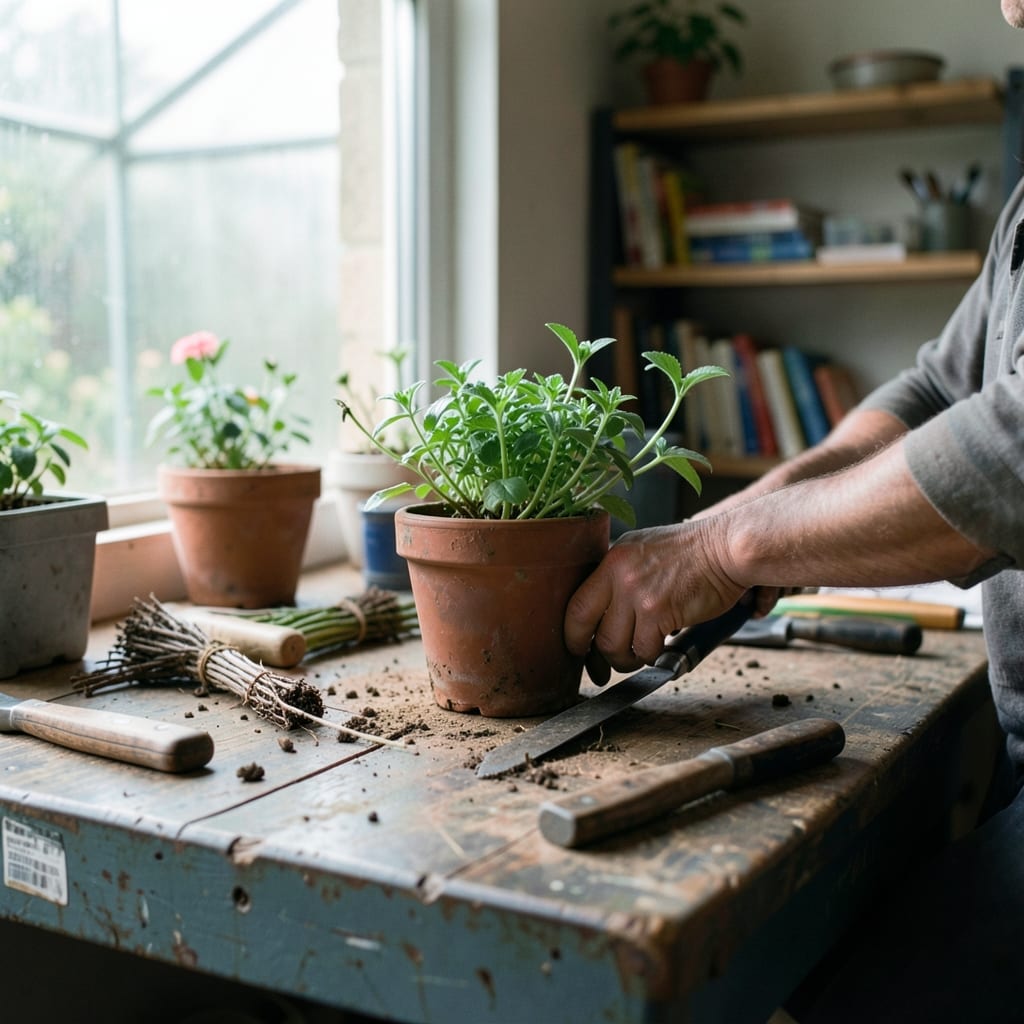
In late May, I planted a single seedling of ‘Black Krim’ tomato in the back corner of our raised bed—where the soil stayed damp too long and the morning sun barely reached.
The first leaves were pale, then yellowed at the edges, and by June, the stem had softened like overripe fruit. It wasn’t blight (no spots, no wilting), just a slow rot from the ground up. I replanted it twice in the same spot, each time watching the same thing happen.
The third attempt lasted longer. The leaves stayed green for a week, but the stem split open at the base, oozing a thick, colorless sap.
I’d read every guide on soil pH, drainage, and companion planting, but none of them mentioned what to do when the plant itself was the problem. That’s when I realised: the soil wasn’t the issue. I was.
I’d assumed the garden knew what it was doing. That if I followed the rules—amend the soil, water at dawn, stake the plants—I’d get results. But the ‘Black Krim’ kept dying because I wasn’t asking the right questions.
Not about the plant, but about *me*: why I kept repeating the same mistakes, why I trusted the first answer I found, and why I’d rather replant than admit I might be wrong.
Nine tries before it worked
The fourth planting went in a different bed, this time in full sun with a mix of compost and perlite to break up the clay. The fifth had a drip irrigation line buried beside it, but the waterlogged the roots anyway.
By the seventh attempt, I’d moved it to a container—elevated, with drainage holes—and still, the stem darkened at the base. Each failure took a week to notice, another to diagnose, and a full season to forget why I’d done it that way in the first place.
The breakthrough came on the eighth try. I swapped the container for a deep wooden planter, added a layer of coarse sand at the bottom, and this time, I didn’t touch it for two weeks. No fertiliser, no pruning, just observation.
The plant grew two inches before I even checked the soil moisture. The ninth attempt—still in that same planter—produced its first true leaves without a single blemish.
The lesson wasn’t in the soil or the sun or the water. It was in the waiting. Every time I’d rushed to fix something, I’d made it worse. The ‘Black Krim’ didn’t need my interference; it needed my attention.
And that’s when I realised this was how I’d approach everything else: slow, deliberate, and willing to let things fail before they succeeded.
The mind behind these pages
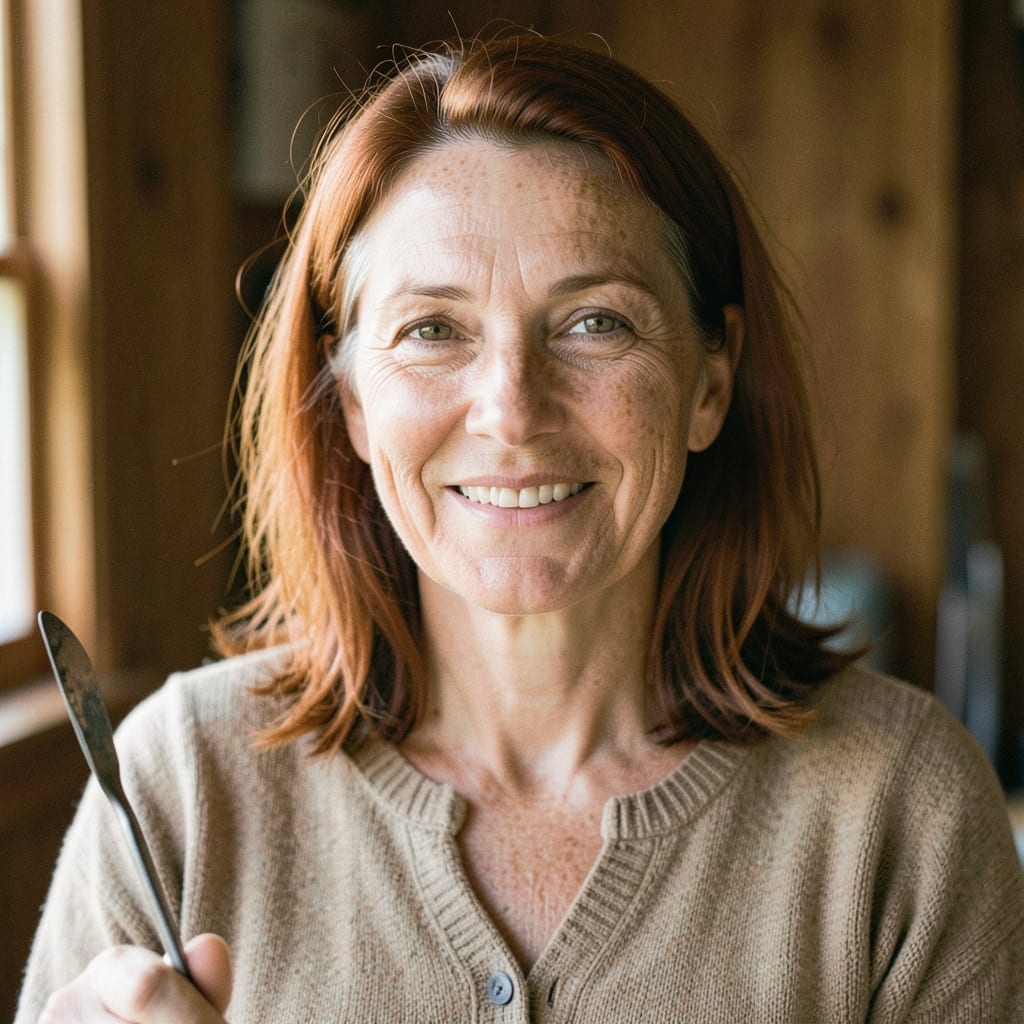
That’s how Trisha Everson, founder of *The Gardener*, spends her time: replanting the same idea until it takes root.
She’s the one who’d rather dig up a bed three times than accept that the first attempt was ‘good enough.’ Her family’s small plot in upstate New York taught her that gardening isn’t about perfection—it’s about the questions that come after the mistakes.
She’s the kind of person who keeps a notebook by the sink, scribbling soil pH levels and leaf discolorations like they’re clues in a story.
Her habit of remaking things—whether it’s a failed planting or a half-written guide—cost her more than one season’s harvest, but it also saved her from ever publishing something that didn’t hold up under scrutiny. Her grandfather was the first to call it ‘stubbornness,’ but the garden called it persistence.
She’s also the one who still gets distracted by the way light hits a single dandelion at dawn, or how a row of zinnias can turn a July afternoon into a different color.
Those are the moments that keep her coming back—not the harvest, not the awards, but the quiet magic of watching something grow because you refused to give up on it.
And yes, she still has that ‘Black Krim’ plant. It’s thriving now, heavy with fruit, and every time she walks past it, she remembers the nine times it almost didn’t.
Everything here is written the way that tomato was
This site doesn’t publish a guide until it’s been tested nine times—once in theory, and eight more in real soil, with real failures, and real adjustments. The notes you’ll find in the margins (the ‘why this happened’ and ‘what I’d try next’) aren’t afterthoughts.
They’re the only parts that matter, because they’re where the learning happens.
Months after a page goes live, we’ll replant the experiment. Not to prove the original answer was right, but to see what changes when the season shifts, or the soil dries out differently, or the gardener (yes, even us) forgets a step.
Those updates aren’t corrections—they’re continuations of the same conversation.
The ‘Black Krim’ didn’t just teach us how to grow tomatoes. It taught us that gardening isn’t about the end result—it’s about the questions you ask along the way. And that’s why every page here starts with a failure, a guess, and a promise: we’ll keep trying until it works.
What that means for you
You’ll find no perfect gardens here, only honest ones. No step skipped, no mistake hidden, and no advice given until it’s been tested in the real world—with all its variables, its setbacks, and its surprises. What you *won’t* find are quick fixes or ‘best of’ lists.
This is for the gardener who’s willing to roll up their sleeves, get their hands dirty, and ask: *What did I miss?*
If you’ve ever replanted something three times and still wondered why it didn’t work, or if you’ve spent a season chasing answers that didn’t stick, this is where you’ll find the questions you didn’t know to ask.
And if you’ve got a story of your own—one where a plant, a bed, or a season taught you something the guides didn’t—we’d love to hear it.
The best lessons come from the failures we don’t talk about. Send us your stories of what almost didn’t grow—and what changed when you tried again. What’s the one plant, soil mix, or technique that stumped you until you figured it out?
The guides are grouped by category: Companion Plants, Flowers, How To, Lawn, Light Requirements and Orchid Care.