
Light Requirements
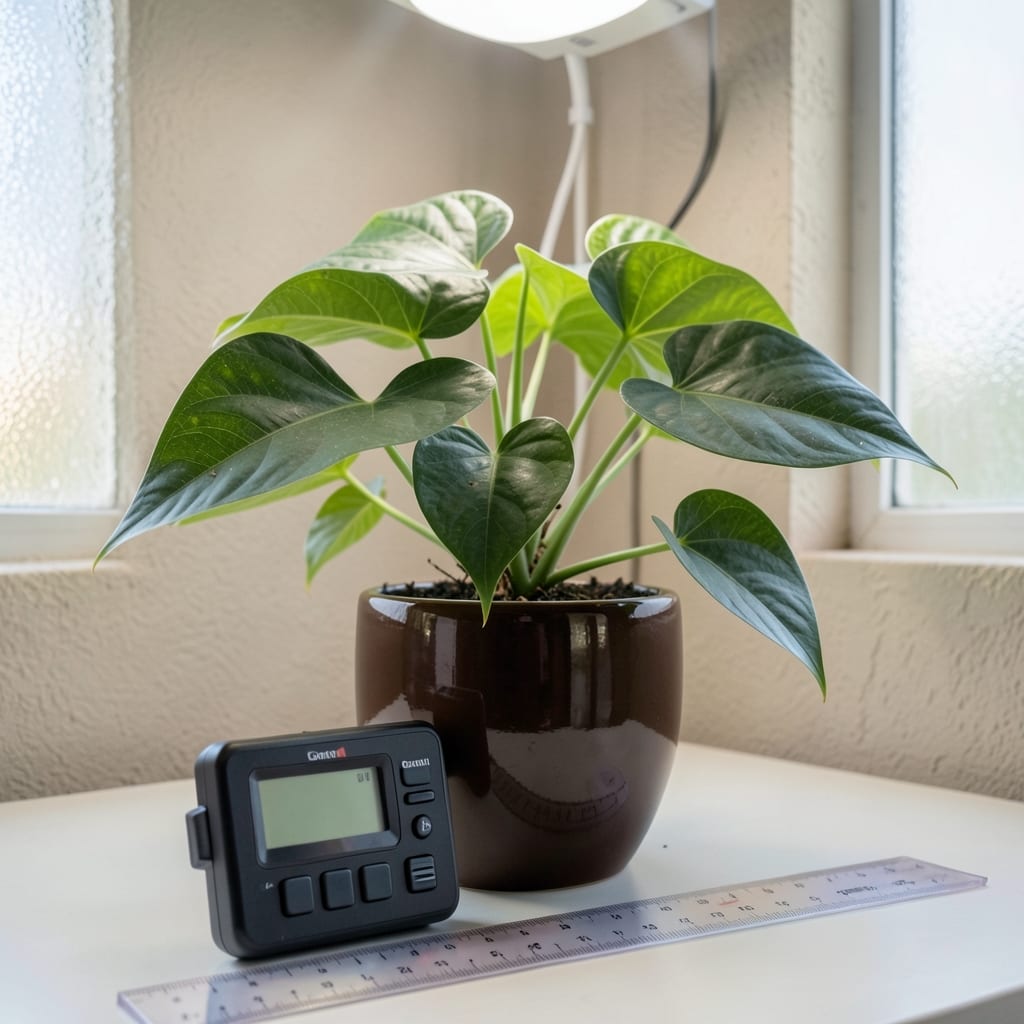
If your Arrowhead Plant 🌿 looks tired with dull leaves or stretched stems, you’re probably missing the mark on how much light this plant needs—because it thrives in bright, indirect sunlight, not harsh direct rays.
Getting the balance right is the key to keeping your plant healthy and vibrant. Too little light and it’ll grow leggy; too much, and those gorgeous leaves will scorch. The good news? With a few simple adjustments, you can create the perfect lighting setup—whether indoors or out.
I’ll show you exactly how much light your Arrowhead Plant needs, plus how to spot when it’s getting just right (or not). By the end, you’ll know whether to move it closer to that east-facing window or pull back the curtains a little.
Let’s turn those sad leaves into lush, happy foliage—without guessing anymore.

Optimal light requirements for arrowhead plants: bright indirect sunlight explained
Arrowhead plants (Syngonium spp.) are masters of adaptability, but they still need bright indirect sunlight to thrive. Unlike sun-loving succulents, they can’t handle harsh rays—think of them as the "Goldilocks" of houseplants: not too dim, not too harsh, but just right.
In nature, these tropical plants grow under the dappled shade of rainforest canopies, where sunlight filters through leaves. Replicating this indoors means placing your plant near an east-facing window or a west-facing window with sheer curtains to diffuse the light.
If you’re wondering how many hours of light an arrowhead plant needs, aim for 4-6 hours of bright, filtered light daily. This mimics their natural environment and prevents the stretched, leggy growth that signals insufficient light.
Here’s how to spot if your plant’s lighting is just right, too little, or too much:
For indoor growers, a south-facing window can work, but only if you place the plant at least 3 feet away to avoid direct rays during peak hours (10 AM–4 PM). If your home lacks natural light, a LED grow light on a timer for 12-14 hours daily can mimic sunlight effectively.
Outdoor growers in USDA Zone 6a can enjoy arrowhead plants in partial shade gardens during summer, but bring them indoors before first frost (October 15) to protect them from cold. Even a covered patio with dappled shade works—just avoid full sun.
Pro tip: Rotate your plant quarter-turns every 2-3 weeks to ensure even growth. Arrowhead plants grow toward the light, so uneven exposure can cause lopsided foliage. A slow rotation keeps them balanced and bushy.
If your arrowhead plant starts showing yellowing leaves or brown tips, it’s often a sign of light stress. Check the placement: too much sun causes crispy edges, while too little leads to weak, pale growth. Adjust gradually—sudden changes can shock the plant.
Remember, arrowhead plants are forgiving but not indestructible. With the right light, they’ll reward you with bold, arrow-shaped leaves and a lush, tropical vibe—no matter where you live.
Optimal light requirements for arrowhead plants: bright indirect sunlight explained
Your Arrowhead Plant (Syngonium) thrives in bright indirect sunlight, which mimics its natural understory habitat. Think of it like a plant that loves morning sun but needs afternoon shade—similar to how ferns grow in dappled light. Without the right balance, you’ll see yellowing leaves or brown tips, both clear signs of stress.
Ideally, place your plant near an east-facing window where it gets 4-6 hours of filtered light daily. This setup avoids the harsh midday sun that can scorch delicate foliage. If your home lacks natural light, don’t worry—we’ll cover artificial lighting solutions later to keep your plant happy.
| Light Condition | Ideal Setup | Signs of Stress |
|---|---|---|
| Bright Indirect | East/west window, 2-3 ft away | Healthy green leaves |
| Low Light | North-facing window or dim room | Leggy growth, pale leaves |
| Direct Sun | South-facing window, no shade | Brown spots, crispy edges |
Notice how bright indirect light keeps leaves vibrant while direct sun causes damage? The key is observing your plant’s leaf color changes. If new growth looks pale or stretched, it’s begging for more light. Conversely, yellowing or crispy edges mean you’ve overdone it—time to move it back.
For indoor setups, rotate your plant quarter-turn weekly to ensure even growth. This prevents one side from leaning toward the light source, which is a common issue with east-facing windows. Outdoor growers should provide afternoon shade during peak summer months to protect tender foliage.
Pro tip: Use a sheer curtain to diffuse harsh light if your only window faces south. This simple trick can save your plant from sunburn while still providing the bright indirect light it craves. Think of it as giving your Arrowhead Plant the perfect tropical vacation—without the travel!
If your plant starts showing signs of underlighting, like elongated stems or small leaves, it’s time to reassess its spot. Sometimes, moving it closer to the window or supplementing with a grow light makes all the difference. We’ll dive deeper into lighting solutions next, so stay tuned!