
Shrubs
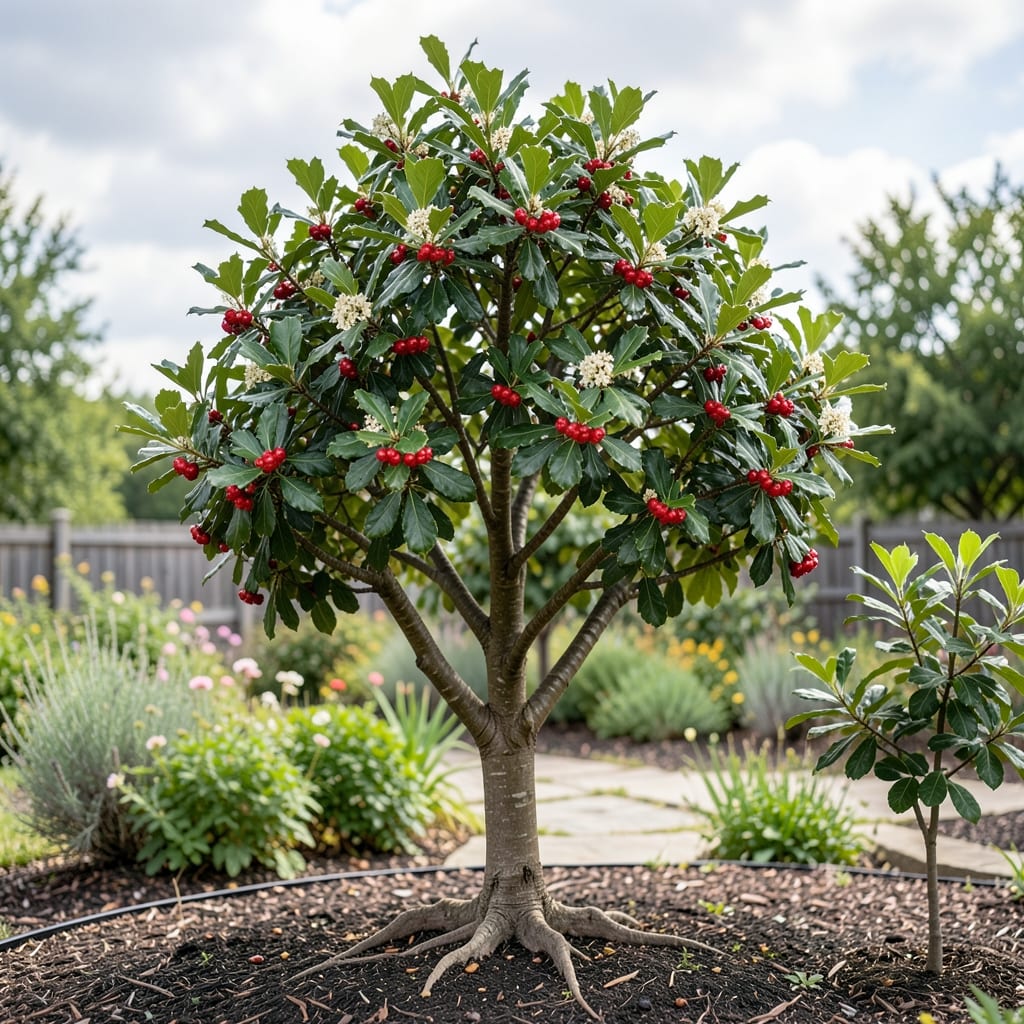
If you're wondering how tall can yaupon grow, the answer might surprise you—this hardy native shrub can stretch from a compact 8-foot hedge to a towering 25-foot small tree, depending on variety and growing conditions. 🌿 With its adaptability, yaupon thrives in diverse climates, making it a favorite for both wildlife-friendly landscapes and low-maintenance gardens.
For gardeners in USDA Zone 6a and beyond, understanding yaupon’s growth potential is key to planning your outdoor space. Whether you're aiming for a privacy screen or a wildlife habitat, knowing how to manage its height through pruning and spacing can make all the difference. The right approach ensures your yaupon grows exactly how you envision it—whether that’s a lush, multi-stemmed shrub or a single-trunk tree.
What sets yaupon apart is its flexibility—it can be shaped into a formal hedge or left to grow naturally into a striking focal point. With the right care, you can control its height while still enjoying its year-round benefits, from vibrant berries to evergreen foliage. Let’s dive into how to harness this shrub’s full potential in your garden.
From fast-growing varieties like 'Will Fleming' to slower, more compact types, each yaupon has its own growth habits. We’ll break down the specifics so you can choose the perfect fit for your space and climate. Ready to transform your yard with this versatile native? Let’s get started.

Yaupon holly height ranges by variety and pruning practices
The yaupon holly (Ilex vomitoria) grows at dramatically different rates depending on its variety and how you manage it. In nature, it can reach 25 feet tall as a small tree, but with strategic pruning, you can keep it as a compact 8-foot hedge. The key is understanding each variety’s growth habits and how pruning affects its structure. 🌱
For gardeners in USDA Zones 6-10, choosing the right variety is the first step to controlling height. Some types grow aggressively, while others stay naturally compact. We’ll explore the most popular varieties and how to shape them for your landscape needs. Whether you want a privacy screen or a wildlife-friendly shrub, yaupon’s flexibility makes it a standout choice.
Here’s how yaupon holly height breaks down by variety and pruning approach:
If you’re planting yaupon for a privacy screen, varieties like 'Will Fleming' are ideal—they grow quickly and can be pruned to maintain a dense, uniform height. For small gardens, 'Nana' or 'Compacta' stay manageable while still offering year-round interest. 🪴
Pruning plays a critical role in shaping yaupon’s height. For example, if you want a 6-foot hedge, regular trimming in late winter or early spring keeps it compact and encourages bushier growth. On the other hand, leaving it unpruned allows it to grow into a small tree with a single trunk, which is perfect for a naturalistic look.
One common mistake is pruning too late in the season, which can stimulate tender new growth that may not survive winter. Always prune 3–4 weeks before your last frost date to avoid this issue. Use sharp, clean pruners to make cuts just above a leaf node for the best results.
For wildlife enthusiasts, taller varieties like 'Will Fleming' provide excellent cover for birds and small mammals, while compact types create safe nesting spots closer to the ground. The berries, which ripen in late fall and winter, are a vital food source for wildlife—so consider leaving some unpruned branches if you’re creating a habitat garden. ✂️
If you’re unsure which variety to choose, start with 'Will Fleming' for versatility—it adapts well to pruning and thrives in most soil types. For a low-maintenance option, 'Schilling' is a great middle-ground choice that stays smaller but still offers impressive height control. 🌿
Climate Zone impact: how temperature and soil affect yaupon growth height
Your climate zone plays a huge role in determining how tall your yaupon holly will grow. In warmer zones like 8–10, yaupon can reach its full 25-foot potential as a small tree, while in cooler Zone 6a, it may stay shorter unless given ideal growing conditions. Temperature, rainfall, and soil type all influence its growth rate and ultimate height. 🌡️
In the Gulf Coast region (Zones 8–10), yaupon thrives naturally, often growing taller and faster due to longer growing seasons and abundant sunlight. Meanwhile, in cooler northern climates (Zones 6–7), you’ll need to choose hardier varieties or provide extra care to encourage robust growth. Understanding these regional differences helps you set realistic height expectations for your yaupon.
Here’s how climate and soil impact yaupon’s height and growth habits:
If you’re gardening in Zone 6a, focus on varieties like 'Schilling' or 'Compacta,' which handle cooler temperatures better. These types grow more slowly but still reach 10–15 feet with proper care. In warmer zones, taller varieties like 'Will Fleming' can soar to 20+ feet without pruning, making them perfect for privacy screens or natural focal points. ☀️
Soil type also affects height—yaupon prefers well-draining, slightly acidic soil (pH 5.0–6.5). In clay-heavy soils, growth may slow, while sandy soils encourage faster, taller growth. Amending your soil with compost can improve drainage and nutrient availability, helping your yaupon reach its full potential height. 🌱
For gardeners in drier climates, yaupon’s drought tolerance is a major advantage—once established, it needs very little water, which helps it grow taller and healthier. However, in wet or poorly drained areas, root rot can stunt growth, so always plant in raised beds or slopes if your soil holds too much moisture. 💧
To maximize height in cooler zones, plant yaupon in full sun locations with protection from harsh winter winds. Mulching around the base in late fall helps insulate roots, encouraging stronger growth in spring. With the right conditions, even northern gardeners can grow yaupon that rivals the heights seen in warmer climates. 🌿