
How To
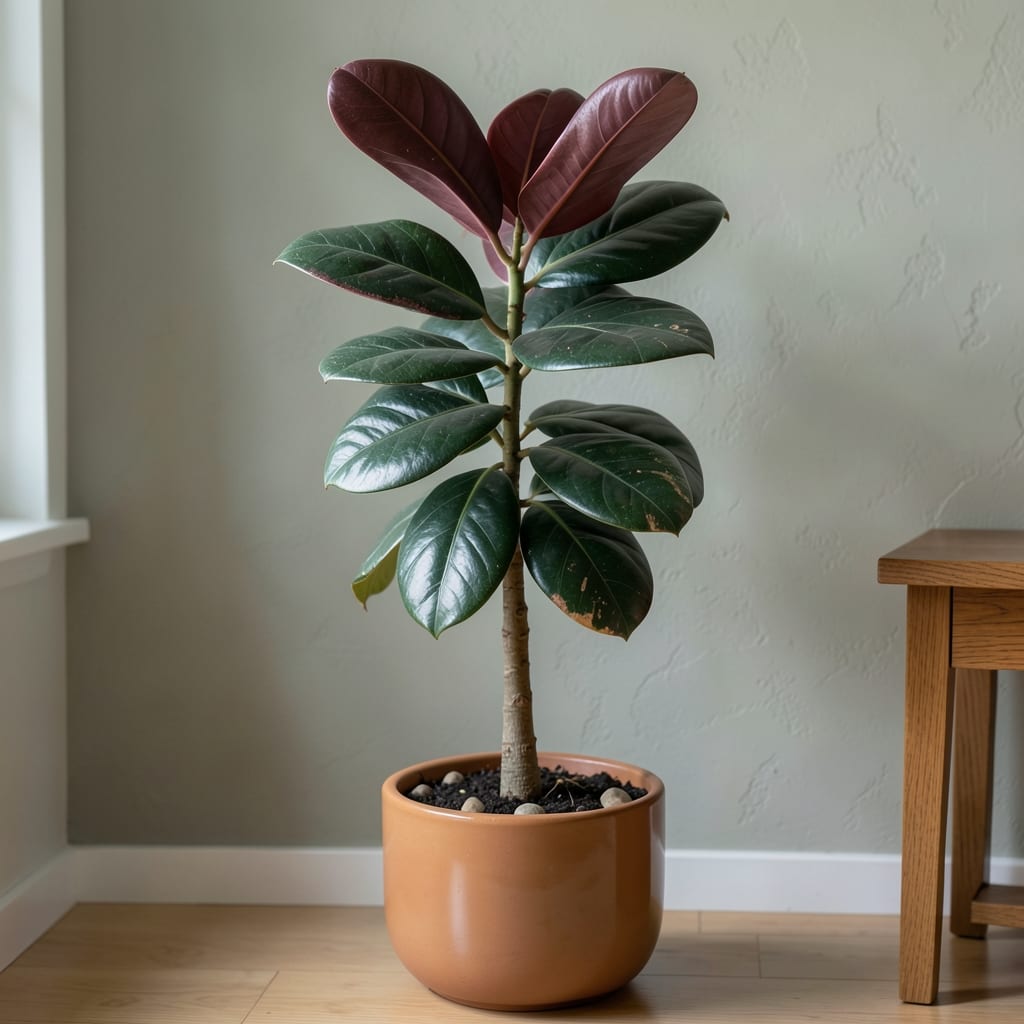
Figuring out how much light for rubber plant success can feel like solving a puzzle—too little and your 🌿 wilts, too much and it crisps at the edges. The good news? Rubber plants are forgiving, but they do need the right balance to grow those signature bold, glossy leaves you love.
Most people assume these tropical plants thrive in any old corner, but the truth is, they crave bright indirect light—think of it like a perfect coffee order: not too weak, not too strong. I’ve learned the hard way that even a few hours of direct sun can scorch those gorgeous leaves, while dim lighting slows growth to a crawl.
In this guide, I’ll break down exactly how many hours of light your rubber plant needs—whether you’re dealing with a sun-drenched south window or a cozy north-facing nook. You’ll also discover how to spot signs of light stress (like yellowing or drooping) and fix them fast.
Ready to give your plant the ideal light setup? Let’s turn those brown spots into vibrant green and keep your rubber plant thriving for years.

Optimal light hours for rubber plant growth by stage
Your rubber plant’s light needs change dramatically depending on its growth stage and whether it’s indoors or outdoors. As a rule, bright indirect light (4-6 hours daily) is ideal, but seedlings and variegated varieties need extra care to avoid stress.
Seedlings, in particular, are sensitive and require gentle filtered light—think dappled shade under a sheer curtain. Mature plants, on the other hand, can handle more light but still prefer indirect exposure to prevent leaf burn.
Outdoor rubber plants (like those in USDA Zone 6+) can tolerate morning sun but should be shielded from harsh afternoon rays. Even tropical natives like these can’t handle prolonged direct sunlight.
Variegated rubber plants, with their striking white or pink stripes, need even more light—up to 6 hours daily—to maintain their color contrast. Without enough light, those variegated patterns fade to plain green.
| Plant Stage | Light Type | Daily Hours | Indoor Placement | Outdoor Notes |
|---|---|---|---|---|
| Seedlings | Bright Indirect | 2-4 hours | East window, sheer curtain | Dappled shade only |
| Mature Plants | Bright Indirect | 4-6 hours | 2-3 ft from north/east window | Morning sun, afternoon shade |
| Variegated Varieties | Bright to Medium | 6 hours | South window with filter | Full shade in summer |
Seasonal adjustments are key. During winter months, when natural light dims, supplement with a grow light for 4-6 hours daily. I’ve found that even my north-facing windows can get too dark in December—my plants start stretching toward the light if I don’t intervene.
For indoor plants, rotate them quarter-turns weekly to ensure even growth. Uneven light exposure causes lopsided growth, where leaves lean toward the brightest side—a common mistake I see with rubber plants.
Outdoor rubber plants in containers need extra monitoring. Move them to shaded areas during peak sun (11 AM–3 PM) to avoid leaf scorch. I’ve lost count of how many times I’ve rushed to move a pot back into shade after noticing crispy edges!
Pro tip: If your rubber plant develops long, leggy stems, it’s begging for more light. This etiolation (stretching) happens when plants reach for sunlight. The fix? Move it closer to a brighter window or add a grow light.
Remember, rubber plants are tropical natives—they thrive in the understory of forests, where light is bright but filtered. Mimic those conditions, and you’ll reward yourself with glossy, vibrant leaves all year round. 🌿
Signs your rubber plant isn’t getting the right light
Your rubber plant’s leaves tell a story—sometimes in yellow, other times in brown. When light levels are off, your plant sends clear signals, like drooping leaves or stunted growth. I’ve seen rubber plants go from lush and vibrant to sad and leggy in just weeks when their light needs weren’t met. The key is learning to read these visual cues before they become irreversible damage.
Start by checking the color of new growth. If your plant is struggling with low light, you’ll notice pale, almost white leaves reaching toward the nearest window—this is called etiolation. On the flip side, too much direct sun causes crispy, brown edges or even bleached patches. These signs aren’t just cosmetic; they directly impact your plant’s health and growth rate.
Another red flag? Slow growth or small leaves. If your rubber plant has been in the same spot for months but isn’t gaining height or producing new foliage, it’s likely starving for light. Even mature plants can revert to a juvenile state when deprived, leaving you with a shrub that looks more like a sad sapling than the bold statement plant you envisioned.
| Symptom | Likely Cause | Solution |
|---|---|---|
| Pale, yellow leaves | Low light exposure | Move to brighter spot (east/west window) |
| Brown, crispy edges | Too much direct sun | Filter light with sheer curtain |
| Drooping leaves | Underwatering + low light | Water deeply + rotate for even light |
| Leggy, sparse growth | Chronic low light | Prune leggy stems + supplement with grow light |
Don’t overlook the position of new leaves. Healthy rubber plants grow leaves that point upward and outward. If yours are growing only on one side—stretching toward a window—it’s begging for more even light exposure. A simple trick? Rotate your plant quarter-turns every 2-4 weeks to ensure all sides get equal access to light.
Even variegated rubber plants (with white or pink stripes) need extra care. Their lighter-colored leaves are more sensitive to light fluctuations, often showing burn marks faster than solid green varieties. If you notice these patterns fading or turning yellow, it’s a sign the plant is struggling to balance its light needs with its unique leaf structure.
Remember, rubber plants are resilient, but they won’t recover overnight. If you catch these signs early, you can often reverse the damage by adjusting light conditions and providing proper care. The goal is to find that sweet spot of bright indirect light where your plant thrives without stress—because once you get it right, you’ll see those gorgeous glossy leaves return in no time.