
Light Requirements
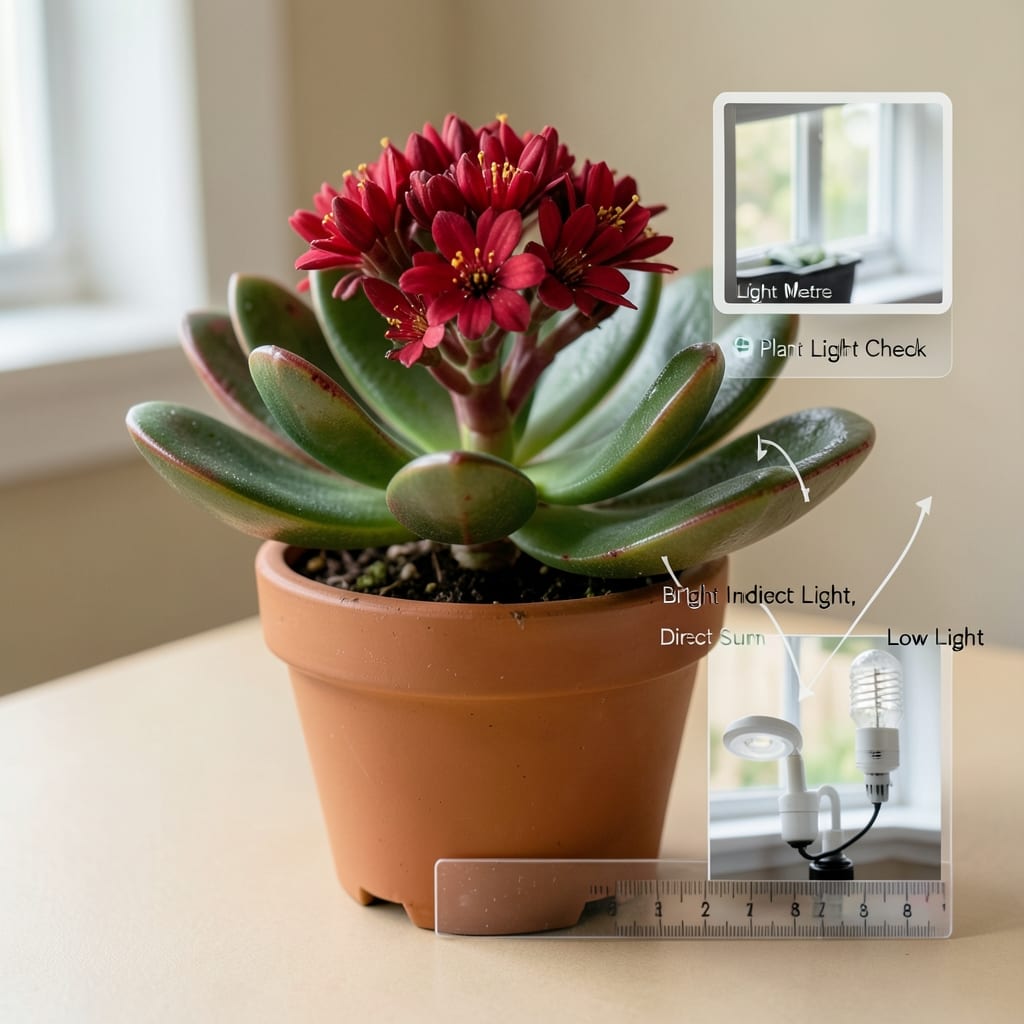
If your Kalanchoe 🌸 plant is looking sad—droopy leaves, sparse blooms, or pale stems—it’s probably not getting how much light a kalanchoe plant needs to thrive. This hardy succulent thrives when you strike the perfect balance between bright indirect light and just enough direct sun to keep it happy.
Too little light, and your Kalanchoe will stretch toward the nearest window like it’s desperate for a hug, while too much direct sun can scorch its leaves. The key is understanding how to mimic its natural habitat, whether you’re placing it near an east-facing window or supplementing with artificial lighting. I’ll show you exactly how to set it up for success.
From recognizing the signs of light stress to adjusting your plant’s position based on the season, you’ll learn how to keep your Kalanchoe blooming beautifully year-round. Whether you’re a beginner or a seasoned plant parent, these tips will transform your struggling succulent into a thriving showstopper.
Ready to give your Kalanchoe the light it craves? Let’s dive into the simple strategies that make all the difference for this low-maintenance but light-loving plant.

Ideal light conditions for kalanchoe blooms: bright indirect sun explained
Kalanchoes are stunning succulents that reward you with vibrant blooms when given the right amount of light exposure. Unlike sun-loving cacti, these plants prefer bright indirect light—think of it as morning sun with afternoon shade. Too little light causes leggy growth, while too much can scorch their delicate leaves. Let’s break down the perfect light conditions to keep your kalanchoe thriving year-round.
In nature, kalanchoes grow in tropical and subtropical regions where they receive dappled sunlight filtering through trees. Mimic this environment indoors by placing your plant near an east-facing window or west-facing window. These spots provide gentle morning or late-afternoon sun without the harsh midday rays that can damage leaves. If you notice brown patches or yellowing edges, it’s a sign your kalanchoe is getting too much direct sun.
For optimal blooming, kalanchoes need about 4-6 hours of bright indirect light daily. If your home lacks natural light, don’t worry—we’ll cover artificial lighting solutions later. Right now, focus on positioning your plant where it gets consistent light exposure without overheating. A spot 2-3 feet from a window is ideal, but avoid placing it directly on a sunny windowsill where temperatures can spike.
Seasonal adjustments are key! During summer months, when the sun is strongest, move your kalanchoe slightly farther from the window or use a light sheer curtain to diffuse harsh rays. In winter, when daylight is shorter, supplement with a grow light if you notice the plant stretching toward the light—a classic sign of light deprivation. This stretching weakens the stems and reduces blooming potential.
🌸 Pro Tip: Rotate your kalanchoe quarter-turn weekly to ensure even light exposure on all sides. This prevents one-sided growth and keeps the plant compact and symmetrical.
| Light Requirement | Specification |
|---|---|
| Daily Light Needs | 4-6 hours of bright indirect light |
| Best Window Placement | East or west-facing windows (avoid south-facing) |
| Direct Sun Tolerance | Morning sun only; afternoon sun can scorch |
| Seasonal Adjustments | Summer: Filter light; Winter: Supplement with grow lights |
| Signs of Perfect Light | Deep green leaves and frequent blooms |
If you’re unsure whether your space meets these light requirements, observe your kalanchoe for 3-4 weeks. Healthy growth includes thick, upright stems and rich green leaves. If the leaves start turning pale or yellow, it’s time to move the plant to a brighter spot. Conversely, if you see red or brown patches, it’s getting too much direct sun and needs to be relocated to a shadier area.
Outdoor kalanchoes can also thrive in partial shade gardens, especially in hot climates where afternoon sun is intense. Pair them with taller plants to provide natural shade or place them under dappled tree canopies. Just ensure they still get at least 4 hours of indirect light daily to encourage blooming. In colder climates, bring potted kalanchoes indoors before the first frost to maintain their light routine.
Light directly impacts flowering cycles. Kalanchoes often bloom in response to day-length changes, typically producing flowers in late winter or early spring when days are shorter. To trigger blooming, some growers use a technique called "short-day treatment", where the plant receives less than 12 hours of light per day for 6-8 weeks. This mimics natural winter conditions and can coax your kalanchoe into flowering even indoors. For most home gardeners, though, consistent bright indirect light is all you need to enjoy seasonal blooms.
🌿 Remember: Kalanchoes are succulents, so they store water in their leaves. This means they can tolerate slightly lower light conditions than other houseplants, but don’t push it. If you notice the plant becoming leggy or sparse, it’s a clear signal to increase light exposure. With the right balance, your kalanchoe will reward you with colorful blooms and lush foliage for years to come.
Signs your kalanchoe isn’t getting enough (or too much) light
Your kalanchoe 🌸 might look perfect on the outside, but subtle changes in its leaves and stems often reveal whether it’s getting the right amount of light. One of the most common signs of light deprivation is leggy growth, where stems stretch unnaturally tall and thin as the plant reaches for more light. This weakens the structure and reduces blooming potential. If you notice your kalanchoe developing long, bare stems with sparse foliage, it’s a clear cry for more brightness.
Another red flag is pale or yellowing leaves, which indicate the plant isn’t receiving enough light intensity to produce chlorophyll. Healthy kalanchoe leaves should be a vibrant, deep green. If yours are turning lighter in color or developing soft, mushy spots, move the plant closer to a sunny window or supplement with a grow light. This is especially common in north-facing rooms or during winter months when daylight is limited.
On the flip side, too much direct sunlight causes leaf scorch, visible as brown or crispy edges on the foliage. Unlike sunburn on human skin, this damage is permanent and can’t be reversed. If your kalanchoe’s leaves develop reddish-brown patches or feel dry and papery, it’s getting harsh midday or afternoon sun. Move the plant to a spot with filtered light or use a sheer curtain to diffuse the intensity. South-facing windows are particularly risky during summer.
🌿 Quick Fix: If your kalanchoe shows signs of light stress, act immediately. For leggy growth, prune the stretched stems just above a leaf node to encourage bushier growth. For sunburned leaves, trim the damaged areas with clean scissors and move the plant to a shadier location. Both adjustments give your plant time to recover and adjust to better conditions.
Seasonal changes can also trick you into misjudging light needs. In spring and fall, when sunlight is gentler, kalanchoes thrive near windows. But during summer’s peak intensity, even east or west windows can deliver too much direct light. Pay attention to how the light feels on your skin—if it’s too hot to touch near the plant, it’s likely scalding your kalanchoe’s leaves. A simple tissue test works: Hold a piece of tissue near the plant for an hour. If it turns brown, the light is too harsh.
Even the direction your plant faces matters. Kalanchoes placed on west-facing windowsills may get too much afternoon sun, while those on east-facing shelves receive perfect morning light. Rotate your plant quarter-turn weekly to ensure even exposure, and watch for asymmetrical growth—a sure sign one side is getting more light than the other. With these visual cues in mind, you’ll quickly spot when your kalanchoe needs a light adjustment and keep it thriving.