
Succulent
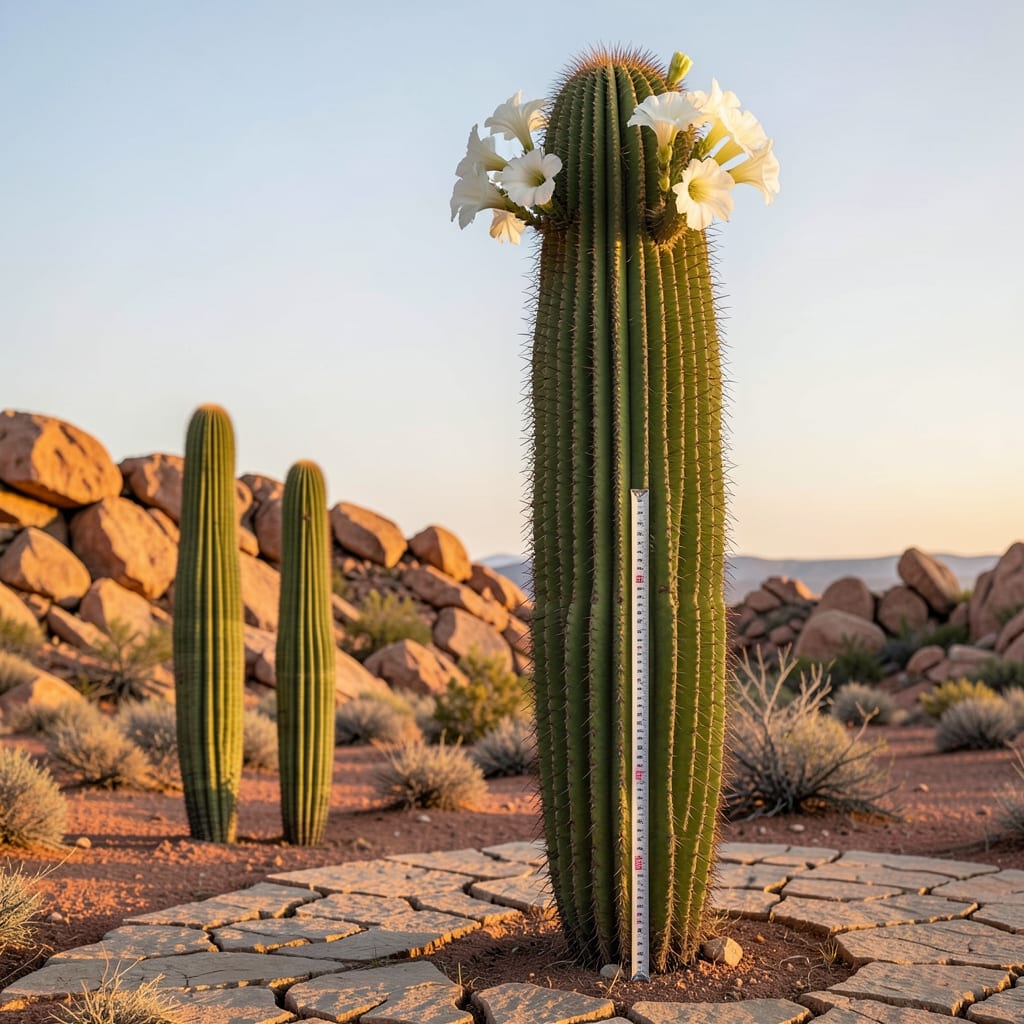
If you’ve ever wondered how tall that little 🌵 cactus can grow on your windowsill, you’re about to find out—because the answer might shock you. Some species stay tiny enough to fit on a keychain, while others stretch taller than a three-story building. The height of your cactus isn’t just luck; it’s all about the species, where you live, and how you care for it.
Picture this: a 1-inch cactus that barely fits in your palm next to a 60-foot giant that dominates a desert landscape. That’s the wild range of cactus growth, and understanding it can help you choose the perfect plant for your space—whether you want a desktop decorator or a backyard statement piece. We’ll break down the science behind their growth and how you can control it at home.
Maybe you’re dreaming of a cactus that grows with your kids or one that stays small and manageable on your shelf. Or perhaps you’re curious about the towering species that turn deserts into skyscrapers. Either way, knowing what influences their height is the key to getting the perfect size for your needs—and avoiding a cactus that outgrows your living room in just a few years.
From the tiniest desert jewels to the giants that seem to scrape the sky, we’ll explore how sunlight, soil, and even your watering habits play a role. Ready to discover how to nurture your cactus to the exact height you want? Let’s dive in.

Tallest cactus species: from 1-Inch dwarfs to 60-Foot giants
The world of cacti is a fascinating study in extremes. Some species remain tiny forever, while others grow into towering giants that dwarf even the tallest trees. The smallest cactus, Blossfeldia liliputiana, measures just 1 inch wide—small enough to fit on your fingernail—while the tallest cactus, Pachycereus pringlei, can reach heights of 60 feet or more in its native desert habitats. These extremes highlight how genetics and environment shape a cactus’s destiny from the moment it sprouts.
Most gardeners focus on smaller cacti like Mammillaria or Echeveria, which thrive in containers or rock gardens. But the giant columnar cacti—such as Carnegiea gigantea (Saguaro)—are the real showstoppers, capable of living for centuries while growing taller each year. Even in home gardens, some species can reach 10 feet or more with proper care, making them architectural stars.
Understanding these height variations helps you choose the right cactus for your space. Whether you dream of a miniature cactus collection or a towering desert landscape, knowing the growth potential of each species is key. Let’s explore the tallest and shortest cacti and what makes them unique.
| Species | Height Range | Natural Habitat | Growth Rate |
|---|---|---|---|
| Blossfeldia liliputiana | 1 inch (2.5 cm) wide | Argentina | Extremely slow |
| Mammillaria heyderi | 2–4 inches (5–10 cm) | Mexico | Slow |
| Echinocactus grusonii (Golden Barrel) | 1–2 feet (30–60 cm) | Mexico | Moderate |
| Carnegiea gigantea (Saguaro) | Up to 40–60 feet (12–18 m) | Sonoran Desert | Very slow (1 inch/year) |
| Pachycereus pringlei (Senita) | Up to 60+ feet (18+ m) | Mexico/USA border | Slow to moderate |
The Saguaro cactus (Carnegiea gigantea) is an iconic symbol of the American Southwest, often reaching heights of 40–60 feet over its 150–200-year lifespan. These giants grow just 1 inch per year but can live long enough to witness multiple generations. In contrast, dwarf cacti like Blossfeldia liliputiana grow so slowly that they may take decades to reach maturity, making them perfect for patience-testing collectors.
For home gardeners, smaller species like Echinocactus grusonii (Golden Barrel) are ideal for containers or sunny windowsills, while columnar cacti such as Cereus peruvianus can grow 10–15 feet tall in ideal conditions. If you’re limited on space, pruning or grafting can help manage height, though it’s not always necessary for dwarf varieties.
One surprising fact: some epiphytic cacti, like Rhipsalis, grow on trees in their native rainforests but can also thrive as hanging plants in homes. Their vining habit makes them unique among cacti, proving that height isn’t the only measure of grandeur. Whether you’re drawn to tiny treasures or desert skyscrapers, cacti offer a world of possibilities for every garden size.
Next, we’ll dive into what controls a cactus’s height, from sunlight exposure to soil type, so you can give your plants the perfect conditions to thrive—or stay small, depending on your preference!
What determines a cactus’s height? Species, Climate, and care factors
A cactus’s height isn’t just about luck—it’s a mix of genetics, environment, and care. The species you choose sets the baseline: a Blossfeldia will never grow taller than your thumb, while a Pachycereus could one day reach your roof. But even within a species, sunlight exposure, soil quality, and watering habits can push a cactus toward its maximum potential—or keep it compact. For example, a Saguaro in the Sonoran Desert grows tall and sturdy, while the same plant in a shady corner might stay stunted and weak.
Let’s break down the key factors that control how tall your cactus grows. Understanding these will help you create the perfect conditions—whether you want a miniature masterpiece or a towering centerpiece. The right balance of these elements can make all the difference in your cactus’s growth trajectory.
🌵
- 🌱 Genetics (Species Type): The most critical factor. Columnar cacti like Cereus are wired to grow tall, while globular cacti like Ferocactus stay low and wide. Even within a species, hybrids or cultivated varieties may grow differently.
- ☀️ Sunlight Exposure: Cacti need 6+ hours of direct sun daily to grow vertically. Too little light leads to etoliation (stretched, weak growth), while too much can scorch tender new growth. South-facing windows or outdoor desert conditions are ideal.
- 💧 Watering Habits: Overwatering causes root rot and stunted growth, while underwatering slows development. Most cacti thrive on bi-weekly to monthly watering, but epiphytic cacti like Rhipsalis need more frequent misting.
- 🪴 Container Size: Potted cacti grow taller when roots are root-bound. Upgrade pots every 2–3 years to encourage vertical growth. For dwarf species, smaller pots keep them compact.
- 🌡️ Temperature and Climate: Cacti in hot, arid climates grow faster and taller than those in cooler regions. Some species, like Opuntia, thrive in USDA Zones 3–10, while tropical cacti need warmth year-round.
- 🌿 Soil Type and Drainage: Well-draining cactus mix (60% mineral grit, 40% soil) prevents rot and encourages strong root systems. Poor drainage leads to stunted, weak growth.
- ✂️ Pruning and Grafting: Prune leggy growth to encourage bushier, shorter cacti. Grafting dwarf species onto taller rootstocks can create custom-sized plants for containers.
For example, if you’re growing a Cereus peruvianus in a 10-gallon pot with full sun exposure and minimal watering, you’ll likely see it reach 10–15 feet tall over 10 years. But the same plant in a small container with low light might stay under 3 feet. The difference? Care adjustments that align with the plant’s natural growth habits.
Another pro tip: Fertilizer type and frequency matter. Low-nitrogen fertilizers (like 5-10-10) promote compact, sturdy growth, while high-nitrogen blends can lead to weak, leggy cacti. Apply fertilizer once in early spring and again in mid-summer for balanced growth.
Finally, remember that patience is key. Even fast-growing cacti like Echinocactus grusonii take years to reach maturity. By tweaking these factors, you’ll steer your cactus toward its ideal height—whether that’s a windowsill showstopper or a backyard giant. Next, we’ll cover practical ways to control growth at home, so you can shape your cactus’s future.