
Size
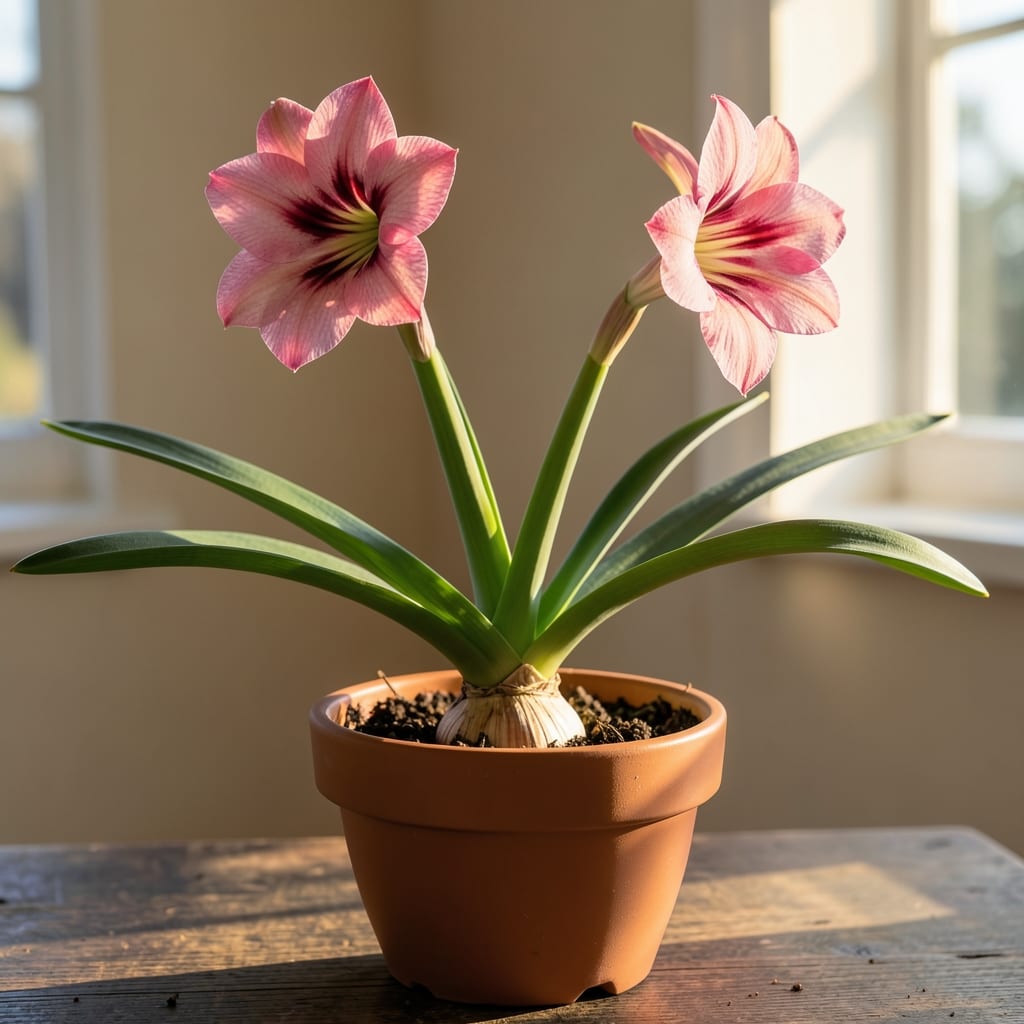
If you’ve ever wondered just how tall amaryllis do they grow—whether their towering blooms will reach your ceiling or stay at a manageable height—you’re not alone. These striking plants can surprise you with their dramatic vertical growth, especially when given the right conditions. While some varieties stretch gracefully toward the sky, others remain more compact, making them perfect for smaller spaces.
The key to understanding your amaryllis’s potential height lies in its variety and care. For example, popular Hippeastrum types often produce flower stalks between 18 to 24 inches, with leaves reaching 2 to 3 feet when mature. But don’t let those numbers fool you—environmental factors like light, soil, and even pot size can push them taller or keep them shorter than expected.
What many gardeners overlook is how simple adjustments—like pruning, repotting, or tweaking watering habits—can influence your plant’s growth trajectory. Whether you’re aiming for a showstopping centerpiece or a more contained indoor plant, knowing these tricks will help you steer your amaryllis in the right direction. Let’s break down exactly what to expect and how to shape your plant’s future.
From dwarf varieties that stay under 1 foot to towering giants that demand ceiling clearance, the possibilities are as varied as they are stunning. The secret to maximizing—or controlling—your amaryllis’s height starts with the right knowledge. Ready to discover how to make the most of your plant’s skyward potential?


Amaryllis height by cultivar: from compact to towering giants
Amaryllis plants—specifically the Hippeastrum genus—come in a stunning array of heights, with flower stalks ranging from 12 to 36 inches and leaves stretching 1 to 3 feet long. The variety you choose determines whether your amaryllis becomes a tabletop gem or a dramatic indoor focal point. Some dwarf types barely clear a standard desk, while towering varieties rival small shrubs in height.
Most gardeners focus on flower stalk height when selecting amaryllis, but leaf length also plays a role in the plant’s overall presence. For example, Hippeastrum 'Papillon' produces 18-inch stalks with 2-foot leaves, while Hippeastrum 'Apollo' can shoot 30-inch stalks topped with 6-inch blooms. Even the bulb size influences height—larger bulbs (6+ inches in diameter) typically yield taller stems.
Here’s the catch: height isn’t static. A single plant’s stalk can grow 1-2 inches per day during its active phase, so what starts as a 6-inch sprout can become a 2-foot tower in weeks. Meanwhile, leaves grow more gradually, often taking 4-6 weeks to reach full length after the stalk emerges. This rapid growth is why amaryllis are such satisfying indoor plants—you get to watch them transform before your eyes.
🌸
| Variety | Flower Stalk Height | Leaf Length | Notes |
|---|---|---|---|
| Hippeastrum 'Apollo' | 24–36 inches | 24–36 inches | Tallest variety; dramatic blooms |
| Hippeastrum 'Papillon' | 18–24 inches | 20–24 inches | Classic height; great for centerpieces |
| Hippeastrum 'Minerva' | 12–18 inches | 18–24 inches | Semi-dwarf; ideal for small spaces |
| Hippeastrum 'Red Lion' | 20–28 inches | 24–30 inches | Bold red blooms; sturdy stalks |
| Amaryllis belladonna (true amaryllis) | 12–18 inches | 12–18 inches | Outdoor variety; smaller stature |
The true amaryllis (Amaryllis belladonna) is often confused with Hippeastrum but stays significantly shorter, making it perfect for outdoor gardens in USDA Zones 7-11. Meanwhile, Hippeastrum varieties dominate indoor spaces, with some hybrid cultivars even exceeding 3 feet when given ideal conditions. If you’re working with limited ceiling height, opt for 'Minerva' or 'Parrot'—both stay under 2 feet while still delivering showstopping blooms.
Pro tip: Bulb size matters. A 6-inch bulb typically produces a 24-inch stalk, while a 4-inch bulb might only reach 18 inches. If you’re aiming for maximum height, invest in larger bulbs and provide bright, indirect light to encourage elongation. For compact growth, choose smaller bulbs or limit sunlight slightly—though this may reduce bloom size.
One common misconception is that all amaryllis grow equally tall. In reality, genetics dictate 60-70% of height, while care practices influence the remaining 30-40%. This means even the tallest varieties can be coaxed into shorter forms with the right techniques—or conversely, stunted varieties can sometimes be pushed taller with optimal conditions. The key is understanding your plant’s growth potential and working with it, not against it.
🌿
For indoor gardeners, height becomes a practical consideration. A 3-foot stalk can become a balancing act near ceilings or light fixtures, while a 12-inch variety fits neatly on a bookshelf or desk. If you’re gifting amaryllis, check the recipient’s space first—some varieties simply won’t thrive in low-ceiling rooms. And remember: leaves grow after blooming, so a plant with a 2-foot stalk might eventually have 3-foot leaves, doubling its footprint.
🪴
Amaryllis height by cultivar: from compact to towering giants
Amaryllis plants—specifically the Hippeastrum genus—vary dramatically in height depending on the cultivar. While most home gardeners picture the classic 2-foot-tall flower stalks topped with clusters of bold blooms, some varieties stay as short as 12 inches, while others can reach 3 feet or taller in ideal conditions. The key difference often lies in the bulb size and genetic traits of each variety.
For example, the Hippeastrum 'Apollo' typically produces 24-inch flower stalks with leaves reaching 20-24 inches, making it a mid-sized showstopper. Meanwhile, Hippeastrum 'Minerva' stays more compact, with flower stalks around 18 inches and foliage under 18 inches. These differences matter if you're choosing an amaryllis for a tabletop display versus a floor-standing statement piece.
| Cultivar | Flower Stalk Height | Leaf Length | Best For |
|---|---|---|---|
| Hippeastrum 'Apollo' | 24 inches | 20-24 inches | Centerpieces, large pots |
| Hippeastrum 'Papillon' | 20-24 inches | 18-22 inches | Indoor displays, windowsills |
| Hippeastrum 'Minerva' | 18 inches | 16-18 inches | Small spaces, desks |
| Hippeastrum 'Estella' | 22-26 inches | 22-26 inches | Tall arrangements, corners |
| Amaryllis belladonna | 12-18 inches | 12-16 inches | Dwarf collections, terrariums |
Even within the same cultivar, bulb size plays a crucial role. Larger bulbs (typically 8 inches or wider) produce taller flower stalks and more robust foliage, while smaller bulbs (6 inches or less) may stay shorter. If you're buying amaryllis bulbs, check the circumference—a 10-inch bulb often yields stalks reaching 28 inches or more, whereas a 6-inch bulb might only hit 16 inches.
Don’t overlook the foliage height, too. While flower stalks get most of the attention, the leaves can add another 12-24 inches to your plant’s overall footprint. Varieties like Hippeastrum 'Red Lion' develop broad, strappy leaves that spread out, while others like Hippeastrum 'Black Pearl' have narrower foliage that grows more upright. This matters if you're placing your amaryllis in a small apartment or a sunroom with limited space.
Pro tip: If you're growing amaryllis for indoor arrangements, opt for dwarf varieties or prune taller stalks to encourage bushier growth. For outdoor gardens in warm climates, taller varieties like 'Estella' can thrive in USDA Zone 8-10, where they may even naturalize and return year after year with increasing height.
Remember, these are general guidelines—your amaryllis’s height can still vary based on light conditions, fertilizer use, and watering habits. With the right care, even a 12-inch dwarf can surprise you with a 20-inch stalk under ideal conditions! 🌸