
Size
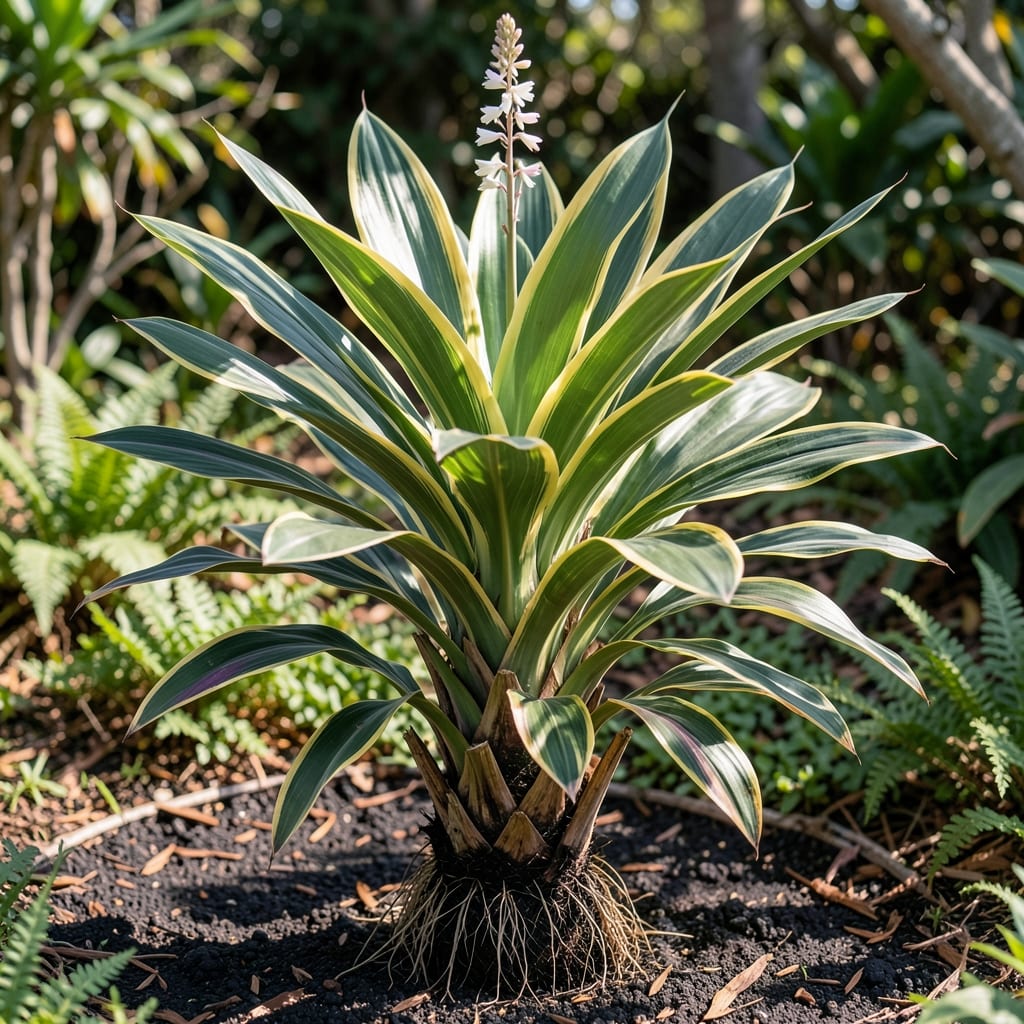
If you're curious about cordyline how tall they grow, you’re in for a surprise—these tropical beauties can range from 3-foot tabletop plants to towering 20-foot giants in ideal conditions. The variety you choose and where you grow it makes all the difference, whether you're dreaming of a dramatic backyard statement or a compact patio centerpiece.
Some Cordyline species, like the Cordyline fruticosa, can reach heights of 10-15 feet outdoors in warmer climates, while others, such as Cordyline australis, stay more manageable at 6-10 feet. Even indoors, with the right care, you can coax them to 5-6 feet—though their growth rate depends heavily on sunlight, soil quality, and how often you fertilize.
What’s fascinating is how quickly they grow once established. In just 2-3 years, a Cordyline can shoot up from a 2-foot sapling to a 6-foot shrub, making them a rewarding (if space-conscious) addition to any garden. But if you’re working with limited room, don’t worry—pruning and container training can keep them in check without sacrificing their stunning foliage.
Whether you’re planning your next garden layout or choosing a plant for a cozy corner, knowing these height ranges helps you pick the perfect Cordyline for your space. Let’s break down the specifics so you can make the best choice for your home or yard.


Cordyline height by variety: compact to towering giants
Cordyline plants, often called dracaena or good luck plants, are prized for their striking foliage and adaptability. Their mature height can range from 3 feet to over 20 feet, depending on the variety and growing conditions. Understanding these differences helps you choose the perfect Cordyline for your space—whether it’s a small apartment or a large garden. Let’s explore the most popular varieties and their growth potential.
For indoor growers, dwarf varieties like Cordyline ‘Baby Doll’ or ‘Tiny Tower’ stay between 3 to 5 feet, making them ideal for tables or shelves. These compact plants thrive in containers and add a tropical touch without overwhelming your space. Meanwhile, outdoor varieties like Cordyline fruticosa can reach 10 to 20 feet in tropical climates, creating a dramatic focal point in landscapes.
🌿
| Variety | Mature Height (Outdoor) | Mature Height (Indoor) | Growth Rate | Notes |
|---|---|---|---|---|
| Cordyline fruticosa ‘Red Sister’ | 12–18 ft | 5–8 ft | Moderate | Bold red foliage; thrives in warm climates |
| Cordyline australis | 10–15 ft | 4–6 ft | Slow to moderate | Cold-hardy; great for coastal gardens |
| Cordyline stricta ‘Ruby Lips’ | 6–10 ft | 3–5 ft | Moderate | Striking purple-red leaves; loves humidity |
| Cordyline ‘Torbay Dazzler’ | 15–20 ft | 6–10 ft | Fast | Vibrant variegated foliage; needs space |
| Cordyline ‘Baby Doll’ | 3–5 ft | 2–4 ft | Slow | Perfect for containers; low-maintenance |
Your climate zone plays a huge role in determining how tall your Cordyline will grow. In USDA Zones 9–11, outdoor Cordylines can reach their full mature height of 10–20 feet, while in cooler zones like Zone 7 or 8, they may stay shorter or require container growing to protect from frost. For example, Cordyline australis can tolerate Zone 7 but grows more slowly and may need winter protection.
If you’re growing Cordyline indoors, their height is often limited by the container size and light exposure. A 3-foot-tall plant in a 12-inch pot will stay compact, while the same variety in a 24-inch pot with abundant bright indirect light can reach 5–6 feet. Pruning the top growth also encourages bushier, shorter growth—ideal for small spaces.
For outdoor gardens, providing well-draining soil and regular watering (without waterlogging) helps Cordylines reach their maximum height. In tropical climates, they grow 3–5 feet per year, while in cooler regions, growth slows to 1–2 feet annually. Mulching around the base helps retain moisture and encourages deeper root growth, which supports taller stems.
One of the most striking Cordyline varieties, ‘Sunset Glow’, can grow 12–15 feet tall outdoors but stays around 5–6 feet indoors. Its orange and pink foliage makes it a standout, but it needs full sun to partial shade and consistent moisture to thrive. If you’re planning to grow this variety, consider its mature size early—it won’t fit in a small patio container
How to control Cordyline growth for small spaces
If your dream Cordyline—like the striking Cordyline ‘Torbay Dazzler’—threatens to outgrow your small patio or apartment balcony, don’t worry! With the right techniques, you can keep these tropical beauties compact and manageable while preserving their lush foliage. The key lies in pruning, container training, and strategic care, all of which slow vertical growth without sacrificing vibrancy.
For indoor growers, the first rule is container size. A 12-inch pot will naturally limit a Cordyline ‘Baby Doll’ to 3–4 feet, while upgrading to a 18-inch pot might push it to 5 feet. Root-bound plants grow slower, so avoid repotting too often—only when roots circle the pot’s base. Pair this with bright indirect light (like an east-facing window) to prevent leggy, stretched growth that seeks sunlight.
Outdoor Cordylines in small gardens benefit from regular pruning and mulching. Apply a 3-inch layer of mulch around the base to retain moisture and cool roots, which slows rapid growth. For varieties like Cordyline fruticosa, prune old stems at the base in early spring to redirect energy into new, shorter shoots. This keeps the plant under 6 feet even in ideal conditions.
Fertilizer plays a surprising role in height control. While balanced 10-10-10 fertilizer encourages growth, low-nitrogen formulas (like 5-5-5) promote foliage over height. Feed every 8–10 weeks during growing season (spring and summer), but skip winter fertilizing entirely—this dormancy period helps reset growth patterns. Pair feeding with consistent watering (deep soaks once weekly) to avoid stress that triggers leggy growth.
For ultra-compact growth, try growth regulators like dormin or paclobutrazol, which are safe for Cordylines and slow elongation. Apply according to package instructions in early spring, and combine with pruning for best results. This method works wonders for ‘Tiny Tower’ varieties, keeping them under 3 feet even in large containers.
Remember, light exposure is your biggest ally. Cordylines grown in low-light conditions (like north-facing windows) naturally stay shorter and bushier. If your space lacks natural light, supplement with a grow light for 12–14 hours daily—this mimics sunlight and prevents the stretched, weak stems that come from light deprivation.