
Flowers
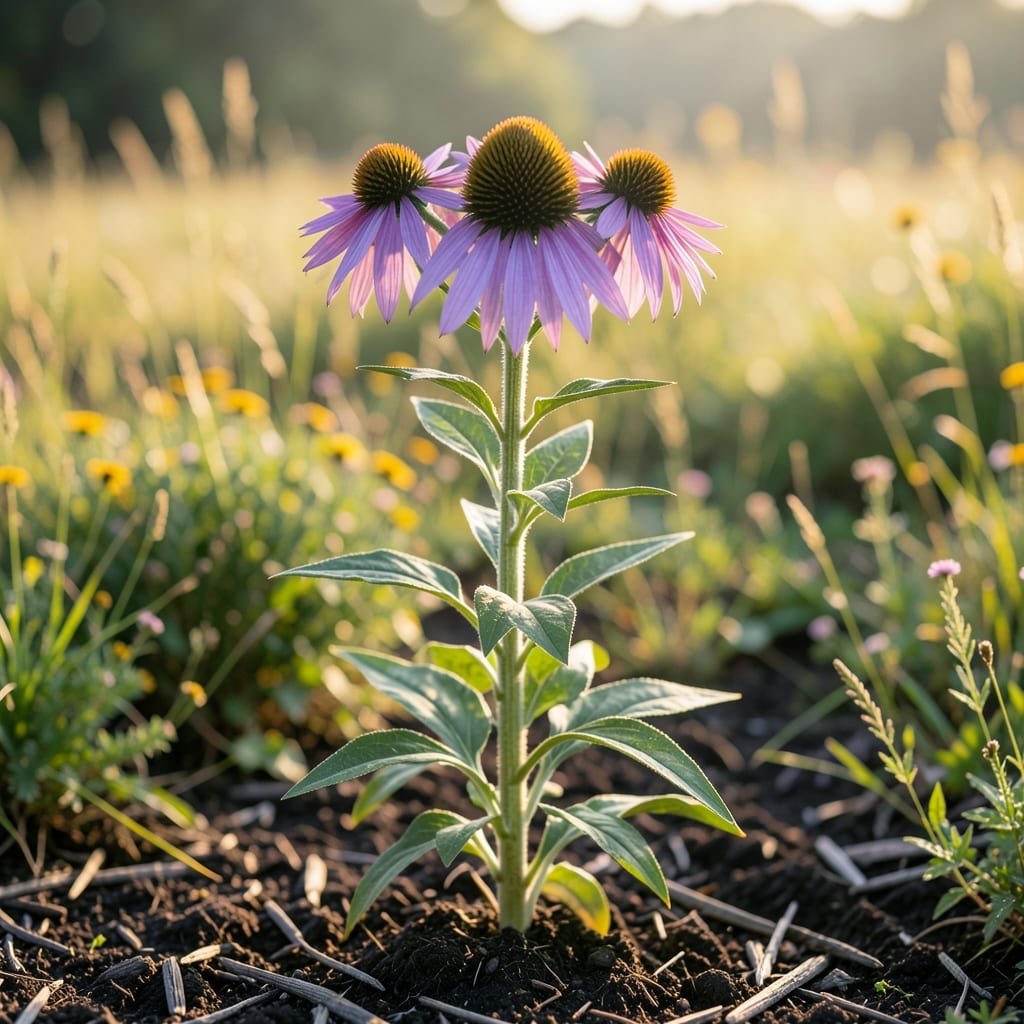
If you're wondering how tall echinacea do they grow, the answer might surprise you—these hardy perennials range from compact 1-foot dwarfs to towering 5-foot giants, making them perfect for any garden space.
Whether you're working with a small balcony or a sprawling backyard, echinacea's height flexibility means you can choose varieties that fit your vision. The key to unlocking their full potential lies in understanding their growth habits and care needs, which we'll break down step by step.
From sun-loving 'Magnus' that reaches 5 feet to petite 'Green Envy' staying under 2 feet, each variety brings its own charm. I'll show you how to select the right type for your space and maximize their height with simple pruning and planting tips.
Ready to transform your garden with these pollinator-friendly blooms? Let's dive into the world of echinacea and discover how to grow them at their best—no matter how much (or little) space you have.


Echinacea height varieties: from dwarf to giant species explained
If you're asking how tall echinacea grow, the answer depends entirely on the variety you choose. These pollinator magnets come in sizes that fit everything from window boxes to cottage gardens, with heights ranging from 1 foot to a dramatic 5 feet. The key is selecting the right cultivar for your space while understanding how each type matures over time.
For gardeners with limited space, dwarf echinacea like 'Green Envy' or 'Kim's Knee High' stay between 12-24 inches tall, making them perfect for borders or containers. Meanwhile, tall varieties such as 'Magnus' or 'White Swan' can reach 4-5 feet, creating stunning focal points in perennial beds. Let's explore the full spectrum of heights and what each brings to your garden.
🌱
Echinacea Height Comparison
| Variety | Height Range | Best For | Bloom Time |
|---|---|---|---|
| Green Envy | 12-24" | Containers, borders | Mid-summer |
| Kim's Knee High | 18-24" | Pollinator gardens | Early summer |
| White Swan | 30-36" | Cut flowers, back borders | Late summer |
| Magnus | 48-60" | Focal points, tall beds | Mid-late summer |
| Hot Papaya | 24-36" | Color accents, pollinators | Mid-summer |
One common misconception is that all echinacea grow to 5 feet—this simply isn't true. The dwarf varieties like 'Green Envy' mature at just 12-24 inches, while semi-dwarf types such as 'Hot Papaya' reach 24-36 inches. This variety allows you to create layered planting schemes where shorter types frame taller ones beautifully.
When planning your garden layout, consider the mature height of each plant. For example, placing 4-foot 'White Swan' behind 2-foot 'Kim's Knee High' creates visual depth while ensuring all plants get adequate sunlight. The spreading habit of echinacea also means taller varieties may need 18-24 inches of space between plants to prevent overcrowding.
For those growing echinacea in containers, dwarf varieties are your best bet. A 12-inch pot can comfortably accommodate 'Green Envy' while providing room for root growth. The container size directly impacts height—smaller pots may slightly stunt growth, while larger containers encourage fuller development.
One often-overlooked factor in echinacea height is the first-year growth. Most varieties start at 12-18 inches in their first season, then grow 6-12 inches taller each subsequent year. This gradual increase means you won't see 5-foot 'Magnus' until year three or four. Patience pays off with these perennials!
If you're growing echinacea for cut flowers, taller varieties like 'Magnus' or 'White Swan' provide longer stems. However, even dwarf varieties can be used in arrangements if you harvest the stems at their base. The flower size remains consistent regardless of height—what changes is the stem length and overall plant stature.
🌿
For gardeners in small spaces, consider the spreading habit alongside height. Some varieties like 'Green Envy' spread 12-18 inches wide, while taller types may spread 24 inches or more. This means you can fit multiple plants in a small area if you choose compact varieties. The clumping growth habit of echinacea makes them ideal for tight spaces where you want both height and width.
One final tip: if you're unsure about heights, start with medium-height varieties like 'White Swan' at 30-36 inches. These provide a good compromise between space efficiency and dramatic presence. And remember, all echinacea varieties thrive with full sun exposure—this is the single most important factor for achieving
How to maximize echinacea height: soil, sun, and spacing tips
To help your echinacea reach its full potential height, focus on three critical factors: soil quality, sunlight exposure, and proper spacing. These elements work together to create the ideal growing conditions for your plants, whether you're aiming for a 2-foot dwarf or a 5-foot giant.
Start with well-draining soil enriched with organic matter like compost. Echinacea thrives in sandy loam that prevents waterlogging, which can stunt growth. If your soil is heavy clay, mix in sand or perlite to improve drainage and aeration.
Next, ensure your echinacea gets full sun exposure—at least 6 to 8 hours daily. Place taller varieties like 'Magnus' in south-facing beds where they can bask in morning sun without afternoon shade competition. For dwarf varieties, a slightly shaded spot (like under tall shrubs) can prevent legginess.
Spacing plays a crucial role in height development. Plant dwarf varieties 12-18 inches apart to avoid overcrowding, while tall varieties like 'White Swan' need 24-36 inches of space. Proper spacing improves airflow, reducing disease risk and allowing each plant to focus energy on upward growth rather than competing with neighbors.
Watering techniques also influence height. Deep watering once a week encourages strong root systems, which support taller growth. Avoid overhead watering, especially in the evening, to prevent fungal diseases that can weaken stems. Mulch around the base with 2-3 inches of organic mulch to retain moisture and regulate soil temperature.
Finally, monitor your echinacea's growth habits. If stems appear leggy or floppy, it may need more sunlight. Conversely, if growth stalls, check for over-fertilization with nitrogen, which can lead to leafy growth at the expense of height. Balance is key—feed lightly with a 5-10-10 fertilizer in early spring to support steady upward growth.
With these tips, your echinacea will thrive and reach heights that match your garden vision—whether you're aiming for a pollinator-friendly border or a dramatic backyard focal point. 🌼