
Size
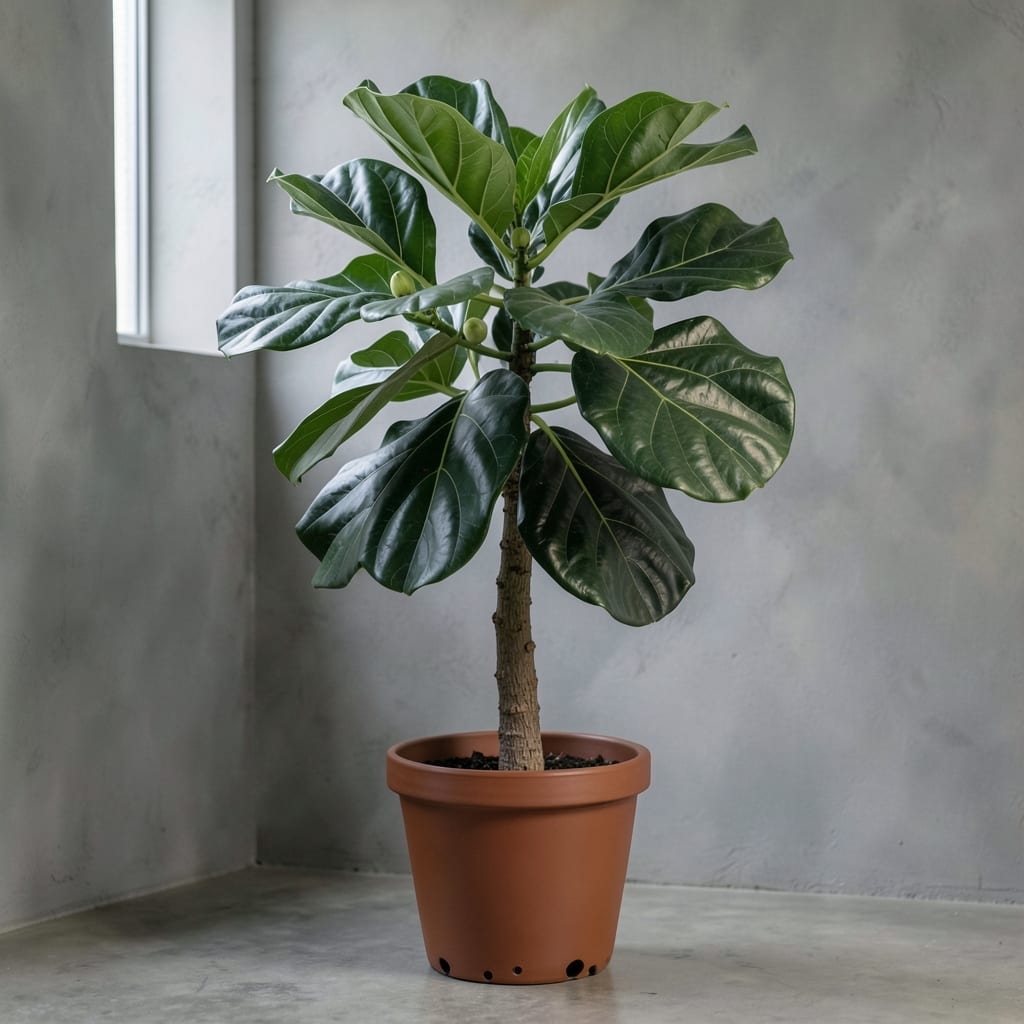
Natural height range of fiddle leaf figs: how tall they grow indoors vs. outdoors
Your fiddle leaf fig (Ficus lyrata) can reach heights that surprise even seasoned plant parents. Under ideal conditions, these tropical beauties typically grow between 4 to 10 feet tall indoors, while outdoor specimens in warm climates can soar up to 15 feet. The difference comes down to space, light exposure, and care routines—three factors you can control to keep your plant at your desired height.
Indoor fiddle leaf figs often max out around 6 to 8 feet because limited space and lower light levels slow their growth. However, if given plenty of bright indirect light and a spacious pot, they can easily hit ceiling heights in just a few years. Outdoor plants, on the other hand, thrive in their native tropical environments, where they grow faster and taller without the constraints of indoor living.
Here’s the key takeaway: Indoor growth is slower (about 12 to 24 inches per year), while outdoor growth can exceed 3 feet annually in perfect conditions. Your plant’s height potential depends entirely on how you nurture it—so let’s break down the specifics to help you plan.
Light is the #1 factor influencing your fiddle leaf fig’s height. These plants crave bright indirect light—think east or west-facing windows where they get at least 6 hours of sunlight daily. Without enough light, growth slows dramatically, and leaves may become smaller or develop brown spots. On the flip side, too much direct sun (especially harsh afternoon rays) can scorch leaves, stressing the plant and stunting its growth.
Pot size also plays a critical role. Fiddle leaf figs are root-bound sensitive, meaning they’ll grow faster when their roots have room to spread. Start with a 12-inch pot for young plants, then upgrade by 2–3 inches in diameter every 1–2 years. A cramped pot forces the plant to focus energy on filling the space rather than growing taller, but it won’t thrive long-term in tight quarters.
Another often-overlooked factor is temperature and humidity. Fiddle leaf figs love warm, humid environments—ideal conditions mimic their native tropical habitat. Indoor air, especially in winter, can be too dry, leading to slower growth. Use a humidifier or place a tray of water near the plant to boost moisture levels. Aim for 40–60% humidity to keep your plant happy and growing at its best.
If you’re worried about your fiddle leaf fig outgrowing its space, don’t panic—pruning is your best friend. Strategic pruning can reduce height by up to 50% while encouraging bushier, fuller growth. The key is to prune in late winter or early spring, just as new growth begins. This gives your plant time to recover and fill out before the growing season peaks.
Outdoor fiddle leaf figs in USDA Zones 10–12 (or container-grown plants moved outdoors in summer) grow much faster due to unrestricted sunlight and space. In these conditions, they can reach their maximum height of 10–15 feet in just 3–5 years. However, outdoor plants are also more vulnerable to pests, cold snaps, and harsh weather, so they require extra protection during transitions.
For indoor gardeners, the good news is that you can control your fiddle leaf fig’s height with consistent care. By providing the right light, pot size, and humidity, you’ll ensure your plant grows at a manageable pace. And if it does start to tower over your space, a little pruning will keep it lush and compact without sacrificing its stunning foliage.
🌿 Ready to take control of your fiddle leaf fig’s growth? Start by assessing its current light conditions and pot size—these two factors alone can make or break your plant’s height trajectory. With the right approach, you’ll have a thriving, well-proportioned fiddle leaf fig that fits perfectly in your space.
Natural height range of fiddle leaf figs: how tall they grow indoors vs. outdoors
Fiddle leaf figs (Ficus lyrata) are natural showstoppers, but their height potential varies dramatically between indoor and outdoor environments. Under ideal conditions, these tropical trees can reach 10–15 feet tall outdoors, mirroring their wild counterparts in West African rainforests. Indoors, however, most stay between 4–10 feet due to limited space and controlled growing conditions.
Your plant’s growth rate depends on three key factors: light exposure, pot size, and pruning habits. Without proper care, a fiddle leaf fig can grow 1–2 feet per year—fast enough to outgrow your ceiling in just a few years. But with strategic pruning and light management, you can keep it at a manageable 6–8 feet for living spaces.
| Condition | Indoor Height Range | Outdoor Height Range |
|---|---|---|
| Light Exposure | 4–8 ft (bright indirect light) | 10–15 ft (full sun) |
| Pot Size | 6–10 ft (smaller pots) | 12–15 ft (large containers) |
| Pruning | 5–7 ft (regular pruning) | 10+ ft (minimal pruning) |
| Growth Rate | 1–2 ft/year | 2–3 ft/year |
In indoor settings, fiddle leaf figs thrive best with bright indirect light near east or west-facing windows. Without enough light, they’ll grow leggy and slow, rarely exceeding 6 feet. For outdoor cultivation (in USDA zones 10–12), they can reach their full 10–15 foot height, but they’re sensitive to cold drafts and temperature drops below 50°F.
If you’re growing a fiddle leaf fig in a small apartment, aim for a 6-foot max height by pruning annually in spring and using 1–2 gallon pots to restrict root growth. Larger pots (3+ gallons) encourage faster, taller growth—ideal for spacious homes or greenhouses.
Pro tip: Rotate your plant every 2–3 months to ensure even growth. Uneven light exposure causes lopsided growth, where one side stretches toward the window while the other remains stunted. This imbalance can make your plant look 3–4 feet taller on one side alone!
For compact growth, combine pruning with top-dressing fertilizer (like a 10-10-10 NPK mix) to encourage bushier foliage. Avoid over-fertilizing, though—too many nutrients can lead to rapid but weak growth, making your plant more prone to dropping leaves.