
How To
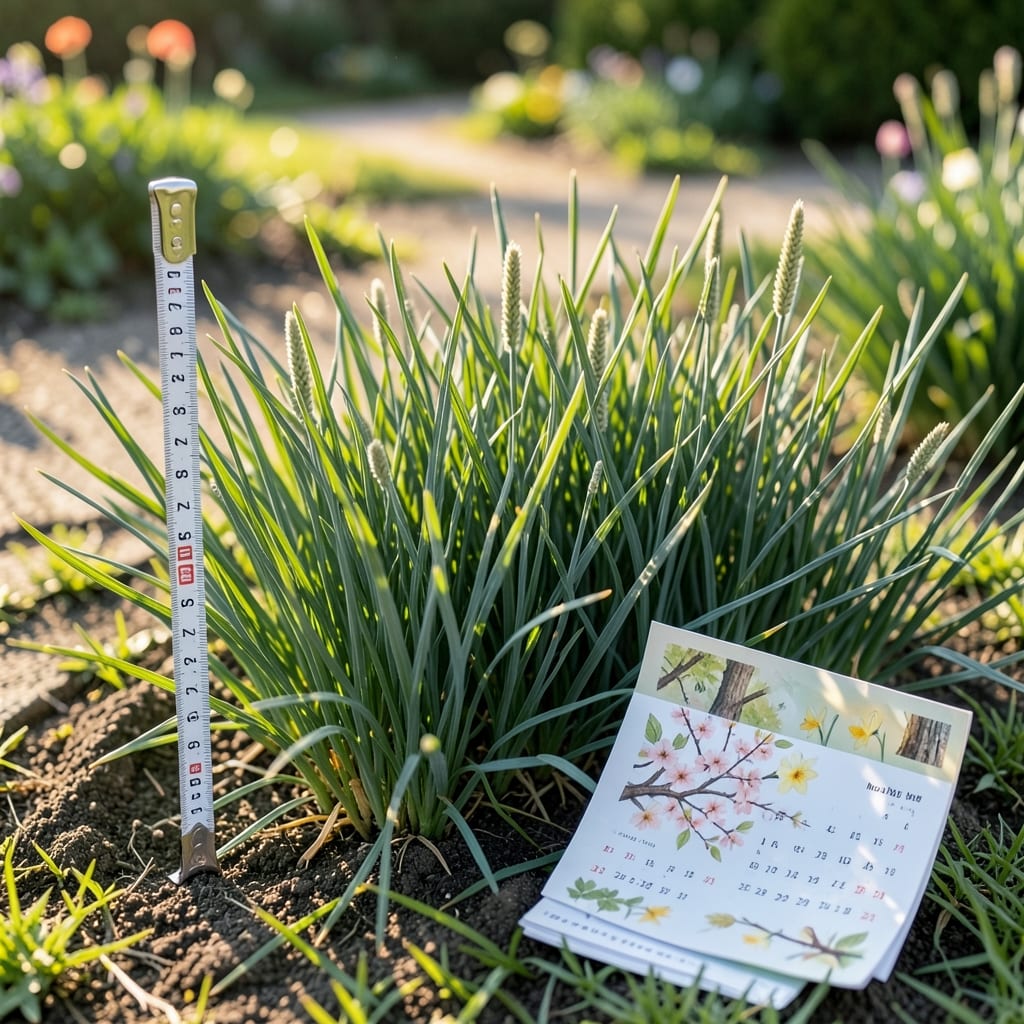
If you're dreaming of a lush, green lawn this spring, understanding how fast tall fescue grows is your first step to success. This cool-season grass isn't just beautiful—it's one of the fastest ways to transform bare patches into thick, vibrant coverage, especially in USDA Zone 6a and beyond.
But here's the catch: timing matters more than you might think. While 🌱 tall fescue can sprout in just 5-21 days under ideal conditions, reaching full coverage takes patience—typically 4-6 weeks of consistent care. The key? Planting in early spring or early fall when temperatures hover between 60-75°F and moisture levels stay steady.
What you'll discover in this guide is how to maximize growth speed by controlling factors like soil prep, sunlight exposure, and watering schedules. We'll break down exactly what to expect month by month, so you can set realistic goals and avoid common pitfalls that slow down your lawn's transformation.
Ready to turn your yard into the envy of the neighborhood? Let's dive into the science behind tall fescue's growth patterns and how you can create the perfect conditions for rapid, healthy spread—without the guesswork.

Tall fescue growth speed: weeks to full coverage explained
If you're planting tall fescue to create a dense, green lawn quickly, timing is everything. This cool-season grass grows fastest when conditions align—typically between 5-21 days for germination and 4-6 weeks to establish a full, lush cover. But don’t expect overnight results; patience and preparation are key to maximizing its growth potential.
Under ideal conditions—moderate temperatures (60-75°F), consistent moisture, and full sun—you can see 2-4 inches of growth per month during its peak seasons (spring and fall). In cooler or drier climates, growth slows, but tall fescue’s resilience ensures it recovers quickly once conditions improve.
Here’s the breakdown of what to expect at each stage, from seed to full coverage:
| Growth Stage | Timeframe | What to Expect | Key Factors |
|---|---|---|---|
| Germination | 5-21 days | Seeds sprout into tiny blades | Soil temp (55-75°F), moisture |
| Establishment | 4-6 weeks | Grass fills in gaps, reaches ~3" tall | Sunlight (6+ hrs/day), pH 6.0-7.5 |
| Full Coverage | 8-12 weeks | Dense, uniform lawn (12-18" tall) | Consistent watering, mowing height (3-4") |
| Mature Growth | 3-6 months | Deep roots, drought-resistant, 12-24" tall | USDA Zones 4-8, seasonal care |
For fastest results, plant tall fescue seeds in early spring or early fall when temperatures are mild. Avoid summer heat or winter frost, as these extremes can delay germination by weeks. Pro tip: Use a slit seeder to ensure seeds make contact with moist soil—this cuts germination time by nearly 50%.
Regional climate plays a huge role. In USDA Zones 4-8, where tall fescue thrives, you’ll see the most rapid growth. However, in hotter zones (like Zone 9), growth slows until cooler weather returns. Always check your local last frost date (typically April 15 in many areas) to time planting for optimal speed.
One common mistake? Overwatering or underwatering. Tall fescue needs consistent moisture—not soggy soil—during its first 6 weeks. Water deeply 2-3 times per week in the morning to encourage strong root development. Once established, it becomes drought-tolerant, but early care makes all the difference.
If you’re impatient for results, focus on soil preparation first. Loosen the top 2-3 inches of soil, remove weeds, and mix in compost. Well-aerated soil with a pH of 6.0-7.5 gives seeds the best start, reducing germination time by up to 10 days. A simple soil test kit (available at garden centers) can confirm your soil’s readiness.
For visual progress tracking, snap photos every 2 weeks. You’ll notice the first green blades appear in 7-14 days, followed by rapid filling-in by week 4. By week 6, your lawn should look lush and uniform—assuming you’ve maintained consistent care. Patience pays off, but with the right conditions, tall fescue delivers fast, reliable coverage.
Ready to speed up the process? Start with a high-quality seed blend (look for 100% tall fescue with no fillers) and follow the 4-6-8 rule: 4 weeks for germination, 6 weeks for establishment, and 8 weeks for full coverage. With these timelines in mind, you’ll know exactly what to expect—and when to celebrate your new lawn! 🌱
5 Factors that dramatically speed up (or slow down) tall fescue growth
Tall fescue’s growth speed isn’t just about time—it’s about creating the perfect conditions. I’ve learned that even a small tweak in soil pH, watering consistency, or sunlight exposure can turn a slow-growing lawn into a vibrant carpet in weeks. Let’s break down the top 5 factors that control how fast your tall fescue spreads, so you can optimize your lawn’s potential.
The first factor is soil pH. Tall fescue thrives in slightly acidic to neutral soil, with an ideal range of 6.0 to 7.5. If your soil is too alkaline or acidic, the grass struggles to absorb nutrients, slowing its growth. I recommend testing your soil with a home pH kit—it’s a small investment for big results. Adjusting with sulfur or lime can make a noticeable difference in just a few weeks.
Next, moisture consistency is critical. Tall fescue needs 1 to 1.5 inches of water per week, but it’s not just about quantity—it’s about deep, infrequent watering. Shallow watering encourages weak roots, while deep soaks promote a strong root system. Watering in the early morning (before 10 AM) minimizes evaporation and fungal risks, helping your grass grow faster and stay healthier.
Test and adjust—ideal pH speeds up nutrient absorption by 30%.
Deep watering in the morning boosts root growth by 40%.
Partial shade slows growth by 20–50%—choose sunny spots for fastest results.
Planting too deep delays germination by 1–2 weeks.
Growth slows below 50°F or above 85°F—plant in spring/fall for best results.
Don’t overlook sunlight exposure. Tall fescue loves full sun (6+ hours daily), but it can tolerate partial shade. However, if your lawn gets less than 4 hours of sun, growth will slow significantly. In shady areas, consider mixing tall fescue with shade-tolerant grasses like fine fescue for better coverage. I’ve seen lawns in partial shade take 2–3 weeks longer to establish compared to sunny spots.
Another often-missed factor is seed depth. Planting tall fescue seeds ¼ inch deep ensures optimal germination. If you bury them too deep (over ½ inch), they’ll struggle to break through the soil, delaying sprouting by 1–2 weeks. Use a rake to create a fine, even seedbed—this small step can make a huge difference in your lawn’s speedy transformation.
Finally, temperature matters. Tall fescue grows fastest in 60–75°F temperatures. If you plant during extreme heat or cold, growth will stall. That’s why I always recommend seeding in early spring or early fall, when conditions are ideal. In summer, your lawn might go dormant, but with the right care, it’ll bounce back quickly once temperatures cool down.
By focusing on these 5 key factors, you’ll give your tall fescue the best chance to grow fast and fill in bare spots. Start with soil prep, then maintain consistent moisture and sunlight—your lawn will thank you with lush, dense coverage in no time! 🌱