
How To
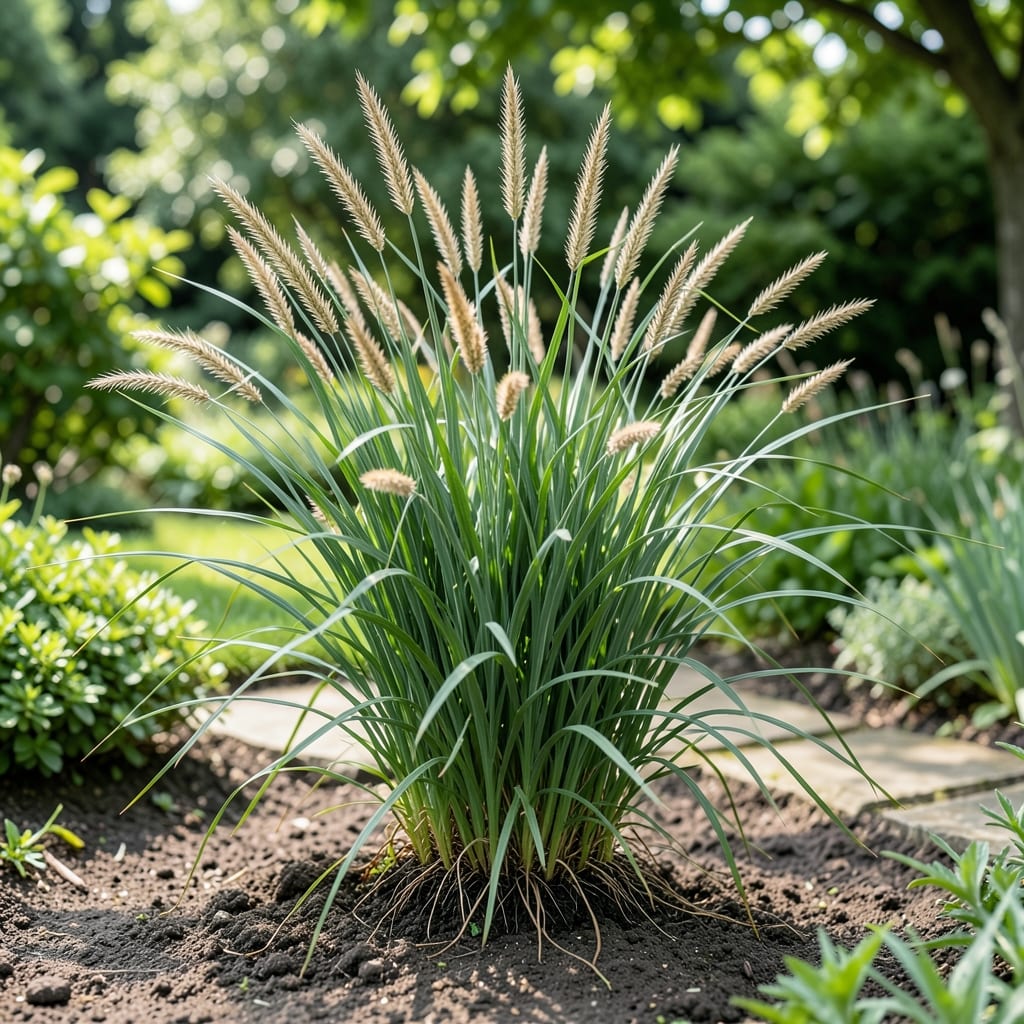
If you're wondering "how long does tall fescue take to grow", you're not alone—many new lawn owners face the same question. This cool-season grass is known for its durability, but patience is key during the early stages. While germination can happen in as little as 5 days, full establishment takes months, depending on your climate and care routine.
The real magic happens between 3 and 6 months, when roots deepen and the lawn thickens into that lush, green carpet. But here's the catch: rushing the process with too much water or fertilizer can backfire. Proper soil prep and timing make all the difference in getting your 🌱 tall fescue off to the fastest, healthiest start.
Let’s break down the timeline—from those first tiny sprouts to a fully rooted lawn—so you know exactly what to expect. Whether you're seeding in Zone 6a or another region, these insights will help you avoid common pitfalls and set your grass up for long-term success.
Ready to transform that bare patch into a vibrant lawn? I’ll walk you through the stages, speed tips, and maintenance secrets that make the wait feel shorter. Let’s get growing!

Tall fescue germination timeline: weeks to full growth explained
Understanding the tall fescue germination timeline is the first step to a thriving lawn. This cool-season grass typically starts sprouting within 5 to 21 days after planting, but the full establishment process spans 6 to 12 months. The key phases—germination, early growth, and root development—each require specific care to ensure your lawn reaches its full potential.
For the fastest results, aim to plant tall fescue seeds in late summer to early fall (August–September). This timing aligns with the grass’s natural growth cycle, allowing it to establish strong roots before winter dormancy. If you plant in spring, expect slightly slower progress due to fluctuating temperatures and potential drought stress.
The germination stage (5–21 days) is when seeds break dormancy and push through the soil. During this phase, consistent moisture and 60–70°F soil temperatures are critical. If your soil is too cold (<50°F) or too hot (>85°F), germination can stall or fail entirely. This is why fall planting often yields better results than spring.
Once sprouts emerge, the early growth phase (3–4 weeks) focuses on developing a dense canopy. Young seedlings need 1–1.5 inches of water per week, applied deeply to encourage root penetration. Avoid light, frequent watering—this can lead to shallow roots and weak grass. Instead, water in the early morning to reduce evaporation and fungal risks.
By 6 to 8 weeks, your tall fescue should be tall enough to mow (typically 3–4 inches). At this stage, roots are still shallow, so avoid heavy foot traffic or mowing too short. Gradually adjust your mower height to 3–4 inches to strengthen the grass blades and promote deeper root growth.
The full establishment phase (3–6 months) is where your lawn truly transforms. During this time, roots extend 4–6 inches deep, making the grass drought-resistant and resilient to weeds. This is also when you’ll notice the deep green color and dense texture that tall fescue is famous for. Patience here pays off—rushing fertilization or mowing can set back progress.
Environmental factors like soil type, sunlight exposure, and local climate play a huge role in the timeline. Sandy soils drain too quickly and may require more frequent watering, while clay soils can become waterlogged if not amended with compost. Aim for well-draining, slightly acidic soil (pH 6.0–7.0) to optimize growth.
In Zone 6a, where tall fescue thrives, expect the fastest germination in fall and the slowest in late spring. If you’re in a warmer climate (Zones 7–9), germination may take slightly longer due to higher soil temperatures. Always test your soil’s moisture and pH levels before planting to avoid delays.
| Stage | Timeframe | Key Actions | Critical Factors |
|---|---|---|---|
| Germination | 5–21 days | Keep soil moist, maintain 60–70°F | Soil temperature, moisture, seed depth |
| Early Growth | 3–4 weeks | Water 1–1.5" weekly, avoid foot traffic | Watering schedule, sunlight, mowing height |
| Root Development | 6–8 weeks | Mow at 3–4", fertilize lightly | Soil nutrients, mowing frequency, weather |
| Full Establishment | 3–6 months | Deep roots, dense canopy, drought tolerance | Seasonal care, soil health, climate |
One of the biggest misconceptions about tall fescue is that it grows quickly—it doesn’t. The first 3 months are the most critical, and rushing this phase can lead to weak, patchy lawns. For example, applying too much fertilizer early can burn tender seedlings, while skipping watering during heatwaves can cause irreversible damage. Balance is key: light feeding in the first 8 weeks and consistent watering are non-negotiable.
If you’re seeding in late summer, your tall fescue will likely establish faster than a spring planting. The cooler temperatures and increased rainfall in fall create ideal conditions for root growth. By October, your lawn should be well on its way to becoming self-sustaining, with minimal care needed until spring. This is why many lawn care experts recommend fall as the best planting window for tall fescue.
To track your progress, mark the date you planted and monitor sprouts daily. If germination takes longer than 21 days, check your soil moisture and temperature—these are the most common culprits. With the right conditions, you’ll see those first bright green blades within weeks, and before you know it, your lawn will be the envy of the neighborhood.
5 Proven tips to speed up tall fescue growth in your lawn
If you're eager to see your tall fescue lawn transform faster, the secret lies in the details. While germination takes its time, strategic care can shave weeks off the process. Start with soil temperature—ideal germination happens when soil reaches 60-75°F. Use a soil thermometer to monitor and adjust planting timing if needed.
Next, focus on planting depth. Seeds should sit just ¼ inch deep—any deeper, and they’ll struggle to break through. Lightly rake the soil to create a fine, even surface before spreading seeds. This ensures consistent contact with moisture and warmth, which are critical for quick sprouting.
🌱 Numbered Highlights: Speed Up Tall Fescue Growth
- 1. Seed Depth: Plant seeds ¼ inch deep—no deeper!
- 2. Watering: Keep soil consistently moist (not soggy) for 2-3 weeks post-planting.
- 3. Sunlight: Ensure 6+ hours of direct sun daily—shade slows growth.
- 4. Fertilizer: Apply a balanced fertilizer (10-10-10) 4-6 weeks after germination.
- 5. Mowing: Wait until grass reaches 3-4 inches tall before first mow.
Watering is another game-changer. Tall fescue seeds need consistent moisture to germinate, but overwatering can drown them. Aim for light, frequent watering—about ¼ inch per week—using a gentle sprinkler to avoid displacing seeds. Early morning watering (before 10 AM) reduces evaporation and fungal risks.
Don’t overlook the power of sunlight. Tall fescue thrives in full sun (6+ hours daily), but young seedlings need protection from intense afternoon heat. If your lawn gets harsh sun, consider light shade cloth for the first 2 weeks until sprouts are established.
Finally, timing your fertilizer application can make a huge difference. Avoid fertilizing right after planting—wait until you see 2-3 inches of growth, then apply a balanced fertilizer (like 10-10-10) to boost root and shoot development. This step ensures your grass grows thick and resilient, not just tall and weak.
With these tips, you’ll see visible sprouts in 7-14 days and a lush lawn in 3-4 months instead of waiting half a year. Patience pays off, but smart care cuts the wait time dramatically! 🌿