
How To
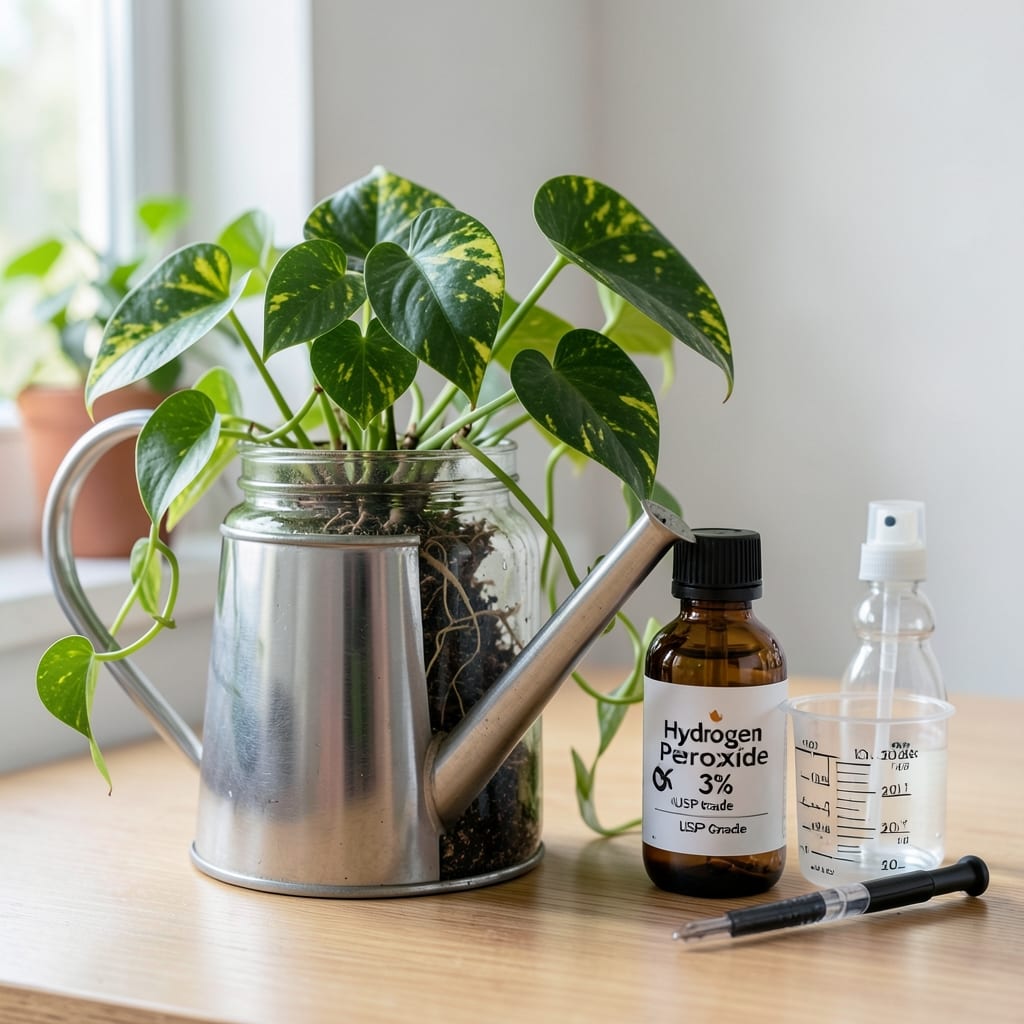
Safe hydrogen peroxide dilution ratios for plant watering: expert-approved ratios
Hydrogen peroxide isn't just for cleaning cuts—it's a powerhouse disinfectant for your garden. When used correctly, it can oxygenate roots, prevent fungal diseases, and even sterilize soil. But the wrong concentration can burn roots or harm beneficial microbes. Let’s break down the safe dilution ratios for different gardening needs.
The key is using the right percentage strength (3%, 6%, or 35%) and dilution ratio. Most gardeners use 3% food-grade hydrogen peroxide because it’s gentle yet effective. Higher concentrations like 35% are industrial-grade and require extreme dilution—never use them directly on plants!
Here’s how to mix it safely for your plants:
| Use Case | Hydrogen Peroxide Strength | Dilution Ratio | Application Method |
|---|---|---|---|
| Soil sterilization (before planting) | 3% | 1 tablespoon per gallon of water | Water soil 24 hours before planting |
| Root rot treatment | 3% | 1 teaspoon per gallon of water | Soak roots for 10 minutes before transplanting |
| Fungal disease prevention | 3% | 1 tablespoon per gallon of water | Spray foliage (avoid direct sun) |
| Compost tea booster | 3% | 1 teaspoon per gallon of water | Add to compost tea for microbial boost |
| Seed sterilization | 35% (food-safe) | 1 teaspoon per quart of water | Soak seeds for 5 minutes, rinse |
For seed sterilization, you’ll need to dilute 35% hydrogen peroxide carefully. Mix 1 teaspoon per quart of water and soak seeds for no longer than 5 minutes. Rinse thoroughly afterward to remove residue. This kills pathogens on seed coats without harming the seed itself.
When treating root rot, always use a weaker solution—just 1 teaspoon per gallon. Soak the roots for 10 minutes max before replanting. This helps oxygenate the roots and reduces anaerobic bacteria that cause rot. Avoid using it on succulents or cacti, as their roots are sensitive to moisture.
Never use hydrogen peroxide as a regular watering solution. It’s a treatment, not a fertilizer. Overuse can disrupt beneficial microbes in the soil, leading to long-term damage. Stick to once-a-month applications for prevention or short-term treatment only.
If you’re unsure about your soil pH, test it first. Hydrogen peroxide works best in slightly acidic to neutral soil (pH 6.0-7.0). In alkaline soils, its effectiveness drops, and you might need to adjust your approach.
For houseplants, dilute even further: ½ teaspoon per gallon. Their delicate root systems can’t handle stronger solutions. Always water in the morning so the leaves dry quickly, reducing the risk of leaf burn.
Pro tip: Store your hydrogen peroxide solution in a dark glass bottle away from sunlight. It breaks down when exposed to light, losing its potency. Label it clearly to avoid accidents!
How to use hydrogen peroxide in water for plants: step-by-step application guide
Now that you know the right dilution ratios, let’s walk through the step-by-step process for using hydrogen peroxide safely. Whether you’re treating root rot, sterilizing soil, or boosting compost tea, following these steps ensures you maximize benefits while minimizing risks to your plants.
First, always use food-grade hydrogen peroxide (3% concentration) for plant treatments. Avoid industrial-grade solutions, as they’re far too potent. Grab a spray bottle, watering can, or clean container and measure your solution precisely. Never eyeball it—accuracy is key to avoiding damage.
Here’s how to apply it correctly for different scenarios:
- Over-diluting: Too weak to kill pathogens.
- Over-saturating soil: Can suffocate roots.
- Applying in direct sunlight: Increases risk of leaf burn.
- Using expired hydrogen peroxide: Loses effectiveness.
For soil sterilization, mix 1 tablespoon of 3% hydrogen peroxide per gallon of water and apply it to the soil 24 hours before planting. This gives the solution time to disinfect without harming seeds or seedlings. Water the soil thoroughly, ensuring the mixture reaches 6 inches deep for optimal coverage.
If your plants are suffering from root rot, soak the roots in a 1 teaspoon per gallon solution for 10 minutes max. Gently swirl the container to ensure all roots are exposed. After soaking, rinse with plain water to remove residue. Replant immediately in fresh, well-draining soil to prevent reinfection.
To prevent fungal diseases, spray the foliage with a 1 tablespoon per gallon solution in the early morning. Avoid spraying during peak sunlight, as the solution can act as a magnifying glass, burning leaves. Focus on undersides of leaves and new growth, where fungi often thrive. Repeat every 2-3 weeks during high-risk periods (e.g., humid summers).
For houseplants, dilute the solution even further: ½ teaspoon per gallon. Use a spray bottle to mist the soil lightly, avoiding the leaves. Monitor your plants for signs of stress, such as yellowing leaves or wilting, which may indicate overuse. If you notice these symptoms, flush the soil with plain water immediately.
After applying hydrogen peroxide, keep an eye on your plants for 24-48 hours. Healthy plants should show improved vigor within a week, with fewer yellow leaves (a sign of fungal issues) and faster root growth. If you see brown spots or crispy edges on leaves, you’ve overdone it—stop using hydrogen peroxide and switch to plain water until the plant recovers.