
Light Requirements
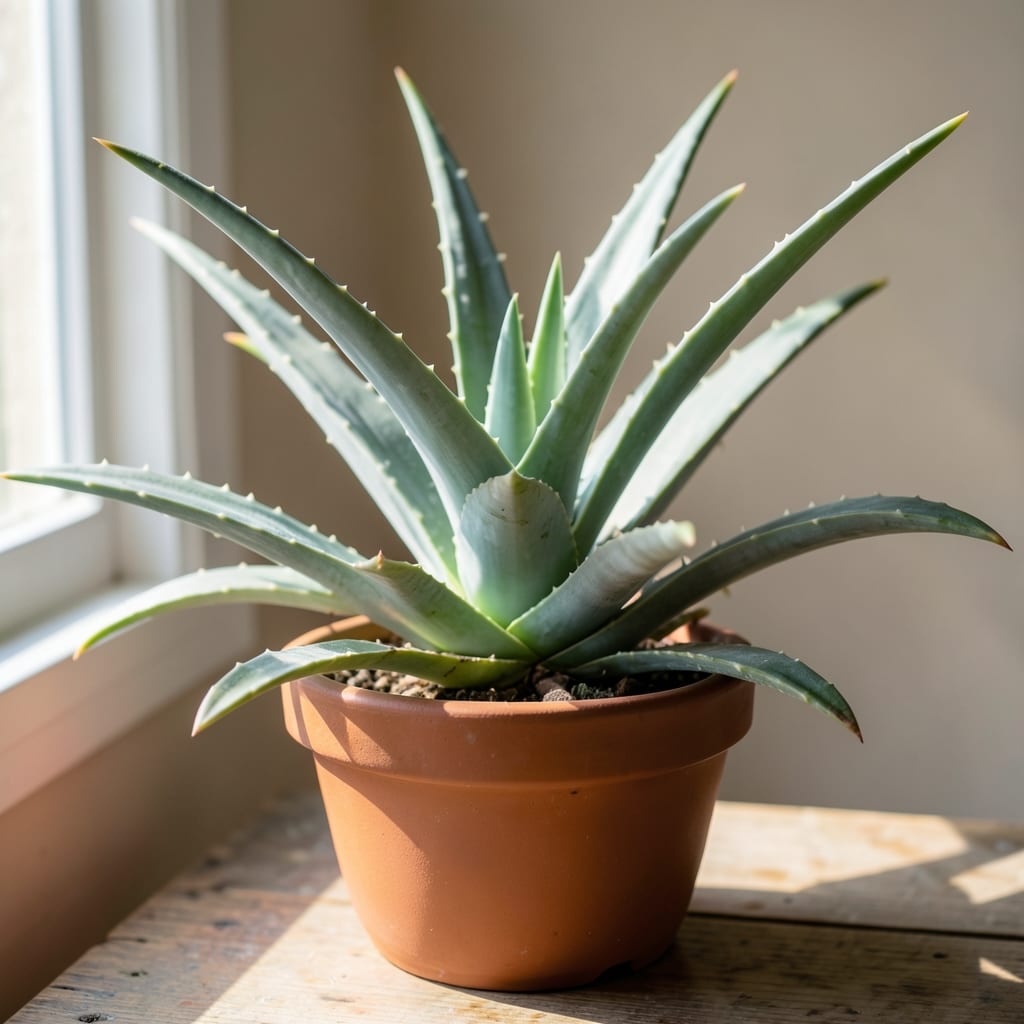
If your aloe plant 🌱 is struggling with weak growth or brown patches, the culprit might be getting its light needs wrong. Understanding exactly how much light an aloe plant needs is the key to keeping it thriving indoors or outdoors.
Most people assume aloe plants love full sun, but the truth is more nuanced. While they do need plenty of light, direct sunlight for more than 6 hours a day can actually scorch their leaves. The ideal balance is bright, indirect light—think of it as a sunny day with some shade.
In this guide, I’ll break down the perfect light conditions for your aloe, whether you’re growing it near a window, on a patio, or even under artificial lighting. You’ll learn how to spot signs of too much or too little light and how to adjust your setup for a healthier plant.
Ready to give your aloe the perfect growing conditions? Let’s dive into the details so you can enjoy a lush, vibrant plant year-round.

Ideal light conditions for aloe vera: bright indirect sunlight explained
Aloe plants thrive in bright indirect sunlight, which is often misunderstood as full sun exposure. While they love light, direct rays for more than 6 hours daily can cause sunburned patches on their leaves. The key is replicating the natural conditions of their desert origins—intense light with some shade protection.
Think of it like a sunny day in a semi-arid climate: the aloe gets plenty of light but isn’t blasted by harsh midday rays. This balance allows them to perform photosynthesis efficiently while avoiding stress. In nature, aloe plants grow under the dappled shade of other vegetation, which mimics what we can recreate indoors or in containers.
For optimal growth, aim for 6-8 hours of bright, filtered light per day. This could mean placing your aloe near an east-facing window (gentler morning sun) or a south-facing window with sheer curtains to diffuse the harshest afternoon rays. If you notice leaves turning yellow or brown, it’s a sign they’re getting too much direct sun.
Outdoors, aloe plants can handle partial sun exposure, especially in USDA Zones 8-11 where temperatures stay warm year-round. In cooler climates, bring them indoors during winter months when sunlight is weaker. Even then, supplement with a grow light for 12-14 hours daily to prevent etiolation (stretched, weak growth).
Here’s how to visualize the perfect light setup for your aloe:
The science behind aloe’s light needs lies in its CAM photosynthesis pathway, which allows it to thrive in arid conditions by opening its stomata at night to conserve water. This means aloe plants can handle intense light without burning as long as they’re not exposed to prolonged midday heat. However, in cooler climates, they still need plenty of light to compensate for lower temperatures.
If you’re growing aloe in a container on a patio, rotate it every few weeks to ensure even light exposure. This prevents one side from becoming lopsided or overly exposed. For indoor growers, a south-facing window is ideal, but if that’s not an option, a grow light with a 12-hour cycle can mimic natural sunlight. Just keep it 6-12 inches above the plant to avoid leaf burn.
One common misconception is that aloe plants require full sun like cacti. While they do love light, their thick leaves are more sensitive to UV damage than you might think. In fact, many aloe varieties—like the popular Aloe vera—develop red or brown patches when exposed to too much direct sun. The solution? Use a light sheer curtain to filter harsh rays while still allowing plenty of brightness.
For those in USDA Zones 6-7, winter light deprivation can be a challenge. If your aloe starts looking leggy or pale, supplement with a full-spectrum LED grow light for 4-6 hours daily. This mimics the longer daylight hours of summer and keeps your plant healthy year-round. Just remember: consistency is key—aloe plants prefer steady light over erratic exposure.
Signs your aloe plant isn’t getting the right light (and how to fix it)
Your aloe plant 🌱 might be silently screaming for help if it’s not getting the right amount of light. One of the first signs of light stress is yellowing leaves, especially on the lower stems. This usually means your aloe isn’t getting enough bright, indirect light—it’s starving for energy. Think of it like a plant with a vitamin D deficiency; without sufficient light, it can’t produce enough chlorophyll to stay green and healthy.
Another red flag is red or brown tips on the leaves. This is often a sign of too much direct sunlight, particularly harsh afternoon rays that can cause sunburn. If you notice crispy, dry edges or patches, your aloe is getting more sun than it can handle. It’s like leaving your skin exposed to the midday sun without sunscreen—eventually, it’s going to pay the price. The good news? This is usually an easy fix with a sheer curtain or slight repositioning.
If your aloe’s leaves start looking stretched and leggy, it’s a classic case of etiolation, which happens when your plant is reaching for light. This often occurs in low-light conditions, like a north-facing window or a dim corner of your home. The plant grows tall and weak because it’s desperate to reach more light sources. To fix this, move your aloe closer to a brighter spot or supplement with a grow light for 4-6 hours daily. Rotate the pot occasionally to encourage even growth.
Here’s a quick visual guide to help you diagnose your aloe’s light issues:
Warning Signs & Fixes
- Yellowing leaves → Move to brighter indirect light (e.g., east or south window).
- Brown tips or crispy edges → Reduce direct sun; use sheer curtains or move to indirect light.
- Stretched, leggy growth → Increase light exposure; add a grow light or rotate the plant.
- Pale or weak leaves → Supplement with artificial light (12-hour cycle) in low-light areas.
Don’t overlook pale or weak leaves as another warning sign. If your aloe’s leaves look lighter than usual or feel soft to the touch, it’s not getting enough light to support healthy growth. This is especially common in winter when daylight hours are shorter. To combat this, consider using a full-spectrum LED grow light for 6-8 hours a day. Place it 6-12 inches above the plant and keep it consistent—aloe plants thrive on routine.
One final tip: pay attention to the underside of the leaves. If they’re dusty or covered in a white film, your aloe might not be getting enough airflow or light to stay clean. Wipe the leaves gently with a damp cloth every few weeks to help them absorb light more efficiently. This simple step can make a big difference in your plant’s overall health and appearance.
By keeping an eye out for these signs and making small adjustments, you’ll give your aloe the perfect balance of light it needs to stay lush, green, and thriving. Remember, aloe plants are resilient, but they do need your help to find that sweet spot between too much and too little light. With a little attention, your aloe will reward you with vibrant, healthy growth for years to come. 🌿