
Light Requirements
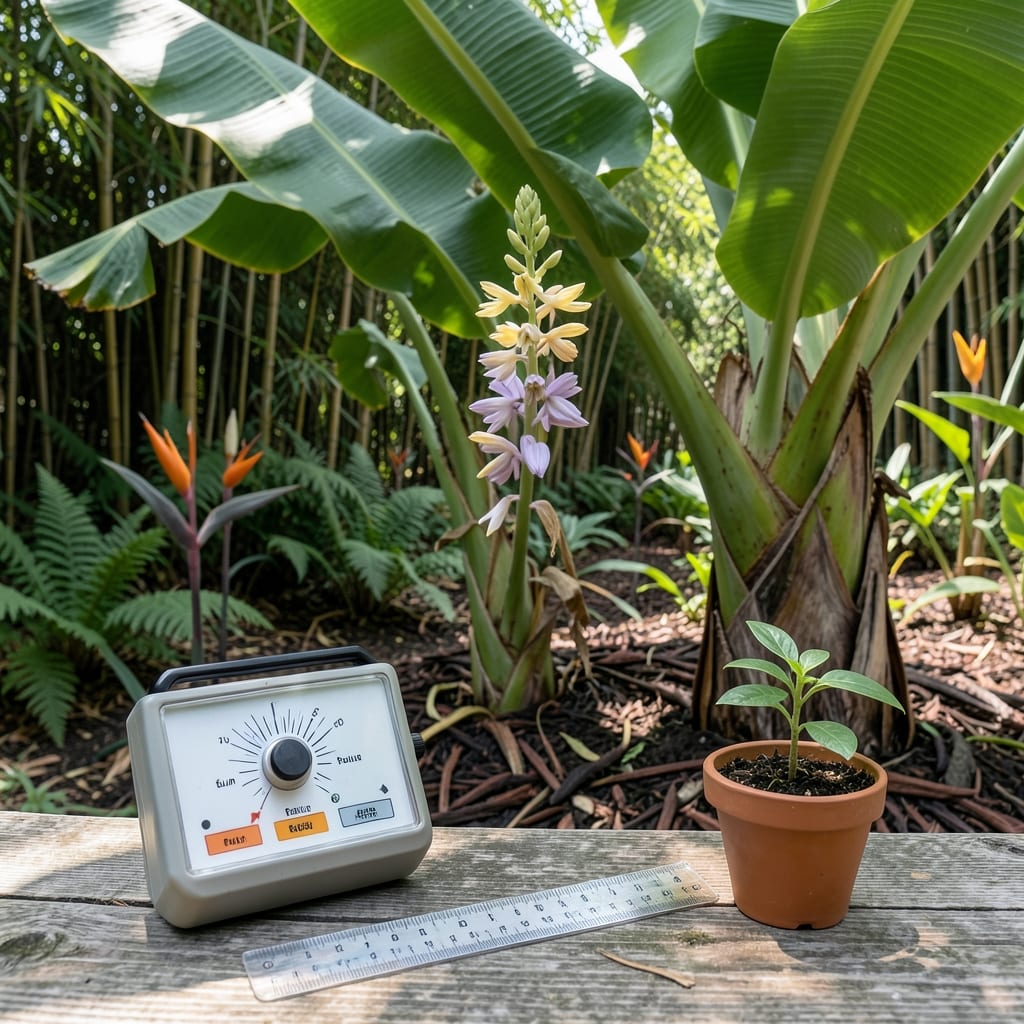
If you’re wondering how much light does a banana plant need, the answer might surprise you—because the right balance is key to avoiding stunted growth or yellowing leaves. These tropical giants thrive on 6-8 hours of direct sunlight daily, but too much or too little can spell disaster for your plant's health and fruit production.
Most gardeners assume banana plants love full sun, but the truth is more nuanced. In hot climates like Zone 6a, afternoon shade can prevent leaf scorch, while indoor growers need bright, artificial light to mimic tropical conditions. Whether you're planting in spring or troubleshooting an existing plant, understanding these light needs is the key to lush foliage and sweet harvests.
I’ll break down exactly how much light your banana plant needs at each growth stage—from seedlings to mature plants—and how to adjust care based on your location. You’ll also discover how to spot signs of light stress and fix common mistakes before they damage your plant.
Ready to give your banana plant the perfect light conditions? Let’s dive into the details so you can watch it grow strong and healthy all season long.

Ideal sunlight requirements for banana plants: 6-8 hours daily explained
Banana plants (Musa spp.) are sun-worshippers, craving 6 to 8 hours of direct sunlight daily to fuel their rapid growth and fruit production. In their native tropical climates, they bask under bright, filtered sunlight with occasional afternoon shade. However, in hotter regions like USDA Zones 9-11, providing afternoon shade prevents leaf scorch while maintaining energy production.
Young banana plants need slightly less light—around 4-6 hours daily—to avoid stress, while mature plants with large leaves can handle full sun exposure (8+ hours). The key is balancing intensity and duration; too much harsh afternoon sun can burn delicate foliage, while insufficient light leads to weak stems and poor flowering.
| Growth Stage | Sunlight Needs | Climate Adjustments | Signs of Stress |
|---|---|---|---|
| Seedlings (0-6 months) | 4-6 hours bright light | Use shade cloth (30-50%) in Zones 9-11 | Yellowing leaves, stunted growth |
| Mature Plants (6+ months) | 6-8+ hours direct sun | Afternoon shade in Zones 10-11 (3-5 PM) | Brown leaf tips, slow fruiting |
| Fruiting Stage | Full sun (8+ hours) | Windbreaks for coastal areas (salt spray damage) | Dropped flowers/bunches |
| Indoor Plants | 6+ hours grow lights | South-facing window + supplement | Leggy stems, pale leaves |
In temperate climates (Zones 6-8), banana plants enter dormancy in winter, requiring less light (3-4 hours daily) to conserve energy. However, if you're growing them as container plants, move them indoors near a south-facing window or under grow lights to maintain minimal light exposure.
Direct sunlight isn't always better—morning sun is gentler than harsh afternoon rays, especially in arid regions. For example, in Arizona or California, banana plants thrive with morning sun and afternoon shade, preventing leaf burn while still producing fruit. Observe your plant's leaves: if they're curling or crisping at the edges, it's a sign of too much direct sun.
Dwarf banana varieties like 'Dwarf Cavendish' are slightly more adaptable to partial shade (4-6 hours sun), making them ideal for patio containers in Zones 9-11. However, they still need bright, indirect light to prevent etiolation (stretched, weak growth). Always prioritize light quality over quantity—banana plants prefer diffused sunlight over intense, concentrated rays.
If you notice yellowing between leaf veins, it’s often a sign of too much sun, while uniform yellowing suggests light deficiency. In both cases, adjust placement gradually—banana plants are sensitive to sudden light changes. For indoor growers, a south-facing window with supplemental LED grow lights (12-16 hours/day) mimics natural tropical conditions.
Pro tip: Use a light meter or observe your plant’s shadow—if it’s less than 12 inches tall at midday, it’s likely getting enough sun. For larger plants, aim for a shadow length equal to or shorter than the plant’s height during peak sunlight hours. This simple trick helps gauge optimal light exposure without guesswork.
Remember, banana plants are opportunistic growers—they’ll stretch toward any available light, but this often results in weak, unproductive stems. By providing the right balance of sunlight, you’ll encourage strong growth, vibrant foliage, and abundant fruit—whether you're growing in a tropical greenhouse or a cool-climate patio.
How to provide perfect light for banana plants indoors and outdoors
Creating the perfect light environment for your banana plant depends on whether it’s thriving outdoors or cooped up indoors. Outdoors, banana plants love bright, direct sunlight but need adjustments based on your climate zone. In Zones 9-11, afternoon shade is essential to prevent leaf scorch, while Zones 6-8 benefit from morning sun paired with afternoon shade during peak summer months.
Indoors, banana plants are trickier—they crave sunlight but most homes lack the 6-8 hours of direct light they need. A south-facing window is your best bet, but even then, you’ll likely need to supplement with LED grow lights (12-16 hours/day) to mimic tropical conditions. Without enough light, your plant will stretch toward the window, producing weak, leggy stems and sparse foliage.
| Environment | Light Source | Duration | Climate Notes |
|---|---|---|---|
| Outdoor (Zones 9-11) | Morning sun + afternoon shade | 6-8 hours | Use 30-50% shade cloth 3-5 PM |
| Outdoor (Zones 6-8) | Full sun (spring-fall) | 8+ hours | Move indoors in winter (Zone 6) |
| Indoor (Window) | South-facing window + grow lights | 12-16 hours | Rotate plant weekly for even growth |
| Indoor (Grow Lights) | Full-spectrum LED (6000K) | 14-16 hours | Keep lights 12-18 inches above plant |
For outdoor gardeners, placement is everything. In hot climates, position your banana plant where it gets morning sun (6 AM–12 PM) and dappled shade in the afternoon. A tree canopy or lattice with shade cloth works perfectly. In cooler climates (Zones 6-8), full sun is ideal during the growing season, but move potted plants indoors before the first frost to a bright, unheated room.
Indoor growers face a bigger challenge—most homes don’t have enough natural light. If your banana plant is near a south-facing window, rotate it quarter-turns weekly to prevent lopsided growth. For east or west-facing windows, supplement with LED grow lights (6000K color temperature) for 4-6 hours daily. Avoid cheap incandescent bulbs—they emit too much heat and not enough blue light, which banana plants need for strong stems.
Seasonal adjustments are key, especially in northern hemisphere climates. During summer solstice (June), banana plants get longer daylight hours, so reduce direct sun exposure to prevent leaf burn. In winter (December-February), indoor plants may need extended grow light (14-16 hours) to compensate for shorter days. Outdoor plants in Zones 6-8 should be moved to a protected indoor space where they can still get 3-4 hours of indirect light daily.
Pro tip: If your banana plant starts stretching toward the light (a condition called etiolation), it’s a cry for more brightness. Increase light exposure gradually—sudden changes can shock the plant. For container growers, a reflective surface (like a white wall or aluminum foil) behind the plant can bounce extra light onto the leaves, maximizing efficiency. This trick works wonders in small apartments or greenhouses with limited space.
Whether you're growing banana plants outdoors in a tropical paradise or indoors under grow lights, the goal is the same: mimic their natural habitat. With the right light balance, your banana plant will reward you with vibrant leaves and sweet fruit, no matter where you live. 🌿