
Plants
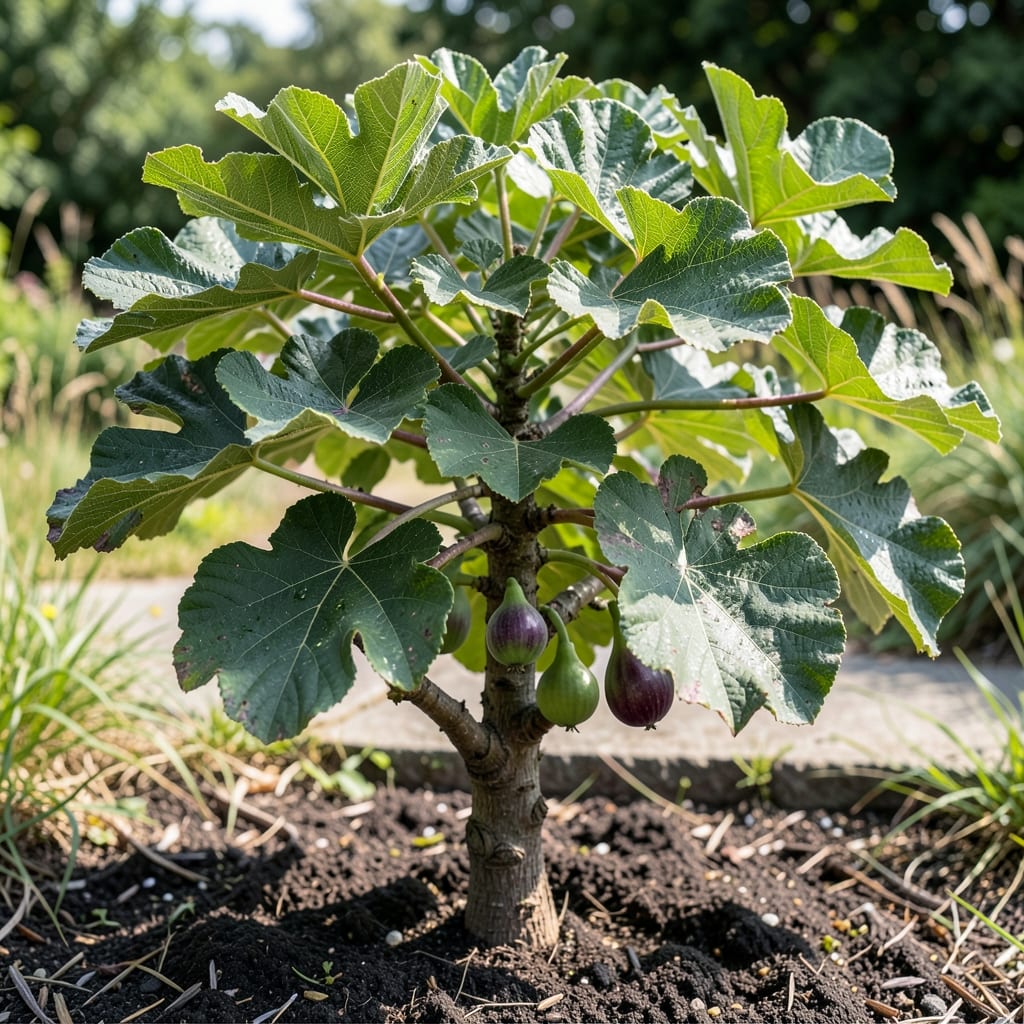
If your 🍈 fig plant is struggling to thrive, the answer might be simpler than you think—how much light does a fig plant need to reach its full potential? Too little sunlight, and your plant will stretch weakly toward the window; too much, and those vibrant leaves could turn crispy. The key lies in balancing brightness with protection, whether you're growing indoors or outdoors.
Figs are sun-worshippers, craving at least 6-8 hours of direct light daily to produce that sweet fruit you're dreaming of. But here's the catch: they also need to avoid harsh midday rays that can scorch their delicate leaves. I'll break down exactly how to position your plant—whether it's basking on a south-facing windowsill or standing proudly in your garden—so you can watch those leaves stay lush and those figs grow plump.
Don't worry if your space isn't naturally bright; I've got solutions for indoor growers too. We'll explore how to spot the signs of light stress—think yellowing leaves or leggy growth—and how to fix them before they become permanent problems. By the end, you'll know exactly where to place your fig for that perfect balance of sunshine and shade.
The best part? These tips work for both container figs and those planted in the ground, so whether you're a balcony gardener or have a full backyard, your 🍈 will thank you. Let's get your fig plant glowing with health and ready to bear fruit like never before.

Ideal light requirements for fig plants: sun exposure breakdown by type
Fig plants are sun-hungry and crave 6-8 hours of direct sunlight daily to thrive. Without enough light, they'll grow leggy and weak, while too much can scorch their leaves. The good news? With the right placement, you can satisfy your fig's light needs whether it's indoors or outdoors.
Outdoor figs love full sun exposure, especially in warmer climates where they can handle intense afternoon rays. In cooler regions, they may need afternoon shade protection to prevent leaf burn. Indoor figs, on the other hand, need a south-facing window or supplemental lighting to mimic these conditions.
Here's the key difference: outdoor figs can adapt to more direct sunlight (up to 10+ hours in hot climates), while indoor figs struggle with less than 4 hours of bright light daily. The solution? Position your plant where it gets the most consistent light possible, even if it means rotating the pot occasionally.
| Location | Light Needs | Best Placement | Seasonal Adjustments |
|---|---|---|---|
| Outdoor | 6-10 hours direct sun | South or west-facing spot | Add shade cloth in summer |
| Indoor (window) | 4-6 hours bright light | South-facing window | Rotate pot weekly |
| Indoor (grow lights) | 12-16 hours artificial light | 6-12 inches from light | Adjust height as plant grows |
For outdoor figs, morning sun is gentler than harsh afternoon rays, so position your plant to catch eastern sunlight first. If you're in a hot climate zone (USDA 9-11), provide afternoon shade during peak summer months to prevent leaf burn. Even drought-tolerant fig varieties like 'Celeste' need protection from intense midday heat.
Indoor figs are trickier because most homes don't get enough natural light. A south-facing window is ideal, but if that's not an option, a west-facing window can work too—just be prepared to supplement with grow lights in winter when days are shorter. Avoid north-facing windows entirely; figs will stretch and weaken trying to reach distant light.
Pro tip: If your fig starts leaning toward one side, it's phototropism in action—the plant's way of seeking light. Rotate the pot quarter-turns every week to keep growth even. This is especially important for container-grown figs, which can't move to follow the sun like outdoor plants.
Remember that light quality matters too—not just quantity. Figs need full-spectrum light, which includes UV rays that help prevent fungal issues. Outdoor plants get this naturally, but indoor growers may need LED grow lights with a color temperature of 5000-6500K to mimic sunlight.
One common mistake is assuming bright light equals direct sunlight. While a sunny windowsill is better than a dark corner, filtered light through sheer curtains won't cut it for figs. They need direct rays to produce fruit, so don't be afraid to move that plant closer to the glass—or invest in a grow light if natural light is insufficient.
For dwarf fig varieties like 'Little Miss Figgy' or 'Brown Turkey,' you can sometimes get away with 4 hours of light daily, but growth will be slower and fruit production may suffer. If you're growing figs for ornamental leaves rather than fruit, you can relax the light requirements slightly—but even then, 6 hours is the minimum for healthy foliage.
Signs your fig plant isn’t getting enough (or too much) light
Fig plants are like sunbathers—they love their rays but can easily get too much of a good thing. If your 🍈 plant is showing signs of light stress, it’s time to adjust its spot. The most common symptom of insufficient light is yellowing leaves, especially on the lower branches. This happens when your plant stretches toward the light source, creating those long, leggy stems that look like they’re reaching for a better view.
Another red flag? Small, sparse leaves that seem almost anemic. Your fig might also stop producing fruit entirely if it’s not getting enough sunlight. Even if you see new growth, it’ll be weak and pale, lacking the deep green color of a happy, sun-soaked plant. Trust me, your fig isn’t just being dramatic—it’s telling you it needs more light to thrive.
Now, let’s talk about the flip side: too much light. If your fig’s leaves start developing brown, crispy patches, especially on the edges, that’s your plant screaming, “I’m getting sunburned!” This often happens during peak summer hours when the sun is at its harshest. You might also notice leaves that feel dry or papery to the touch, almost like they’ve been left out in a desert.
🚨 Warning: Light Stress Signs
Too Little Light: Yellow leaves, leggy growth, no fruit
Too Much Light: Brown patches, crispy edges, dry leaves
Fix It Fast: Move plants gradually to avoid shock
Don’t panic if you spot these signs—figs are resilient, and a little adjustment can turn things around. If your plant is light-starved, try moving it to a sunnier window or outdoors for a few hours a day. For sunburned leaves, provide afternoon shade with a sheer curtain or move the plant to a spot with dappled sunlight. Remember, figs need 6-8 hours of light daily, but they also appreciate a little afternoon break from the intensity.
Pro tip: Observe your plant’s behavior throughout the day. If leaves are cupping upward or drooping by midday, it’s begging for shade. On the other hand, if new growth is leaning toward one side, rotate the pot every few days to ensure even light exposure. Small tweaks can make a world of difference for your fig’s health and fruit production.
Once you’ve adjusted the lighting, keep an eye on your plant over the next few weeks. You should see new growth emerging with a vibrant green hue, and those leggy stems should start filling out. If you’re still struggling, don’t hesitate to ask for help—figs are worth the extra attention!