
Plants
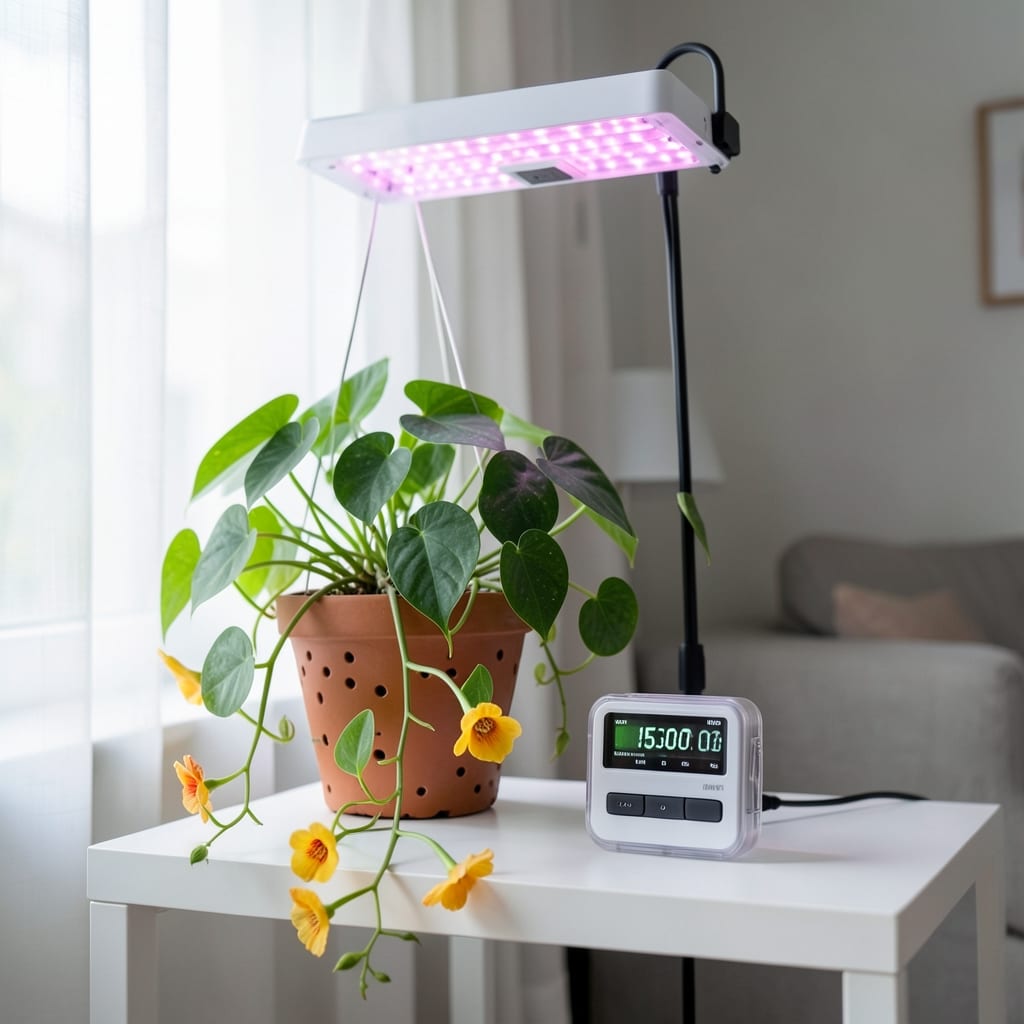
Wondering how much light does a goldfish plant need to stay vibrant and healthy? The answer might be simpler than you think—this stunning foliage plant thrives on bright, indirect light, but getting the balance just right can make all the difference.
Too little light and your plant stretches out, losing its signature fish-shaped leaves. Too much direct sun, and those gorgeous leaves can scorch in no time. The good news? With the right light conditions—about 4-6 hours daily—you’ll see your Goldfish Plant flourish with rich, colorful foliage that’s the envy of every plant lover.
Whether you’re placing it near an east-facing window or adjusting artificial lighting, I’ll show you exactly how to create the perfect environment. Let’s dive into the ideal light setup to keep your Goldfish Plant 🐟 thriving year-round.
From spotting early signs of light stress to choosing the best spot in your home, you’ll learn everything you need to know to give your plant the care it deserves. Ready to transform your space with lush, happy foliage?

Ideal light requirements for Goldfish Plants: bright, indirect sunlight explained
Your Goldfish Plant (Nematanthus gregarius) thrives best with 4-6 hours of bright, indirect sunlight daily. This delicate plant mimics its namesake by needing gentle light to maintain those stunning, fish-shaped leaves. Too much direct sun causes leaf burn, while too little light leads to leggy growth and pale foliage.
Think of it like a morning coffee lover—it enjoys the bright, filtered light of a sunrise but gets overwhelmed by harsh afternoon rays. Positioning your plant near an east-facing window is ideal, as it receives gentle morning sun without the intensity of midday heat.
For indoor growers, a spot 2-3 feet from a window works perfectly. If your home lacks natural light, supplement with a grow light (LED or fluorescent) for 6-8 hours daily. Avoid placing it in dim corners or behind heavy curtains—this leads to stunted growth and weak stems.
| Light Requirement | Specification | Outdoor Placement |
|---|---|---|
| Daily Exposure | 4-6 hours | Dappled shade under trees |
| Light Intensity | Bright indirect | East/west-facing patio |
| Avoid | Direct midday sun | South-facing windows |
| Seasonal Adjustment | Filter light in summer | Move indoors in winter |
Outdoor enthusiasts can place their Goldfish Plants in partial shade during summer months. A spot under a large tree canopy or on a covered porch provides the perfect balance. In winter, bring it indoors before temperatures drop below 50°F (10°C) to prevent cold stress.
If you notice yellowing leaves or brown tips, it’s a cry for help—either too much sun or inconsistent watering. Rotate your plant quarter-turns weekly to ensure even light exposure. This prevents one-sided growth and keeps those fish-shaped leaves symmetrical and vibrant.
For low-light homes, a south-facing window with sheer curtains can work, but expect slower growth. Pair this with a compact LED grow light (like a 10W bulb) placed 6-12 inches above the plant. Aim for 12 hours of light daily to mimic natural cycles and encourage healthy foliage.
Pro tip: Use a light meter app (free options available) to measure light intensity in foot-candles. Ideal levels for Goldfish Plants range between 500-1,000 foot-candles. If readings drop below 300, supplement with artificial light immediately to avoid light deprivation.
Seasonal changes demand adjustments too. In spring and fall, your Goldfish Plant can handle 6-8 hours of indirect light. But in summer, filter light with a light-colored curtain or move it to a shadier spot to prevent sunburn. Winter calls for supplemental lighting if natural light fades below 4 hours daily.
Remember, the goal is to mimic the dappled forest floor where Goldfish Plants thrive in the wild. With the right light balance, your plant will reward you with glossy, fish-patterned leaves that stand out in any collection. 🌿
Signs your goldfish plant isn’t getting the right light (and how to fix it)
Your Goldfish Plant 🐟 sends clear signals when its light needs aren’t met. One of the first clues is leggy growth—long, sparse stems with leaves spaced far apart. This happens when your plant stretches toward any available light source, often seen in low-light conditions. Think of it like a child reaching for a toy in the dark—desperate but ineffective.
Another red flag is pale or yellowing leaves, especially on the undersides. This indicates light deprivation, where your plant isn’t getting enough energy to produce chlorophyll. Check the leaf color intensity—healthy Goldfish Plants have vibrant, patterned foliage, not washed-out green.
Goldfish Plants in dim areas are prone to root rot because they can’t photosynthesize efficiently. Always pair low-light spots with well-draining soil and reduced watering.
On the opposite end, brown or crispy leaf edges mean your plant is getting too much direct sunlight. These sunburn symptoms often appear first on leaves facing the window. If you see white or yellow patches, move your plant immediately to a shadier location or add a sheer curtain to diffuse harsh rays.
For quick fixes, start by rotating your plant quarter-turns weekly to ensure even light exposure. If placed near a window, use white or light-colored curtains to filter sunlight without blocking it completely. For severe light issues, supplement with a grow light—even a 10W LED bulb on a timer can work wonders.
Pro tip: Check the stem thickness. Healthy stems are sturdy and greenish-red near the base. Thin, woody stems signal chronic light stress. Pair this with balanced fertilization (like a 10-10-10 NPK mix every 6 weeks) to encourage robust growth.
If your Goldfish Plant develops drooping leaves despite proper watering, it may be etiolated—a term for plants stretched thin from insufficient light. In this case, prune leggy stems to encourage bushier growth and move the plant to a brighter spot immediately. With the right adjustments, your plant can bounce back in just a few weeks.
Remember, the key is consistency. Goldfish Plants thrive on stable light conditions, so avoid moving them frequently. Once you find the perfect spot—whether it’s an east-facing window or under a grow light—your plant will reward you with lush, vibrant foliage that’s the star of any collection. 🌿