
Light Requirements
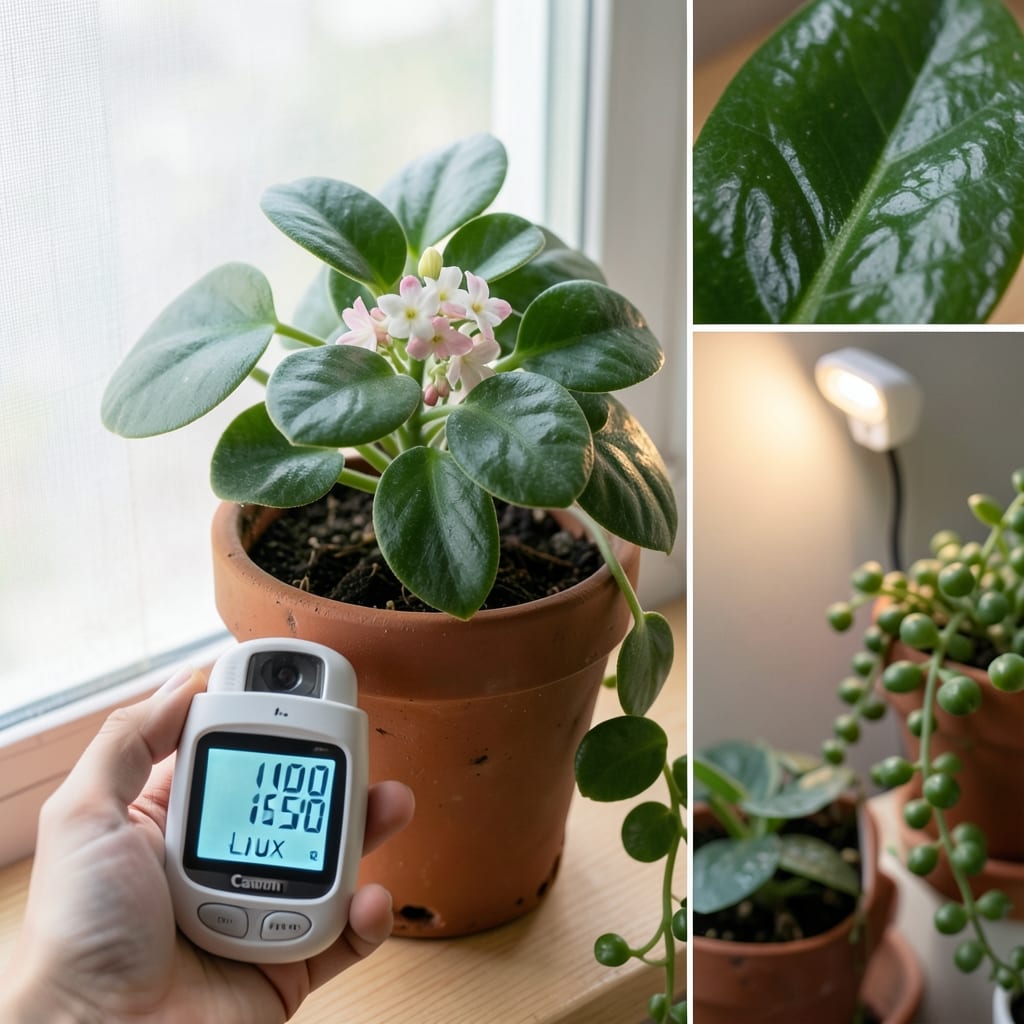
If you’ve ever wondered how much light does a Hoya plant need to stay vibrant, you’re not alone. The truth is, these waxy-leaved beauties thrive on bright, indirect light—but too much or too little can spell disaster for their growth.
Most people assume Hoyas are low-maintenance, but getting the lighting right is the key to keeping them lush and blooming. Too little light, and you’ll end up with leggy vines reaching for nonexistent sunshine. Too much direct sun, and those pretty leaves might develop unsightly burn marks. The good news? With the right setup—whether it’s an east-facing window or a simple grow light—your Hoya can flourish year-round.
Let’s break down exactly how much light your Hoya needs to stay happy, from the ideal brightness levels to spotting the warning signs when something’s off. Whether you’re a beginner or a seasoned plant parent, these tips will help you create the perfect light environment for your Hoya’s healthy growth.
Ready to transform those sad, stretched stems into vibrant, thriving vines? Stick with me, and I’ll show you how to nail the lighting your Hoya deserves—without the guesswork.

Hoya plant light requirements: brightness levels by variety and growth stage
Hoya plants are famously adaptable, but their light needs can vary depending on the variety and growth stage. Most Hoyas thrive in bright, indirect light, but some—like Hoya carnosa—can handle more direct sun than others, such as Hoya obovata, which prefers gentler conditions. Understanding these differences is key to avoiding common mistakes like leggy growth or sunburned leaves.
The general rule is 4-6 hours of bright, indirect light daily, but this can shift slightly based on your Hoya’s life cycle. For example, propagating cuttings need softer light to avoid stress, while mature plants in bloom may benefit from slightly more intensity. Let’s break down the specifics so you can tailor your setup to your Hoya’s unique needs.
Hoya carnosa (the popular "wax plant") is one of the hardiest varieties and can tolerate morning direct sun for a few hours, especially in cooler climates. However, Hoya kerrii (the "sweetheart plant") prefers bright indirect light year-round and may develop brown leaf tips if exposed to harsh afternoon rays. Always rotate your plant every few weeks to ensure even growth.
During the propagation stage, Hoyas are particularly sensitive to light. Use a nursery light or place cuttings under a sheer curtain to filter bright indirect light. Once rooted, gradually introduce them to their permanent light conditions to avoid shock. For mature plants, aim for consistency—sudden changes in light can cause stress, especially during flowering season (spring to summer).
If you’re growing Hoyas outdoors, morning sun is your friend, but afternoon sun can be brutal. A porch or patio with dappled shade is ideal, or use a light sheer fabric to diffuse harsh rays. In winter, when natural light dims, supplement with a grow bulb to maintain the 4-6 hour daily target. This prevents the leggy, weak growth that plagues many indoor Hoyas.
One common mistake is assuming all Hoyas have the same light tolerance. For example, Hoya australis loves high humidity and bright indirect light, while Hoya compacta can thrive in lower light conditions but may produce fewer blooms. Always research your specific variety’s preferences—it makes a world of difference in long-term health.
Pro tip: Rotate your Hoya quarterly to ensure even light exposure. This prevents one side from becoming overly stretched or sun-bleached. Pair this with a well-draining soil mix and you’ll have a Hoya that’s thriving, not just surviving.
Now that you’ve got the light requirements nailed down, let’s tackle the next challenge: spotting the signs when your Hoya is crying out for adjustment—whether it’s too much sun or not enough. Stay tuned for our next section on troubleshooting light issues so you can keep your plant happy and healthy.
Signs your Hoya isn’t getting enough (or too much) light—and how to fix it
Your Hoya plant might be silently screaming for help—and the clues are in its leaves and stems. If you’ve noticed stretched, leggy vines reaching toward the window or small, pale leaves, these are classic signs of low light stress. Hoyas naturally grow toward light sources, but when they don’t get enough, they’ll stretch unnaturally to compensate, weakening their structure and reducing blooms.
On the flip side, brown or crispy leaf edges or bleached, sunburned patches mean your plant is getting too much direct sunlight. Unlike some tropical plants, Hoyas can’t handle harsh afternoon rays, especially in hot climates. The key is finding that sweet spot of bright, indirect light—think dappled shade under a tree or an east-facing window.
Here’s the good news: fixing light issues is easier than you think. Start by rotating your Hoya quarter-turns weekly to ensure even growth. If your plant is in a south-facing window, move it back 6-12 inches or use a sheer curtain to filter the light. For north-facing windows, consider supplementing with a grow light for 4-6 hours daily to mimic natural brightness.
⚠️ Warning: Watch for These Red Flags!
- Leggy growth with sparse leaves = Too little light
- Yellowing leaves (especially lower ones) = Overwatering + low light
- Brown patches or white spots = Sunburn from direct light
- No blooms (even in mature plants) = Light deficiency
Act fast! Adjust lighting within 1-2 weeks to prevent permanent damage.
If your Hoya is outdoors, monitor its seasonal light exposure. In summer, afternoon sun can be intense, while winter days offer weaker light. A partial shade cloth (30-50% coverage) is a game-changer for outdoor Hoyas, protecting them without cutting off all light. For indoor plants, avoid placing them near air conditioning vents or heaters, which create dry, stressful conditions.
Pro tip: Check your Hoya’s leaves daily for subtle changes. Healthy Hoya leaves are thick, waxy, and deep green—any deviation is your plant’s way of communicating. For example, purple-tinged leaves often signal low light combined with cold drafts. Move your plant to a warmer, brighter spot immediately if you spot this.
Remember, Hoyas are forgiving plants, but they won’t tolerate neglect. Once you correct the lighting, you’ll see new growth within 4-6 weeks. Pair this with well-draining soil and moderate watering, and your Hoya will reward you with glossy leaves and stunning blooms all year round.