
Light Requirements
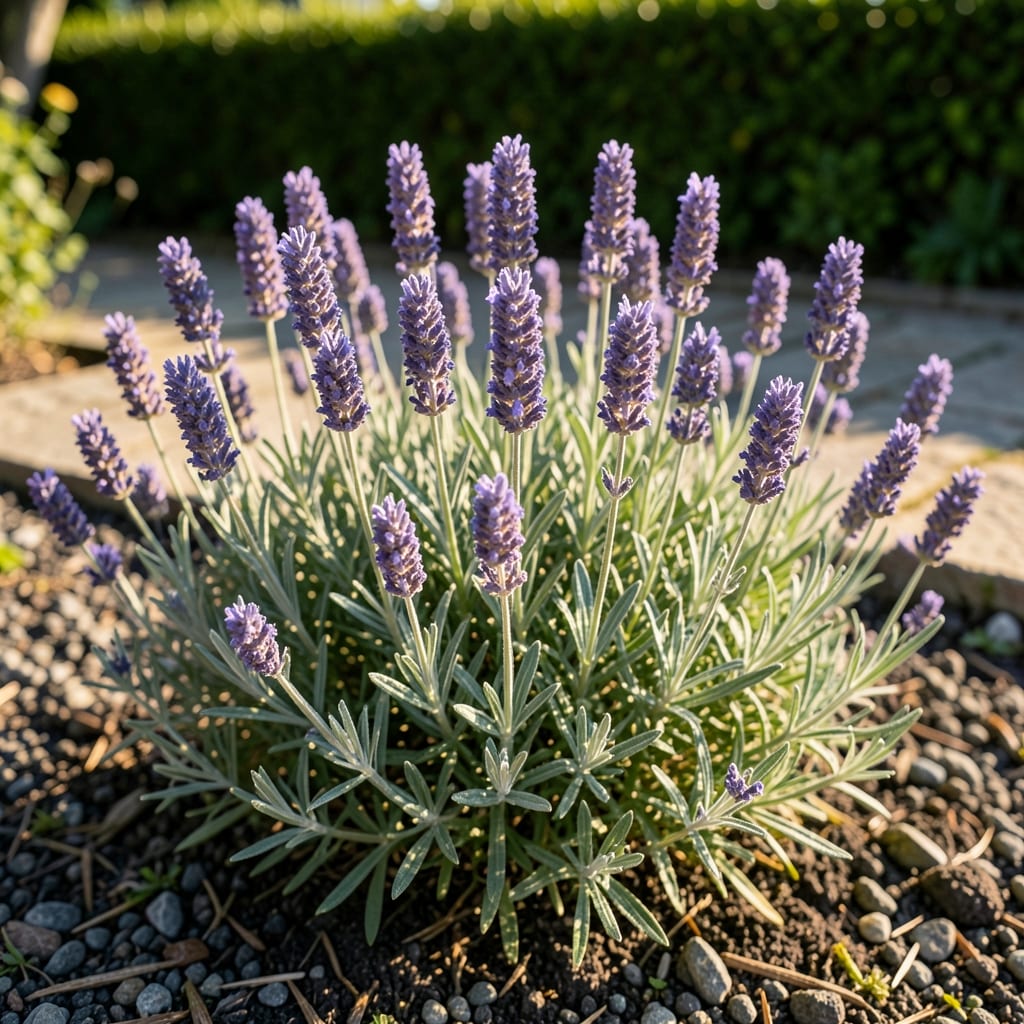
If you're wondering how much light does a lavender plant need to thrive, the answer is crucial—especially if your plants are stretching tall and sparse instead of producing those signature purple spikes. The light conditions might be the culprit, as lavender thrives in full sun, but many gardeners accidentally give it too little or too much, leading to weak growth and poor blooms.
The ideal amount of sunlight for lavender isn't just about survival—it's the key to vibrant foliage and fragrant flowers. Most varieties need at least 6-8 hours of direct sunlight daily, though some Mediterranean types can handle even more. Without enough light, your lavender will grow leggy and floppy, struggling to support its own weight.
But here's the thing: not all regions offer the same sunlight conditions. In cooler climates like USDA Zone 6a, morning sun with afternoon shade can work, while hotter areas may need afternoon shade to prevent stress. I'll show you exactly how to balance light exposure for healthy, bushy lavender plants—whether you're growing them in containers or directly in your garden.
Let's break down the most important light requirements, how to spot light deprivation, and creative solutions if your garden just can't provide full sun. You'll discover how to position your lavender for maximum growth and fragrance, no matter where you live.

Ideal sunlight requirements for lavender plants by variety
Lavender plants are sun worshippers, and their light requirements vary slightly depending on the variety. While all types need plenty of sunlight, some Mediterranean varieties like Spanish lavender can handle even more intense light than their English or French counterparts. Understanding these differences helps you position your plants for success, whether you're in a hot desert climate or a cooler northern zone.
Most lavender varieties thrive with 6-8 hours of direct sunlight daily, but some Mediterranean types can tolerate up to 10 hours of full sun. In regions with extreme heat, afternoon shade can prevent stress, while cooler climates may need morning sun to dry dew quickly and avoid fungal issues. The key is balancing light exposure with your local climate to prevent leggy growth or sunburn.
Here's how the most popular lavender varieties handle sunlight, including their tolerance for partial shade and regional adjustments:
If you're growing lavender in containers, they'll need even more sunlight because pots heat up faster and dry out quicker. Place them in the sunniest spot you have, like a south-facing patio or balcony. In shadier gardens, choose dwarf varieties or use reflective surfaces like white gravel to bounce extra light onto the plants.
For cooler climates (USDA Zones 5-6), morning sun with afternoon shade works best to prevent frost damage and heat stress. In hotter zones (7-10), afternoon shade becomes crucial to protect the plants from scorching. I've found that a 30-50% shade cloth in peak summer afternoons can make a huge difference for lavender in desert regions.
One common mistake is assuming all lavender is the same when it comes to light. For example, French lavender will struggle in partial shade and may not bloom at all, while English lavender can handle a bit more shade but still needs plenty of light to thrive. Always check the specific variety's needs before planting.
Pro tip: If your lavender is in a north-facing garden, consider using a south-facing wall or reflective mulch to maximize light exposure. Even a few extra hours of sunlight can mean the difference between sparse blooms and a fragrant, bushy plant.
Remember, lavender's light needs are non-negotiable if you want those iconic purple spikes. Without enough sunlight, you'll end up with weak stems, sparse foliage, and minimal fragrance. But with the right light balance, your lavender will reward you with vibrant blooms and a heavenly scent that lasts all season.
Ideal sunlight requirements for lavender plants by variety
Lavender plants are sun worshippers, and their light requirements vary slightly by variety. While all types need plenty of sunlight, some Mediterranean varieties like Spanish lavender (Lavandula stoechas) can handle even more intense light than others. Understanding these differences helps you position your plants perfectly for healthy growth and abundant blooms.
Most lavender varieties thrive with 6-8 hours of direct sunlight daily, but some can tolerate up to 10 hours in hotter climates. In cooler regions like USDA Zone 6a, morning sun with afternoon shade can prevent stress. For example, English lavender (Lavandula angustifolia) prefers 6-7 hours of sun and may struggle in full afternoon heat, while French lavender (Lavandula dentata) is more heat-tolerant and can handle 8-10 hours of sun.
Here’s how different lavender types compare when it comes to sunlight needs:
| Variety | Minimum Sunlight | Ideal Sunlight | Shade Tolerance | Best For |
|---|---|---|---|---|
| English Lavender | 6 hours | 6-7 hours | Partial shade (morning sun) | Cooler climates, fragrance |
| French Lavender | 7 hours | 8-10 hours | Full sun, minimal shade | Hot, dry regions |
| Spanish Lavender | 8 hours | 9-10 hours | Full sun only | Mediterranean climates |
| Grosso Lavender | 6 hours | 7-8 hours | Partial shade in heat | Drought-resistant gardens |
If you're growing lavender in containers or urban gardens, prioritize south-facing placement to maximize sunlight exposure. In shaded areas, consider dwarf varieties like 'Hidcote', which tolerate slightly less light while still producing fragrant blooms. These varieties are perfect for patios or balconies where full sun isn’t always available.
Regional adjustments matter too. In USDA Zones 5-7, lavender benefits from morning sun and afternoon shade during summer to prevent leaf scorch. Meanwhile, in Zones 8-10, afternoon shade becomes more critical to protect plants from intense heat. Always monitor your lavender’s response to light and adjust placement as needed.
For container-grown lavender, place pots on elevated surfaces like trellises or raised beds to improve airflow and light penetration. This simple trick can make a big difference in how much sunlight reaches the plant’s lower stems, encouraging bushier growth.
Remember, lavender’s fragrance and color intensity are directly tied to sunlight exposure. The more light your plants receive, the stronger their scent and the more vibrant their blooms will be. With the right placement, you’ll enjoy a thriving lavender plant that’s the star of your garden. 🌞