
Companion Plants
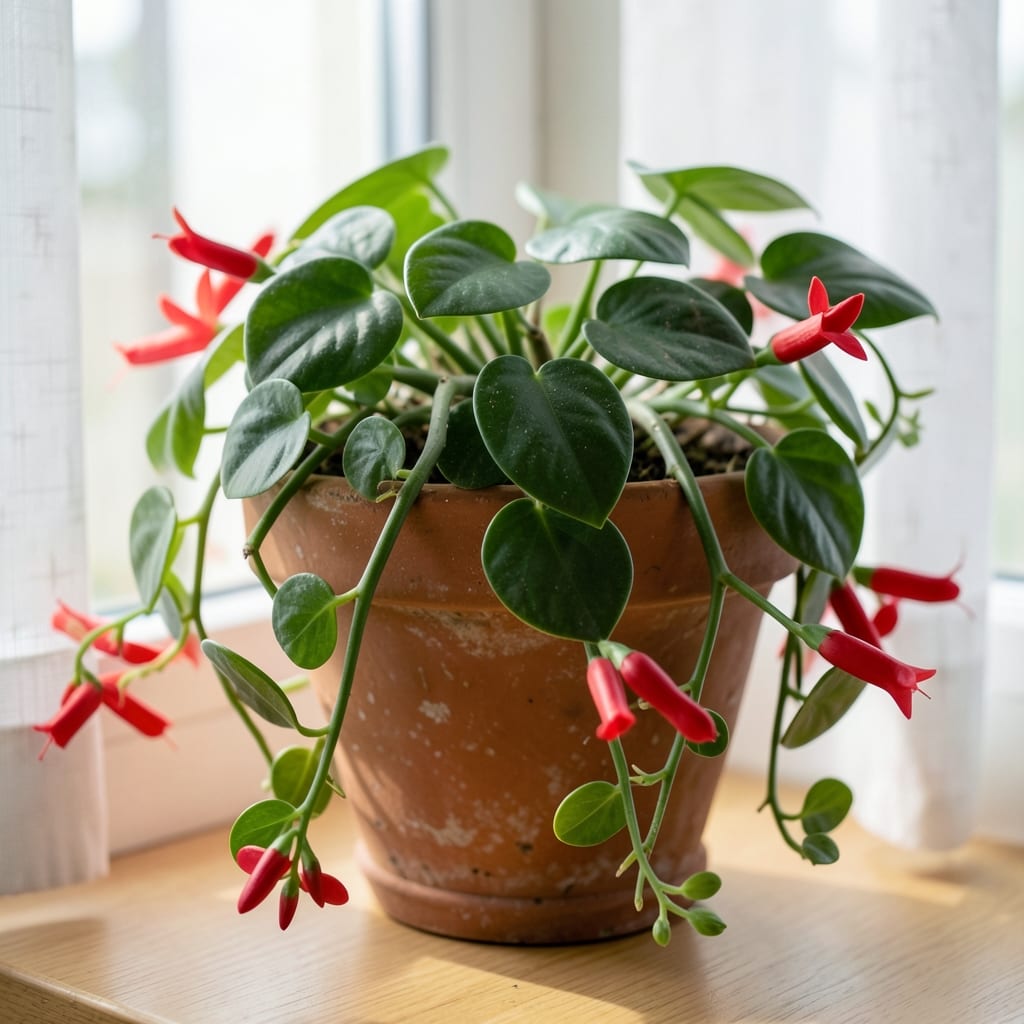
If your Lipstick Plant 🌿 (Aeschynanthus radicans) is struggling—drooping leaves, faded colors, or stunted growth—chances are, its light needs aren't quite right. This tropical beauty thrives in bright, indirect light, but too much sun can scorch its delicate foliage, while too little leaves it weak and leggy.
Figuring out the perfect balance is easier than you think. Whether you're growing yours indoors near a window or outdoors in USDA Zone 6a, I’ll break down exactly how much light your Lipstick Plant needs to stay vibrant and healthy. No more guessing—just clear, actionable tips to keep those striking red flowers blooming.
We’ll cover everything from ideal light conditions to spotting signs of over- or under-exposure, so you can adjust your setup with confidence. Ready to give your plant the perfect spot? Let’s dive in.
From east-facing windows to grow lights, I’ll show you how to create the ideal environment—whether your Lipstick Plant is basking in morning sun or tucked safely in filtered shade. Your plant’s happiness (and those gorgeous blooms) depend on it!

Ideal light conditions for lipstick plants: bright indirect light explained
The Lipstick Plant (Aeschynanthus radicans) thrives in bright indirect light, mimicking its natural understory habitat in tropical forests. This means it needs plenty of light—but never harsh, direct rays that can burn its tender leaves. Think of it like a sunbathing enthusiast who prefers a beach chair under an umbrella rather than full midday exposure.
For most gardeners, an east-facing window is the gold standard, offering gentle morning sun without the intensity of afternoon heat. If you only have a west-facing window, position your plant 3-4 feet away to filter the stronger afternoon light. South-facing windows can work too, but use a sheer curtain to diffuse the light and prevent leaf scorch.
Here’s how to spot if your plant’s light conditions are just right, too little, or too much:
| Light Condition | Leaf Color | Growth Pattern | Solution |
|---|---|---|---|
| Bright Indirect Light (Ideal) | Deep green with vibrant red blooms | Compact, bushy growth | Perfect! No changes needed. |
| Low Light (Too Little) | Pale green or yellowing | Leggy, sparse growth; few blooms | Move to brighter spot or use grow lights. |
| Direct Sun (Too Much) | Brown or crispy edges | Stunted growth; wilting | Move to indirect light or add sheer curtain. |
If your Lipstick Plant is struggling with low light, consider supplementing with a grow light. LED grow lights with a 5000-6500K color temperature mimic natural sunlight and can be placed 12-18 inches above the plant for 12-14 hours daily. This is especially helpful in winter months when natural light is scarce.
Seasonal adjustments are key too. In summer, when sunlight is intense, your plant might need to be moved further from the window or shaded with a light curtain. Conversely, in winter, you might need to rotate the pot every few weeks to ensure even light exposure, preventing lopsided growth.
Pro tip: If you notice your plant stretching toward the light (a sign of etiolation), it’s begging for more brightness. But if the leaves start developing yellow patches or brown spots, it’s getting too much direct sun. The goal is to strike that perfect balance where your plant stays lush, green, and blooming.
For gardeners in USDA Zone 6a, outdoor growing is possible in summer months (April-October), but always choose a location with dappled shade—like under a tree canopy or on a shaded patio. Avoid placing it in full sun, even for short periods, as the leaves can scorch within hours.
Remember, the lipstick plant’s vibrant blooms are a sign it’s happy with its light conditions. When you see those striking red flowers, you’ll know you’ve nailed the perfect spot! 🌿
How to adjust light for different lipstick plant varieties and growth stages
Not all Lipstick Plants have the same light preferences, and their needs change as they grow. The most common variety, Aeschynanthus radicans, thrives in bright indirect light, but its close cousin, A. pulcher, can tolerate slightly lower light conditions—though neither enjoys harsh direct sun. Understanding these differences helps you tailor care to your specific plant.
For seedlings and young plants, start with gentler light conditions (like a north-facing window or under a sheer curtain) to prevent shock. As they mature, gradually increase light exposure over 2-4 weeks to avoid stress. Mature plants, especially those in flowering stage, need the most light—up to 6 hours of bright indirect light daily—to produce those iconic red blooms.
🌱 Varietal Light Needs
✅ Bright indirect (east/west window)
✅ 6+ hours daily
❌ Avoid direct sun
✅ Medium indirect (filtered light)
✅ 4-5 hours daily
⚠️ Tolerates slight shade
🌱 Growth Stage Adjustments
✅ Low to medium light
✅ 2-3 hours daily
❌ Avoid direct sun
✅ Bright indirect (6+ hours)
✅ East/west exposure
⚠️ Rotate pot weekly
If your Lipstick Plant develops long, leggy stems with sparse leaves, it’s a classic sign of light deprivation. This happens when seedlings or young plants don’t get enough light, causing them to stretch toward any available source. To fix it, move the plant to a brighter spot immediately and supplement with a grow light if needed. Prune the leggy stems back by 1/3 to encourage bushier growth.
On the flip side, yellowing leaves or brown edges signal too much direct sun. Unlike sun-loving plants, Lipstick Plants can’t handle even brief exposure to harsh rays. If you notice these signs, relocate your plant to a shadier spot or add a light sheer curtain to diffuse the intensity. For outdoor plants, afternoon sun (after 2 PM) is especially risky—move them to a location with dappled shade by late morning.
Pro tip: Use a light meter (or your phone’s light sensor app) to measure light levels. Aim for 1,000-3,000 foot-candles of brightness for optimal growth. If your space falls short, a 15W LED grow bulb placed 12 inches away can make all the difference during winter months when natural light is dim.
For gardeners in USDA Zone 6a, transition outdoor plants gradually in spring. Start with 2-3 hours of morning sun and increase exposure by 1 hour weekly to harden them off. This prevents sunburn and shock, ensuring your plant adjusts smoothly to outdoor conditions. With the right light balance, your Lipstick Plant will reward you with vibrant blooms and lush foliage all season long! 🌺