
Companion Plants
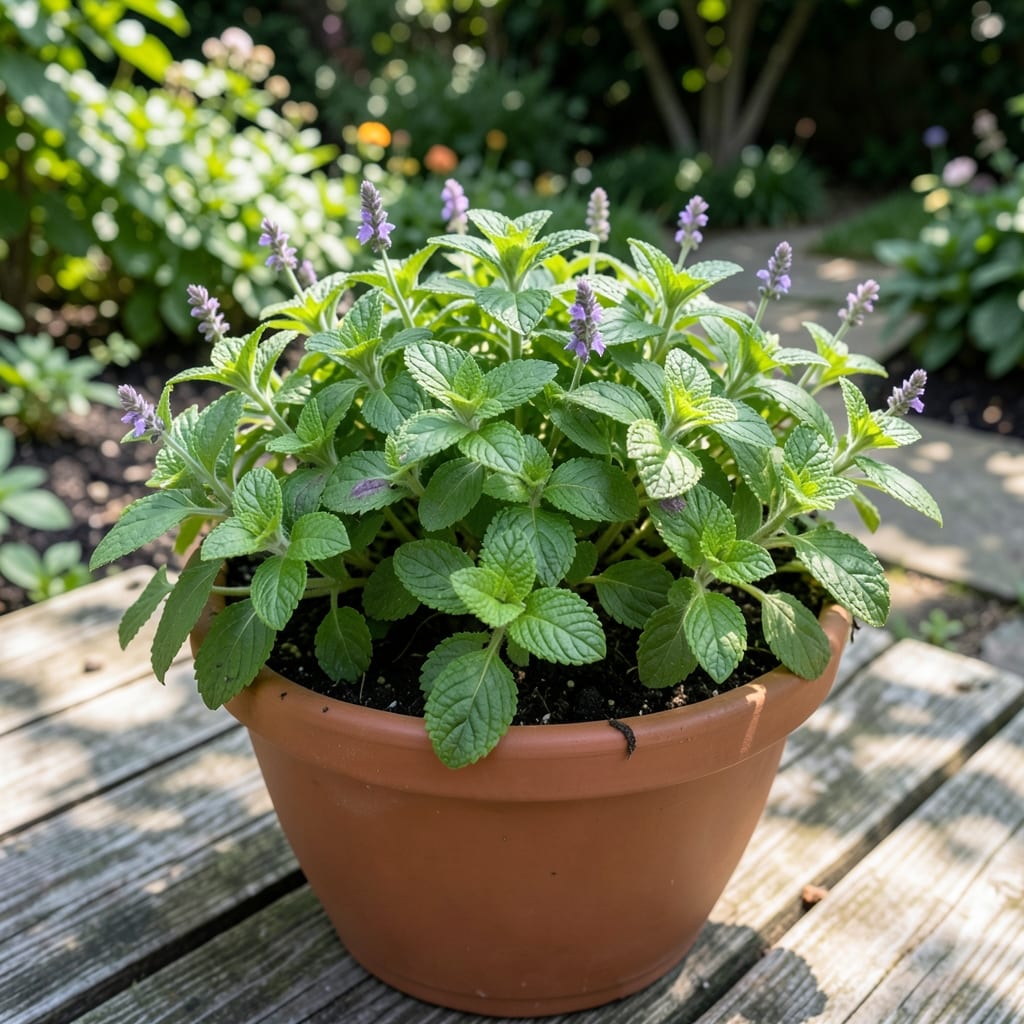
Ideal sunlight requirements for mint plants: the 4-6 hour rule
Mint thrives in partial shade, making it perfect for gardeners who want vibrant herbs without harsh sun exposure. Unlike sun-hungry plants like basil, mint prefers 4-6 hours of direct sunlight daily—any more risks scorching those tender leaves. This sweet spot balances photosynthesis for growth while preventing stress.
Think of mint’s ideal light as a morning coffee: bright enough to energize but not overwhelming. East-facing windows or dappled shade under trees create this perfect environment. If your mint starts stretching toward the light, it’s begging for more brightness—but don’t overdo it.
In hot climates (Zones 8-10), mint appreciates afternoon shade to avoid leaf burn. I’ve seen mint plants in full sun wilt by noon, while shaded counterparts stayed lush. The key is observing your plant’s response—adjust gradually to avoid shock.
Mint’s photosynthesis efficiency peaks with moderate light intensity. Too little light slows growth, while too much triggers oxidative stress. The 4-6 hour rule isn’t rigid; mint can tolerate 3 hours in shady spots or 7 hours with afternoon shade.
🌿
| Light Condition | Daily Sunlight | Growth Impact | Best For |
|---|---|---|---|
| Partial Shade | 4-6 hours | Optimal growth, strong flavor | Outdoor gardens, containers |
| Morning Sun | 3-4 hours | Slower growth, milder taste | North-facing windows |
| Full Sun | >6 hours | Leaf burn, stunted growth | Avoid in hot climates |
| Deep Shade | <2 hours | Leggy stems, weak flavor | Basements, dark corners |
Seasonal adjustments are crucial. In spring and fall, mint handles 6 hours of sun beautifully, but summer’s intense rays demand afternoon shade. I once grew mint in a south-facing window and had to move it after just 2 hours of afternoon sun—its leaves turned crispy within days.
For container-grown mint, rotate pots weekly to ensure even light exposure. Uneven growth (one side darker) signals light imbalance. A simple trick: place containers on a turntable or lazy Susan near your east-facing window for balanced growth.
Mint’s flavor intensity correlates with light exposure. Plants in 4-6 hours of sun develop the strongest aroma, while those in shade taste milder. If you’re growing mint for culinary use, prioritize that sweet spot—your tea and cocktails will thank you.
🌱
Pro tip: Use a light meter app (like Light Meter Pro) to measure your space’s light levels. Aim for 10,000-15,000 lux during peak hours. If readings drop below 5,000 lux, supplement with a grow light for 4-6 hours daily.
Remember, mint’s light needs are flexible but not forgiving. Gradual adjustments prevent shock—never move a mint plant from shade to full sun overnight. Observe, adapt, and your mint will reward you with vibrant, fragrant foliage all season long.
Signs your mint plant is getting too much or too little light
Your mint plant speaks volumes through its leaves—you just need to know what to listen for. Yellowing leaves often signal overwatering or too much sun, while pale, stretched stems scream for more light. These visual cues are your plant’s way of saying, "Adjust my conditions, or I’ll struggle!" Let’s decode the signs so you can act fast.
🌿
⚠️ Warning: Light Stress in Mint
Too Much Sun: Crispy, brown leaf edges; wilting by midday; rapid browning.
Too Little Light: Leggy stems; sparse, pale leaves; slow growth; stems stretching toward light.
Action: Move plant gradually—never shock it with sudden changes.
If your mint’s leaves develop brown, crispy edges, it’s begging for shade. This is classic sunburn, where intense rays damage the plant’s cells. I’ve seen mint leaves turn from vibrant green to brown and brittle in just a few hours of afternoon sun. The fix? Move it to a spot with morning sun only or filter light through a sheer curtain.
On the flip side, leggy stems and small, pale leaves mean your mint is reaching for light. This happens when plants don’t get enough brightness to fuel photosynthesis. The stems elongate as they stretch toward the nearest light source, creating a weak, spindly structure. To help, place your mint near an east-facing window or supplement with a grow light 6-12 inches away for 6 hours daily.
Another red flag? Yellow leaves with green veins. This classic nutrient deficiency often stems from poor light absorption. When mint can’t photosynthesize efficiently, it struggles to take up nutrients from the soil. Boost light exposure and fertilize lightly with a balanced 10-10-10 mix to restore health.
💧
Pro tip: Use your fingers as a guide. Gently pinch a leaf—if it feels thin and papery, your mint is light-starved. If it’s thick and leathery with crisp edges, it’s getting too much sun. The ideal leaf should be medium-green, plump, and slightly fuzzy—like the mint you’d find at a farmer’s market.
Remember, mint is resilient but not invincible. Gradual adjustments are key—move pots a few inches at a time over a week to avoid shocking the plant. Watch for these signs, and your mint will reward you with lush, flavorful growth all season long.