
Plants
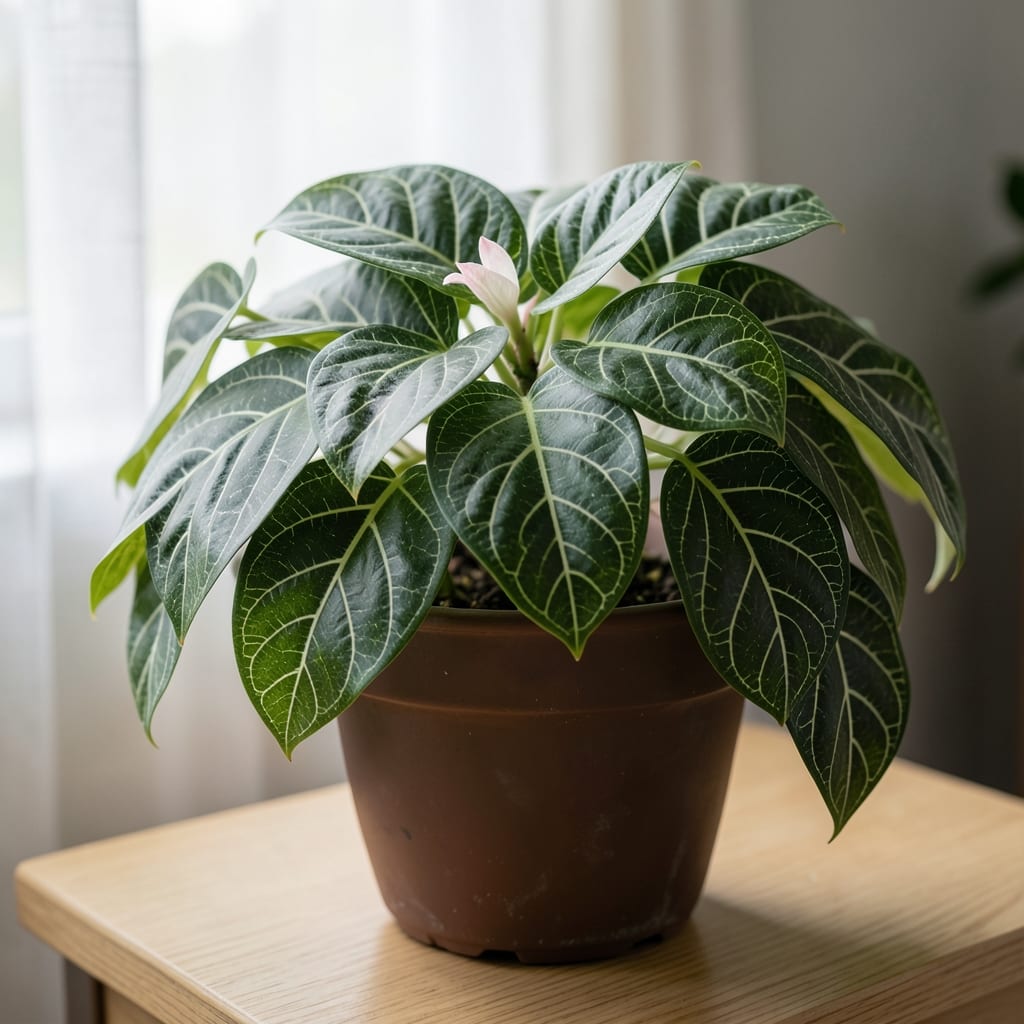
If your nerve plant 🌿 looks sad—pale leaves, stretched stems, or dull colors—you’re probably guessing wrong about its light needs. The truth? This stunning foliage plant thrives in bright indirect light, not harsh sun or dim corners, and most people get it wrong.
I’ve seen too many plant parents overcorrect by shoving their nerve plant in direct sunlight, only to watch it crisp at the edges. Or worse, hiding it in a shadowy bathroom corner where it slowly fades into a ghostly version of itself. The key isn’t just any light—it’s the right balance of brightness and gentleness.
What you’ll discover here are the exact light conditions your nerve plant craves, plus how to spot when it’s begging for more (or less!) brightness. No more guesswork—just lush, vibrant growth that makes your plant the star of the room.
Ready to transform your nerve plant from struggling to stunning? Let’s fix this once and for all.

Optimal light requirements for nerve plants: finding the perfect bright indirect spot
Your nerve plant 🌿 isn’t just another houseplant—it’s a light diva that demands bright indirect sunlight to show off its stunning veined leaves. Too little light, and those vibrant colors fade. Too much, and you’ll get crispy edges. The key lies in understanding its light spectrum needs (400-700nm) and ideal intensity (1000-2000 lux).
Think of your nerve plant’s light needs like a goldilocks zone: not too harsh, not too dim, but just right. Direct midday sun acts like a tanning bed—too intense—and leaves will scorch. Meanwhile, dim corners make the plant stretch toward the light, creating leggy, weak growth. The solution? Mimic the dappled shade of a forest understory.
Here’s the science: Nerve plants thrive under 4-6 hours of bright indirect light daily. This means placing them near an east-facing window (morning sun) or a few feet back from a south-facing window. If you’re unsure about your space, use a light meter app to check lux levels—aim for 1000-2000 lux.
Pro tip: Rotate your plant quarter-turns weekly to ensure even growth. Uneven light exposure causes lopsided foliage, and no one wants a crooked nerve plant 🌿 ruining their aesthetic.
| Light Requirement | Specification | Ideal Conditions |
|---|---|---|
| Light Type | Bright Indirect | East/west-facing windows or 3-5 ft from south window |
| Light Spectrum | 400-700nm | Mimics natural daylight for vibrant foliage |
| Intensity | 1000-2000 lux | Check with a light meter app |
| Daily Duration | 4-6 hours | Morning sun preferred; avoid afternoon heat |
| Direct Sun Tolerance | Short bursts only | Max 1-2 hours of morning sun; avoid afternoon rays |
If your home lacks natural light, don’t despair. Grow lights 💡 can save the day! LED grow lights with a 5000-6500K color temperature mimic sunlight perfectly. Place the light 6-12 inches above your nerve plant and provide 12-14 hours of light daily. I’ve used these for my own collection, and the difference is night-and-day.
Watch for color changes in your plant’s leaves—they’re the best barometer. Healthy nerve plants boast deep pink, purple, or red veins against green or white backgrounds. If those colors start fading, it’s a cry for more light. Conversely, yellowing or crispy edges mean you’ve overdone it.
Remember: consistency is key. Sudden changes in light can shock your nerve plant, causing stress. Move it gradually over 1-2 weeks if adjusting locations. Patience pays off—your plant will thank you with lush, vibrant growth.
Now that you’ve got the science down, let’s tackle the practical side. Where exactly should you place your nerve plant in your home? The answer depends on your room’s natural light—and I’ll break it down in the next section. Trust me, you’ll spot the perfect spot in no time!
Signs your nerve plant isn't getting enough light (and how to fix it)
Your nerve plant 🌿 might be silently screaming for help if you’ve ignored its light needs. The most common red flag? Pale, washed-out leaves that lose their signature vibrant veins. This happens when your plant stretches toward light sources, creating long, leggy stems with sparse foliage. It’s like your nerve plant is doing yoga to reach the sun—but it’s not getting the nutrients it needs to stay strong.
Another dead giveaway: small, dull leaves that look more like sad green scraps than the striking foliage you fell in love with. These leaves often appear thinner and less colorful than usual, almost as if they’re fading into invisibility. If you notice your plant’s growth slowing down or new leaves emerging tiny and weak, it’s time to act.
Here’s the kicker: many plant owners mistake light deficiency for underwatering. A thirsty nerve plant wilts and droops, but a light-starved one stretches upward with weak, rubbery stems. The fix isn’t more water—it’s more (or better) light. Think of it like a vitamin D deficiency in humans: your plant needs the right exposure to thrive.
🚨 Warning: Common Light Mistakes
❌ Placing near a south-facing window without shade → Leads to sunburned leaves and crispy edges.
❌ Hiding in a dark corner → Causes leggy growth and faded colors.
❌ Sudden light changes → Stresses the plant, causing leaf drop or yellowing.
✅ Solution: Move gradually over 1-2 weeks to adjust light exposure.
If your nerve plant is begging for more light, start by relocating it closer to a window. East-facing windows are ideal because they provide gentle morning sunlight without the harsh afternoon heat. For south-facing windows, place your plant 3-5 feet back to filter the intensity. If you’re still not seeing improvement, consider adding a sheer curtain to diffuse harsh rays while keeping brightness.
For those without ideal natural light, LED grow lights 💡 are a game-changer. Look for full-spectrum bulbs with a 5000-6500K color temperature and position them 6-12 inches above your plant. Run them for 12-14 hours daily to mimic daylight. I’ve tested this setup with my own nerve plants, and the results—richer colors and bushier growth—speak for themselves.
Pro tip: Rotate your plant weekly to ensure even light exposure. Uneven growth is a classic sign of light imbalance, and no one wants a lopsided showstopper. With these adjustments, your nerve plant will bounce back in 2-4 weeks, regaining its vibrant hues and compact shape.
Now that you’ve spotted the signs and know how to fix them, let’s dive into the best room-by-room placements for your nerve plant. Whether you’re in a sun-drenched kitchen or a dimly lit living room, I’ve got the perfect spot to keep your plant thriving.