
Light Requirements
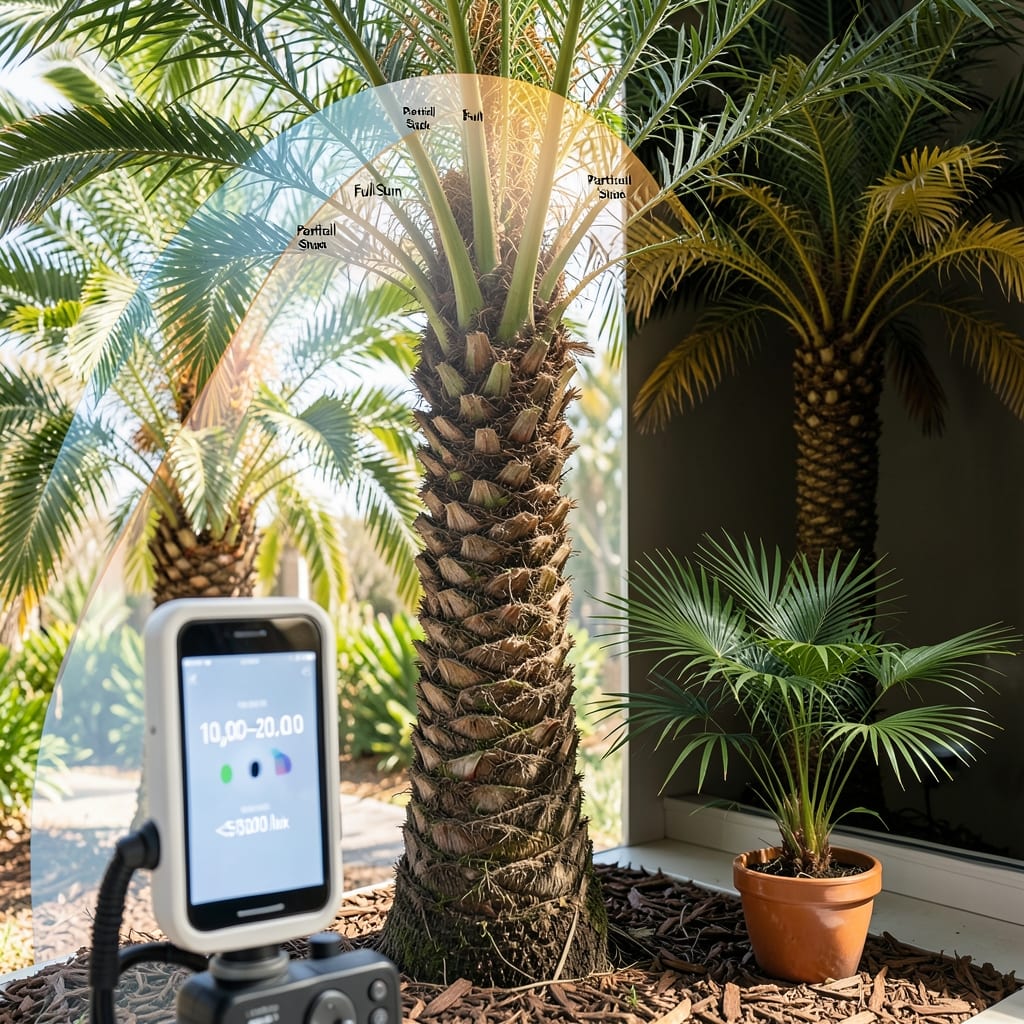
How much light does a palm plant need to survive—and why is it the #1 reason palms die? If your 🌴 has been looking sad lately, you’re not alone. Most people assume palms just need "sunlight," but the truth is far more nuanced. Some varieties thrive in bright, indirect light, while others need direct sun to stay healthy, and getting it wrong can lead to yellowing fronds or stunted growth.
Here’s the kicker: indoor palms often struggle because home lighting is nothing like their natural tropical habitats. Without the right conditions, even the hardiest species like the Areca or Majesty palm can start to decline. The good news? With a few simple adjustments—like choosing the right spot or using grow lights—you can give your palm the perfect light balance. Let’s break down exactly what your specific palm variety needs to stay lush and vibrant.
Whether you’re dealing with a low-light apartment or a sun-drenched patio, understanding the light spectrum for palms makes all the difference. We’ll cover the ideal conditions for common varieties, how to spot signs of light stress, and practical tips to keep your palm thriving year-round. No more guesswork—just a clear, actionable guide to keep your 🌴 happy and healthy.
Ready to transform your palm from "meh" to magnificent? Let’s dive into the light requirements that will have your plant reaching for the sky—literally. Your palm’s future starts with the right lighting, and we’ve got you covered.

Palm plant light requirements by variety: low to bright indirect sun spectrum
Palms are tropical divas—they love light, but not all of them have the same taste. Some bask in bright indirect sunlight like a sunbathing cat, while others prefer the gentle glow of a shaded corner. The key is understanding your specific palm variety’s light spectrum needs, which can mean the difference between a thriving 🌴 and a struggling one. Let’s break down the ideal light conditions for 12 popular palm species, including placement tips and warning signs of light stress.
Most palms fall into three broad categories: low-light tolerant, medium-light adaptable, and bright-light lovers. Misjudging these needs often leads to yellowing fronds, slow growth, or even death. For example, a Parlor palm can handle dim corners, while a Majesty palm will beg for more sunlight. Knowing your palm’s preferences saves time and frustration—and keeps your plant happy.
Here’s a quick rule of thumb: Indoor palms typically need 10-15 feet of distance from a south-facing window to avoid leaf scorch, while east or west windows offer gentler light. Outdoor palms, on the other hand, often crave 6+ hours of direct sunlight daily. The challenge? Mimicking these conditions indoors without frying your leaves. Let’s dive into the specifics so you can place your palm in its perfect light zone.
🌱
| Palm Variety | Ideal Light Conditions | Tolerance Range | Warning Signs | Best Placement | ||||||||||||||||||||
|---|---|---|---|---|---|---|---|---|---|---|---|---|---|---|---|---|---|---|---|---|---|---|---|---|
| Parlor Palm (Chamaedorea elegans) | Low to medium indirect light | 10-15 ft from east/west window | Yellowing fronds, slow growth | North-facing room or under grow lights | ||||||||||||||||||||
| Areca Palm (Dypsis lutescens) | Bright indirect light | 5-10 ft from south window | Brown leaf tips, leggy stems | East or west window with sheer curtain | ||||||||||||||||||||
| Kentia Palm (Howea forsteriana) | Medium to bright indirect | 8-12 ft from south window | Yellow patches, curled fronds | Indirect sunlight near a large window | ||||||||||||||||||||
| Majesty Palm (Raphis excelsa) | Bright indirect to partial shade | 6-10 ft from east/west window | Brown frond edges, slow growth | Bright room with filtered light | ||||||||||||||||||||
| Bismarck Palm (Bismarckia nobilis) | Full sun to partial shade | Outdoor: 6+ hours direct sun | Scorched leaves, weak fronds | Outdoor patio or south-facing garden | ||||||||||||||||||||
| Ponytail Palm (Beaucarnea recurvata) | td style="padding: 8px; border-bottom: 1px solid #ffcc00;">Full sun to partial shadeOutdoor: 6+ hours direct sun | Sunburnt spots, drooping leaves | Bright, sunny windowsill or outdoor | |||||||||||||||||||||
| Date Palm (Phoenix dactylifera) | Full sun | Outdoor: 8+ hours direct sun | Yellow fronds, weak trunk | Outdoor in warm climates | ||||||||||||||||||||
How to test and adjust light conditions for your palm plantNot all indoor spaces are created equal when it comes to light exposure. That’s why your palm plant might be thriving in your neighbor’s home but struggling in yours. The key is understanding how to test your space’s natural light and make adjustments—whether through window placement or grow lights. Start by observing your home’s light patterns throughout the day, especially near potential palm spots. East-facing windows provide gentle morning sun, while south-facing windows offer intense midday rays. If your palm is near a window, use a simple shadow test: place a small object (like a pencil) on the windowsill and mark its shadow every few hours. This reveals how much direct vs. indirect light hits the spot. Most palms prefer bright, indirect light, but some varieties can handle direct sun for short periods. For example, a Kentia palm will tolerate lower light levels, while a Majesty palm needs more intensity. If your palm’s fronds are turning yellow or growing leggy, it’s likely not getting enough light. On the flip side, brown tips or crispy edges signal too much direct sun. The solution? Rotate your palm every few weeks to ensure even growth and adjust its distance from the window based on its variety’s needs. 🌱
If your home lacks natural light, don’t despair—grow lights are a game-changer. For palms, LED grow lights are the best choice because they mimic natural sunlight while using less energy. Look for lights with a full-spectrum range (400-700nm), which supports photosynthesis. Place the light 12-18 inches above your palm and keep it on for 12-14 hours daily. Fluorescent grow lights are another budget-friendly option, though they may require closer placement (6-12 inches). Avoid incandescent bulbs—they emit too much heat and not enough usable light for your palm’s needs. Seasonal changes also impact light exposure. In winter months, shorter daylight hours can leave your palm feeling deprived. Supplement with a grow light or move it closer to the brightest window in your home. Conversely, in summer, direct sunlight can become too intense, especially for indoor palms. Use sheer curtains to diffuse harsh rays while still allowing plenty of light to filter through. Pro tip: If your palm is outdoors during summer, monitor it closely—afternoon sun (2 PM onward) can scorch delicate fronds, even for sun-loving varieties like the Majesty palm. Finally, don’t overlook the humidity factor. Palms thrive in environments with 40-60% humidity, and low humidity can stress them out, making them more sensitive to light fluctuations. Pair your lighting adjustments with a humidifier or place a tray of water with pebbles near your palm to create a microclimate. This small tweak can make a big difference in how well your palm adapts to its new light conditions. With these tips, you’ll be well on your way to giving your palm the perfect balance of light and care it deserves. ☀️ |