
Light Requirements
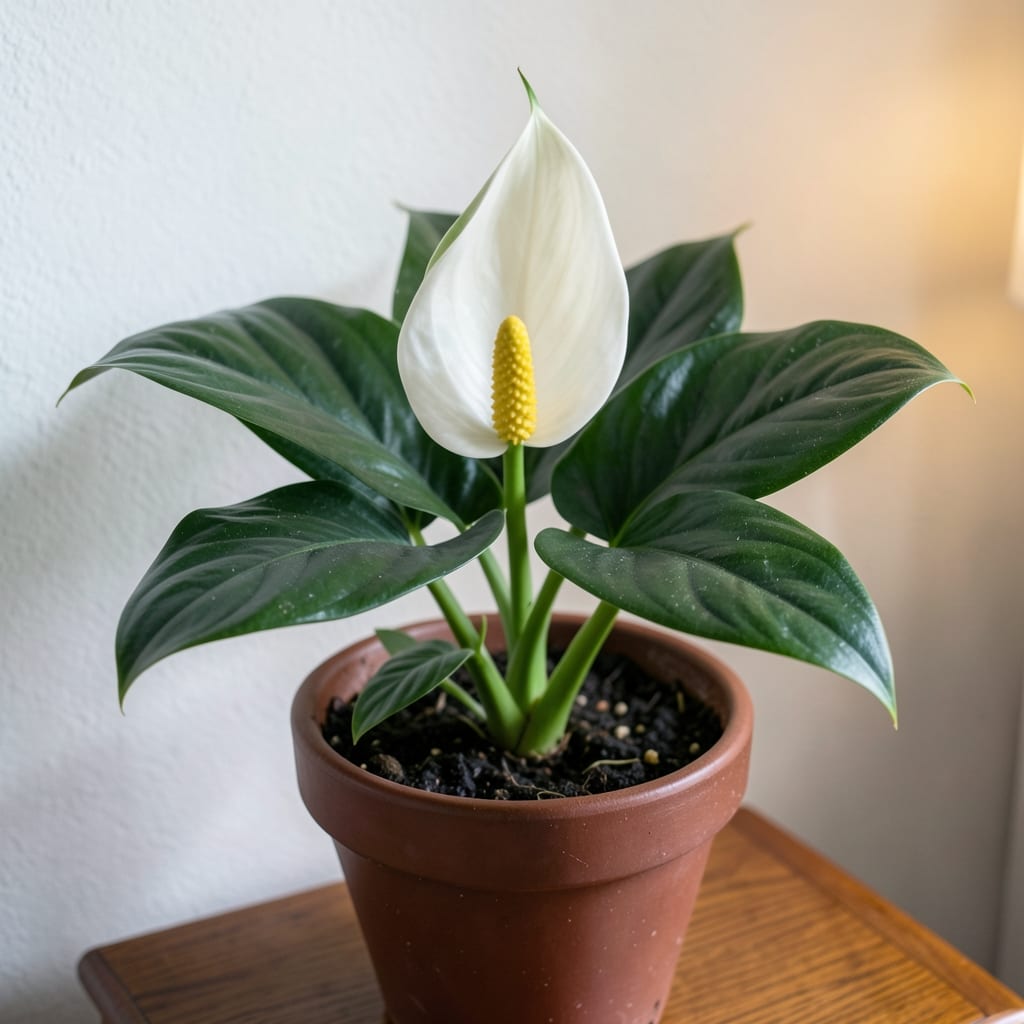
If your peace lily 🌿 keeps struggling to thrive, you're probably dealing with the wrong lighting—because how much light does a peace lily plant need is the secret to keeping it happy and blooming. Most people assume these plants can handle just any light, but the truth is, they’re picky about their glow-up conditions.
Peace lilies are masters of low-light survival, but that doesn’t mean they’ll flourish in dim corners forever. The sweet spot is bright, indirect light—think morning sun or a spot near a north-facing window. Too much direct sunlight? Watch those leaves crisp up like toast. Too little? You’ll see drooping, pale foliage that screams for help.
Here’s the good news: even if your home is on the darker side, I’ll show you how to tweak lighting without buying fancy grow lights. We’re talking simple fixes like rotating your plant or choosing the right spot in your office or bathroom. Let’s get your peace lily back to its lush, leafy best—without guessing games.
Ready to turn your plant’s sad saga into a success story? I’ll break down the exact light levels, warning signs, and pro tips so you can finally keep your peace lily thriving. No more wilting—just happy, healthy growth.

Peace lily light requirements: the perfect balance for healthy growth
Your peace lily thrives in bright, indirect light—the kind you’d find near a north-facing window where sunlight filters gently through sheer curtains. This low to medium light tolerance makes it perfect for offices, bathrooms, or dimly lit living rooms. The key is avoiding harsh direct sunlight, which can scorch those beautiful dark green leaves and cause crispy edges.
Think of peace lilies as the goldilocks of houseplants—not too much light, not too little, but just right. Too little light leads to weak stems and sparse blooms, while too much causes leaf bleaching and stress. Even in low-light conditions, they’ll survive, but they won’t reach their full potential without the right balance.
For optimal growth, aim for 2-4 hours of indirect light daily. This could mean placing your plant a few feet away from an east or north window, where morning light is softer. If your home lacks natural light, don’t worry—we’ll cover artificial lighting solutions later to keep your peace lily happy year-round.
Here’s a quick rule of thumb: if your peace lily’s leaves are dark green and glossy, you’ve nailed the light balance. If they’re turning pale or yellow, it’s time to adjust. And if you notice brown patches or crispy tips, you’re likely giving it too much direct sun.
| Light Condition | Ideal Location | Plant Response | Adjustment Needed |
|---|---|---|---|
| Bright Indirect Light | North or east window, 2-4 ft away | Dark green leaves, glossy, blooms | Perfect! No changes needed. |
| Low Light | Bathroom, office corner, away from windows | Pale leaves, weak stems, no blooms | Move closer to a window or add grow light. |
| Direct Sunlight | South or west window, no filter | Brown spots, crispy edges, yellowing | Move to indirect light or use sheer curtain. |
| Artificial Light | LED grow bulb, 6-8 inches away | Healthy growth, minimal stress | Use full-spectrum LED for best results. |
Seasonal changes can also affect your peace lily’s light needs. During winter, when natural light is scarce, you might notice slower growth or fewer blooms. This is normal, but supplementing with a simple LED grow bulb can keep your plant thriving. Even just 4-6 hours of artificial light can make a world of difference.
Pro tip: Rotate your peace lily quarter-turn every 2-3 weeks to ensure even growth. Plants naturally lean toward light sources, so this helps keep them upright and prevents lopsided foliage. It’s a small habit that pays off with a fuller, bushier plant.
If you’re unsure whether your space has the right light, here’s a quick test: hold a piece of white paper near your peace lily. If the light creates a soft shadow with no harsh edges, you’re in the ideal range. If the shadow is dark and sharp, move the plant farther away from the window.
Remember, peace lilies are forgiving, but they won’t reward neglect. Give them the bright indirect light they crave, and they’ll reward you with lush leaves and those iconic white blooms—proof that you’ve cracked the code on their light requirements.
Now that you know the ideal light conditions, let’s tackle the next big question: how do you spot when your peace lily isn’t getting enough light? We’ll cover the warning signs and fixes in the next section.
Signs your peace lily isn’t getting enough light (and how to fix it)
Your peace lily 🌿 is like a mood ring—it wears its light struggles on its leaves. If yours is looking pale, leggy, or just plain sad, it’s probably begging for more brightness. The most common sign of light deprivation is yellowing leaves, especially on the older ones. This happens when your plant can’t produce enough chlorophyll to sustain itself, forcing it to shed underperforming foliage.
Another dead giveaway? Weak, sparse stems that stretch toward the nearest light source like a sunflower chasing the sun. This is called etiolation, and it’s your peace lily’s way of saying, “I need more glow!” Without enough light, the stems grow long and thin, leaving your plant looking like a sad, stretched-out noodle instead of its usual lush self.
Here’s the kicker: even if your peace lily survives in low light, it won’t thrive. You might notice fewer or no blooms—those iconic white flowers are a direct response to light levels. If your plant has gone flowerless, it’s time to reassess its lighting situation. The good news? Fixing these issues is easier than you think.
Moving your peace lily from a dim corner to direct sunlight overnight can cause leaf scorch. Instead, gradually adjust its light exposure over 3-5 days to avoid shocking the plant. Start by placing it near a north-facing window and monitor for any browning or crispy edges.
If your peace lily’s leaves are dull and dusty, it’s another red flag. Low light weakens the plant’s natural cleaning mechanisms, making dust cling to the foliage. Wipe the leaves gently with a damp cloth every 2-3 weeks to help it absorb whatever light it does get. This simple habit can make a surprising difference in your plant’s health.
For a quick fix, try rotating your plant a quarter-turn every few days. This ensures all sides get equal exposure to light, preventing lopsided growth. Pair this with moving it closer to a window—even just a foot or two can make a world of difference. If you’re in a truly dark space, we’ll cover artificial lighting solutions in the next section to keep your peace lily blooming like a pro.
Remember, peace lilies are tough, but they’re not invincible. Pay attention to these visual cues, and you’ll catch light issues before they become serious. A little extra brightness can turn your struggling plant into a thriving showstopper—no fancy equipment required!