
Light Requirements
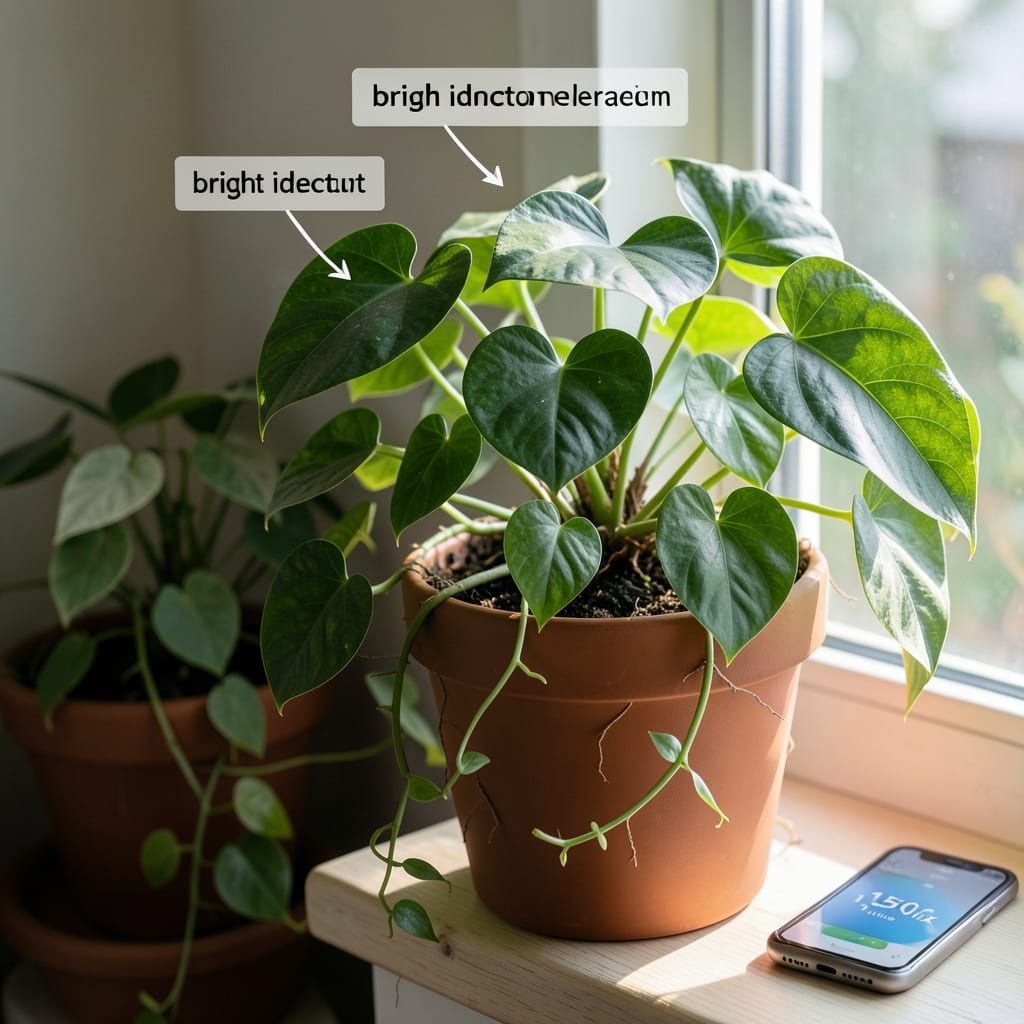
If you’re wondering how much light does a philodendron plant need, the answer could be the game-changer your struggling plant has been waiting for. 🌿 Most people assume these vines crave bright sunlight, but the truth is, Philodendrons thrive in bright, indirect light, making them perfect for indoor spaces. Too much direct sun burns their leaves, while too little dims their vibrancy. Let’s break down exactly how to strike the perfect balance for lush, happy growth.
Whether you’re dealing with a heartleaf or a dramatic split-leaf variety, understanding their light needs is the key to avoiding common mistakes. I’ll show you how to spot signs of stress and adjust your setup—no guesswork required.
From ideal window placements to artificial lighting hacks, you’ll learn how to give your Philodendron the exact conditions it craves. Ready to turn your plant’s luck around?

Philodendron light requirements: the perfect balance for healthy growth
Philodendrons are famous for thriving in low-light conditions, but that doesn’t mean they’ll tolerate dim, dark corners. These tropical plants need bright, indirect light—think of it as dappled sunlight filtering through a canopy. Without the right balance, you’ll see yellow leaves, stunted growth, or even leaf scorch from too much direct sun.
Most philodendron varieties—like the heartleaf philodendron (Philodendron hederaceum)—do best with 2-4 hours of filtered light daily. However, variegated types (like Philodendron Brasil) need slightly more light to maintain their striking patterns. Understanding these nuances is key to keeping your plant happy and vibrant.
🌿 Philodendron Light Needs at a Glance
If you’re placing your philodendron near a window, aim for a north-facing spot—this provides the gentlest light. East-facing windows work too, especially in cooler months when the sun is less intense. Avoid south- or west-facing windows unless you’re using a sheer curtain to diffuse harsh rays.
For indoor gardeners without ideal windows, grow lights are a game-changer. A 12-inch LED grow bulb (like a 2700K warm white) placed 12-18 inches above your plant mimics natural light perfectly. Run it for 10-12 hours daily to keep your philodendron thriving, even in a dim room.
One common mistake is assuming all philodendrons are the same. Variegated varieties need more light to keep their white or yellow patterns vibrant, while solid-green types can handle lower light. Pay attention to your plant’s leaf color: deep, rich green means it’s happy; pale or yellowing means it’s light-deprived.
Pro tip: Rotate your philodendron quarter-turns every 2 weeks to ensure even growth. Plants naturally lean toward light sources, so this keeps them balanced and bushy. Just avoid sudden moves—philodendrons hate light shocks, which can cause leaf drop.
Outdoor philodendrons (in USDA Zone 10+) can handle morning sun but need afternoon shade. If you’re growing one outside, place it under a tree canopy or on a shady patio. Direct afternoon sun will scorch leaves within hours, turning them crispy and brown.
Remember, philodendrons are forgiving plants, but they’ll always tell you when their light needs aren’t met. Yellow leaves? Too much light or overwatering. Dark, small leaves? Not enough light. By tuning into these visual cues, you’ll master the perfect balance for your plant’s happiness.
Signs your philodendron isn’t getting enough (or too much) light
Your philodendron’s leaves tell a story—one that’s often ignored until it’s too late. If you’ve noticed yellow leaves or brown patches, your plant might be screaming for help. Underwatering isn’t the only culprit; light stress is just as damaging. The key is learning to read these visual cues before they escalate into irreversible damage.
When a philodendron gets too little light, its leaves turn pale yellow or greenish-white, a sign of chlorosis (nutrient deficiency from poor photosynthesis). You’ll also see slow growth and long, leggy stems as the plant stretches desperately toward any available light. This is your plant’s way of saying, “Move me closer to the window!” But don’t rush it—sudden light changes can shock the plant.
On the flip side, too much direct sunlight causes leaf scorch, where edges turn crispy brown and papery. This happens most often in south- or west-facing windows during peak afternoon sun. Even variegated types like Philodendron Brasil will show faded patterns if they’re getting harsh light. The good news? These issues are usually reversible with simple adjustments.
🌿 How to Fix Light Stress Without Shocking Your Plant
⚠️ Warning: Sudden Light Changes Can Kill Your Philodendron
Philodendrons hate abrupt shifts in light. If your plant is struggling in low light, gradually increase exposure over 1-2 weeks. Move it 2-3 inches closer to light daily until it reaches the ideal spot. The same goes for moving a sunburned plant into shade—do it slowly to avoid leaf drop.
Start by assessing your philodendron’s current location. If it’s in a dim corner, try moving it 6-12 inches closer to a window over a week. For plants with sunburned leaves, trim the damaged foliage with clean, sharp scissors and relocate it to a shadier spot. Use a sheer curtain to filter harsh rays if you can’t move the plant entirely.
Another red flag is new leaves emerging smaller than older ones. This is a classic sign of light deprivation, where the plant isn’t getting enough energy to grow properly. In contrast, large, dark green leaves with visible veins mean your philodendron is thriving in its current light conditions. Pay attention to these growth patterns—they’re your plant’s way of communicating!
For variegated philodendrons, watch for loss of color in the white or yellow parts of the leaves. This means the plant isn’t getting enough light to maintain its chlorophyll balance. In these cases, a grow light can be a lifesaver, especially in winter when natural light is scarce. Just remember: 10-12 hours of artificial light daily is ideal for keeping variegation vibrant.
If you’re still unsure whether your philodendron’s issues stem from light or other factors (like overwatering or poor soil), do this quick test: Hold a white sheet of paper near the plant’s leaves. If the paper looks dim or shadowy, your plant needs more light. If it’s too bright (like harsh glare), your plant is getting too much direct sun. This simple trick helps you diagnose light issues instantly.