
Plants
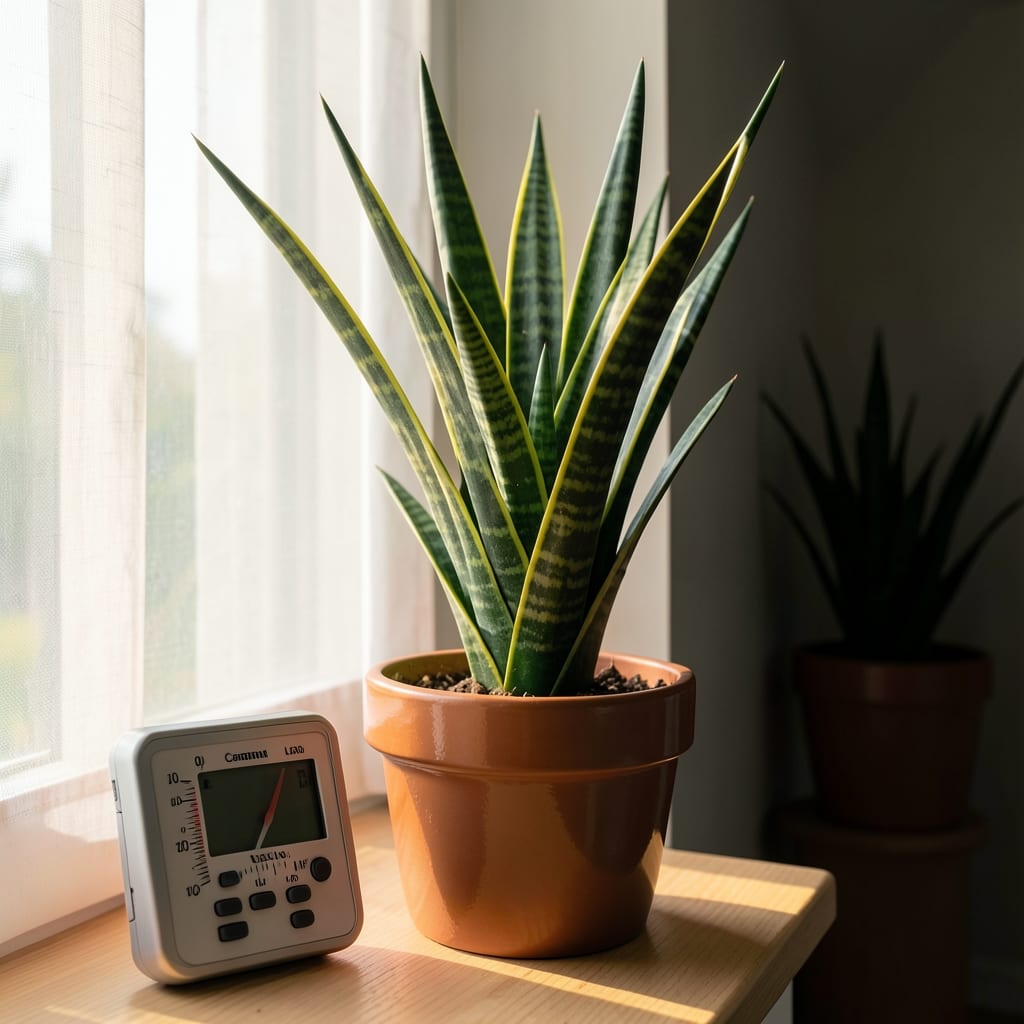
Optimal light requirements for rattlesnake plants: 3-6 hours of bright, indirect sunlight explained
The rattlesnake plant (Calathea orbifolia) thrives in bright, indirect sunlight—think of it as a plant that loves morning sunshine but needs afternoon shade. Too little light causes leggy growth and pale leaves, while too much direct sun leads to brown patches or crispy edges. The key is finding that sweet spot: 3-6 hours of filtered light daily. This mimics its natural understory habitat in tropical forests.
If you're placing your rattlesnake plant near a window, east-facing or west-facing spots are ideal. These windows provide gentle morning or late afternoon sun without the harsh midday rays. North-facing windows can work too, but you may need to supplement with a grow light for 4-6 hours daily to prevent stretching. Avoid south-facing windows unless you use a sheer curtain to diffuse the light.
One common mistake is assuming all indirect light is equal. Bright indirect light (like near an east window) is different from dim indirect light (like a corner far from windows). Your rattlesnake plant will stretch toward dim light, creating weak stems. To fix this, rotate the pot quarter-turn weekly to encourage even growth. If you notice the leaves turning dark green or developing purple undersides, it’s craving more light.
For indoor gardeners, LED grow lights are a game-changer. Place a full-spectrum LED bulb 10-12 inches above your plant and run it for 12-14 hours daily to mimic daylight. Brands like Sprout Pro or GE LED Plant Lights are budget-friendly options. If using artificial light, keep the humidity levels high (50-70%) to prevent leaf burn, as grow lights can dry out the air.
Outdoor enthusiasts can enjoy rattlesnake plants on a covered patio or under a tree canopy during spring and summer. Just avoid placing them in full sun, even for short periods. If you’re moving your plant outdoors, acclimate it gradually over 1-2 weeks by exposing it to increasing sunlight daily. Sudden changes can cause shock, leading to yellowing leaves or dropped foliage.
Pro tip: Use a light meter (like the AcuRite 00627M) to measure light intensity in foot-candles. Your rattlesnake plant prefers 200-800 foot-candles. If readings are below 200, supplement with a grow light. Above 1,000 foot-candles, move it farther away or add shade cloth. This data-driven approach removes guesswork and ensures your plant gets just the right amount of light.
Watch for these early warning signs of light issues: Yellowing leaves (too much light or overwatering), brown tips (low humidity or direct sun), or leggy stems (not enough light). Addressing these quickly can save your plant. For example, if you see brown tips, increase humidity with a pebble tray or move the plant away from heating vents.
In my own garden, I’ve found that placing rattlesnake plants 3-5 feet from an east-facing window yields the best results. The morning sun jumpstarts photosynthesis, while the afternoon shade prevents stress. Pair this with consistent watering (allowing the top inch of soil to dry between waterings) and high humidity, and your rattlesnake plant will reward you with striking, patterned leaves year-round.
Remember, every home’s lighting is unique. Experiment with placement and observe your plant’s response. With the right light balance, your rattlesnake plant will thrive, becoming a stunning focal point in your indoor jungle. 🌿
How to adjust light for different seasons: winter vs. summer care for rattlesnake plants
Seasonal changes dramatically affect your rattlesnake plant’s light needs. In winter, shorter daylight hours and weaker sunlight can leave your plant craving more light, while summer’s intense rays may scorch its delicate leaves. Understanding these shifts is key to keeping your plant thriving year-round. The goal? Maintain those 3-6 hours of bright, indirect light regardless of the season.
During winter months, natural light drops below your rattlesnake plant’s needs. If you notice leggy growth or pale leaves, it’s time to supplement. A grow light on a timer set for 12-14 hours daily mimics longer daylight. Place it 10-12 inches above the plant and use a full-spectrum LED bulb to cover all light wavelengths. This mimics the bright indirect light it craves.
In summer, the challenge shifts to protecting your rattlesnake plant from harsh midday sun. Even a few hours of direct sunlight can cause brown patches or crispy edges. If your plant is near a south-facing window, use a sheer curtain to diffuse the light. Alternatively, move it 3-5 feet back from the window or place it in a bright, shaded spot like a covered patio with dappled sunlight.
Transitioning your rattlesnake plant between seasons requires patience. If you’re moving it outdoors in spring, acclimate it gradually over 1-2 weeks. Start with 1-2 hours of morning sun and slowly increase exposure. Conversely, when bringing it indoors in fall, place it in a bright, indirect spot for a few days before exposing it to full indoor lighting. Sudden changes can cause leaf drop or yellowing.
Watch for these seasonal red flags: In winter, dark green leaves with purple undersides signal a need for more light. In summer, brown tips or wilting mean it’s getting too much sun. Adjust accordingly—move closer to a window in winter or add shade in summer. A light meter (like the AcuRite 00627M) helps track foot-candles, ensuring your plant stays in its ideal 200-800 range.
Pro tip: Group your rattlesnake plant with other low-to-medium light plants like pothos or snake plants. They’ll share similar light needs, making seasonal adjustments easier. Plus, the humidity from multiple plants creates a microclimate that benefits your rattlesnake plant’s tropical roots. 🌱
With seasonal adjustments, your rattlesnake plant will stay vibrant year-round. Think of it like dressing for the weather—too little light in winter is like wearing shorts in a blizzard, while too much summer sun is like sitting in a sauna. Get the balance right, and your plant will reward you with bold, patterned leaves that steal the show. ✂️