
Plants
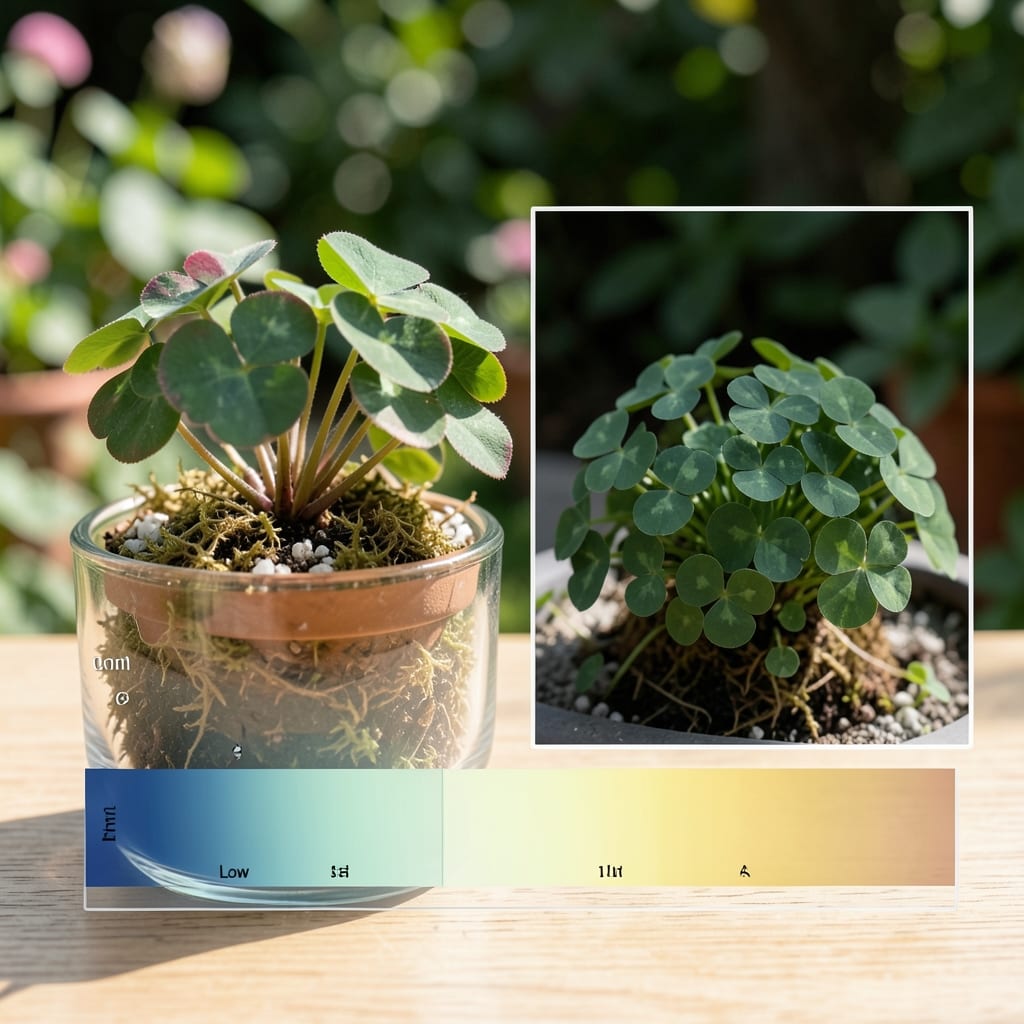
If you're wondering how much light does a shamrock plant need, the answer lies in bright, indirect light that mimics its natural spring habitat—too little or too much can stunt its growth. The key to lush, vibrant shamrock foliage isn't harsh sunlight—it's finding that perfect balance. Too little light, and your shamrock will stretch out like a sleepy cat, with weak stems and sparse leaves. But blast it with direct afternoon sun, and those delicate leaves will crisp up faster than toast in a hot pan. Finding that sweet spot is easier than you think.
I’ll break down exactly how many hours of light your shamrock needs, where to place it indoors or outdoors, and how to spot when it’s getting too much—or not enough. No guesswork, just fast, foolproof tips for shamrocks that stay perky year-round.
Whether you’re dealing with a leggy indoor plant or one struggling in shady outdoor spots, these insights will help you adjust lighting in 3 simple steps. Let’s get your shamrock thriving!

Ideal light requirements for shamrock plants: bright indirect sunlight explained
Shamrock plants (Oxalis triangularis) thrive in bright indirect sunlight, mimicking their natural woodland understory habitat. Unlike sun-loving succulents, shamrocks need 4-6 hours of filtered light daily—think morning sun with afternoon shade. This balance prevents leaf scorch while fueling photosynthesis for vibrant foliage. Too little light leads to weak, leggy growth, while too much causes crispy brown edges.
The key is light intensity, not duration. Shamrocks prefer 40-60% sunlight exposure, similar to a dappled forest floor. In my experience, placing them near east-facing windows works best—morning rays are gentler than harsh afternoon sun. For outdoor shamrocks, partial shade under trees with open canopies creates this ideal environment.
Seasonal adjustments matter too. During spring and summer, when sunlight is strongest, move shamrocks to slightly shadier spots (like under sheer curtains). In fall and winter, supplement with a grow light if natural light drops below 4 hours daily. This mimics their natural dormancy period while preventing weak growth.
Shamrocks use C4 photosynthesis, making them slightly more efficient than C3 plants (like tomatoes) in lower light. However, they still need consistent brightness to prevent etiolation—those stretched, pale stems that scream "I'm starving for light!" The trick is to rotate your plant weekly so all sides get even exposure.
For indoor growers, LED grow lights with a cool white spectrum (5000-6500K) work wonders. Position them 6-12 inches above the plant and run them for 12-14 hours daily. I’ve seen shamrocks grow 30% faster with proper grow lights versus window-only setups.
Outdoors, microclimates play a huge role. A shamrock in a container on a patio might need afternoon shade, while one in a shady garden bed could benefit from a reflective surface (like a white wall) to bounce extra light onto the leaves. Always monitor leaf color—rich green means perfect light; yellowing means too much; pale green means not enough.
Pro tip: Test your light with a simple DIY method. Place a white piece of paper under your plant for an hour. If the shadow is fuzzy and soft, you’ve got ideal indirect light. If it’s sharp and dark, move the plant farther back.
Shamrocks also respond well to natural light cycles. Unlike some houseplants, they don’t need artificial light at night. In fact, 8 hours of darkness helps them recharge. This makes them perfect for bedroom windowsills—just ensure they get their morning sun.
| Light Requirement | Specification | Ideal Setup |
|---|---|---|
| Daily Light Hours | 4-6 hours | East-facing window or filtered sunlight |
| Light Intensity | 40-60% sunlight | Dappled shade or sheer curtains |
| Best Time of Day | Morning sun (6 AM-12 PM) | Avoid afternoon sun (1 PM-5 PM) |
| Indoor Supplement | Grow light (5000-6500K) | 12-14 hours daily, 6-12" above plant |
| Seasonal Adjustments | Spring/Summer: More shade | Fall/Winter: Add grow light |
One common mistake is assuming more light is always better. Shamrocks are not sun-seekers like cacti or succulents. Over time, I’ve seen shamrocks reject excessive light by developing brown tips or drooping leaves. If you notice this, immediately move the plant to a brighter shade spot or increase humidity (they love 50-60% humidity).
For outdoor shamrocks, consider their growth habit. Since they’re clump-forming, the center leaves often get less light. To fix this, gently separate and replant the outer clumps in sunnier spots. This keeps all parts of the plant thriving. Just remember: patience is key—shamrocks grow slowly but steadily in the right light.
Finally, observe your shamrock’s natural behavior. If it’s blooming more frequently, it’s getting just the right light. Fewer blooms or all-leaf growth means it’s either too shady or too bright. Adjust gradually—sudden light changes can shock the plant. With these tips, your shamrock will reward you with lush, vibrant foliage year-round.
Signs your shamrock isn’t getting enough light (or too much)
Your shamrock plant speaks volumes through its leaves—pay attention to these tell-tale signs of light stress. If the stems stretch long and spindly while leaves grow sparse and pale green, your plant is begging for more light. This condition, called etiolation, happens when shamrocks reach for sunlight like a sleepy gardener groggily searching for coffee. The good news? Moving it to a brighter spot (but still indirect) usually reverses this within 2-3 weeks.
On the flip side, too much direct sunlight turns shamrock leaves into crispy brown paper bags. Watch for yellowing edges or white or brown patches—these are classic signs of sunburn. Unlike succulents, shamrocks can’t handle midday rays, especially between 1 PM and 5 PM. If you see these symptoms, immediately move your plant to a shadier location or add a sheer curtain to diffuse the light.
Another red flag is leaf drop. While shamrocks naturally shed older leaves, excessive dropping (especially in clusters) often signals light shock. This happens when you suddenly move a plant from low-light indoors to bright outdoor shade without acclimating it first. To prevent this, gradually increase light exposure over 5-7 days by moving the plant closer to a window or outdoor spot in stages.
🍀 Shamrock Light Stress Symptoms
- Leggy, stretched stems
- Pale, sparse leaves
- Slow or no growth
- Fewer blooms
- Brown/yellow leaf edges
- Crispy, papery leaves
- Leaf drop (clusters)
- Bleached or white patches
For indoor shamrocks, window placement makes all the difference. If your plant is near a south-facing window, it’s likely getting too much light—especially in summer. Try moving it 2-3 feet back or use a light-colored curtain to filter the rays. North-facing windows often provide too little light, so supplement with a grow light for 4-6 hours daily.
Outdoor shamrocks also show subtle clues. If the outer leaves look healthy but the center leaves are pale, your plant’s clump is too dense. Shamrocks naturally grow in clumps, and the center often gets shaded. To fix this, gently separate and replant the outer clumps in sunnier spots while keeping the center in partial shade. This mimics their natural woodland habitat where light filters through tree canopies.
One often-overlooked sign is flower behavior. Shamrocks typically bloom spring through early summer, but if they stop blooming entirely, it’s usually a light issue. Too little light = no flowers; too much light = fewer flowers. The solution? Adjust light gradually—don’t shock the plant by moving it suddenly. Instead, rotate it ¼ turn daily to ensure even exposure, and watch those tiny pink or white blooms return within 4-6 weeks.
Remember: shamrocks are not dramatic divas—they thrive on consistency. If you notice any of these signs, act within 3-5 days before the problem worsens. With the right light balance, your shamrock will reward you with vibrant, fast-growing foliage and occasional blooms that last all season.