
Companion Plants
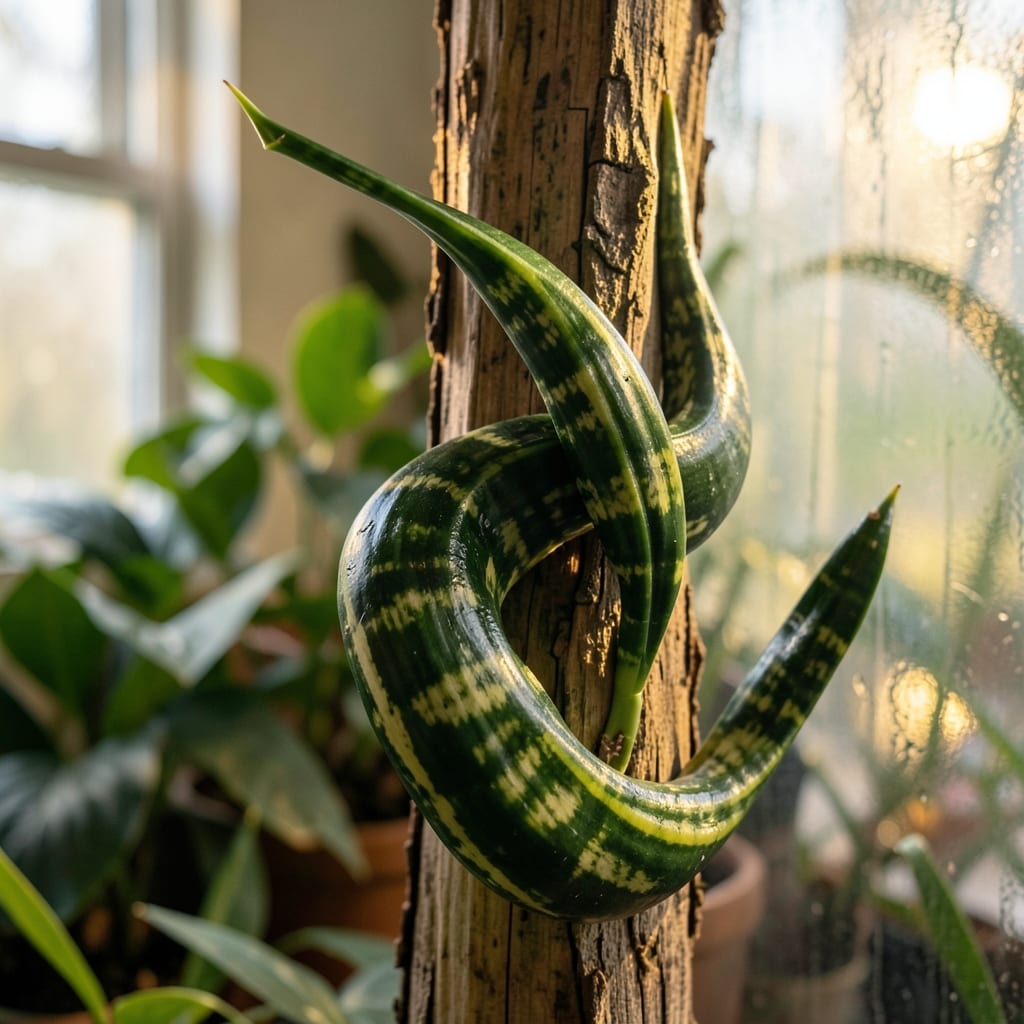
If you’ve ever wondered how much light does a snake plant require to thrive, the answer might surprise you—it’s far more flexible than most houseplants. Unlike fussy greenery that demands bright sun, snake plants happily adapt to everything from dim offices to sunny windowsills, making them the ultimate low-maintenance star of your space.
Here’s the key: while they can handle low light like a champ, they truly shine (literally) with bright indirect sunlight. Too much direct sun, and those crispy brown edges appear. Too little, and your plant might stretch awkwardly toward the light. The trick is finding that sweet spot where your snake plant stays lush and healthy year-round.
I’ll break down exactly how to spot when your plant is getting too much—or too little—light, plus the best spots in your home to place it for optimal growth. Whether you’re dealing with a shadowy corner or a south-facing window, you’ll learn how to tweak its environment for perfect results without guesswork.
Ready to turn your snake plant into the thriving, drama-free centerpiece it’s meant to be? Let’s dive into the light requirements that’ll keep it happy for years to come.


Ideal light requirements for snake plants: low to bright indirect sunlight explained
Snake plants (Sansevieria) are famous for their adaptability, but their light needs aren’t as flexible as you might think. While they can survive in low light conditions, they truly flourish with bright indirect sunlight. This means placing them near a window where they get filtered light—like through a sheer curtain—rather than harsh direct rays.
The key is understanding the light spectrum your snake plant prefers. In nature, these plants grow under the canopy of taller trees, where they receive dappled sunlight. Mimic this environment indoors by positioning them 2-3 feet from a north-facing window, where they’ll get gentle morning light without the intense afternoon sun.
If you’re unsure whether your space qualifies as "bright indirect," think about how the light feels on your skin. If it’s warm but not scorching, your snake plant will likely thrive there. Avoid south- or west-facing windows unless you’re using sheer curtains to diffuse the light.
Here’s a quick guide to understanding your snake plant’s light needs based on its growth habits:
| Light Condition | Ideal Placement | Leaf Appearance | Growth Rate |
|---|---|---|---|
| Low Light (e.g., office, bathroom) | Away from windows, under artificial lights | Dark green, slightly stretched leaves | Slow |
| Bright Indirect (e.g., north window) | 2-3 feet from window with sheer curtain | Vibrant green, upright, thick leaves | Moderate to fast |
| Direct Sun (e.g., south/west window) | Only with heavy filtering (risk of burn) | Brown tips, crispy edges, bleached spots | Stunted or stressed |
Notice how the leaf appearance changes dramatically based on light exposure? This is your plant’s way of communicating its needs. For example, if your snake plant’s leaves start looking long and leggy, it’s stretching toward a light source, signaling it needs more brightness. Conversely, brown or yellow tips mean it’s getting too much direct sun and needs to be moved back or filtered.
One common misconception is that snake plants can thrive in complete darkness. While they’re more tolerant than most plants, prolonged low light will weaken them over time. Aim for at least 2-4 hours of indirect light daily to keep your snake plant healthy and vibrant. Even artificial grow lights can help supplement natural light in dim spaces.
Pro tip: Rotate your snake plant quarter-turns every few months to ensure even growth. Plants naturally lean toward light sources, so this simple step keeps them balanced and bushier. Plus, it’s a great excuse to check the undersides of leaves for dust—clean leaves absorb light more efficiently!
If you’re still unsure about your home’s light conditions, try this test: Place a white piece of paper near your snake plant’s current spot. If the light casts a sharp shadow with distinct edges, it’s likely direct sun. If the shadow is soft and diffuse, you’ve got the perfect bright indirect light setup for your plant.
Remember, the goal isn’t to give your snake plant the most light possible—it’s to provide the right quality of light. With this balance, your plant will reward you with bold, healthy leaves and minimal fuss. 🌱
Ideal light requirements for snake plants: low to bright indirect sunlight explained
Snake plants (Sansevieria) are famous for their adaptability, but understanding their light spectrum needs is key to keeping them thriving. While they tolerate low light better than most houseplants, they truly flourish in bright indirect sunlight. This means placing them near a window where they receive filtered light—like through a sheer curtain—rather than harsh direct rays.
The magic lies in mimicking their natural habitat in West African savannas, where they experience dappled sunlight under tall grasses. In your home, this translates to 2-4 hours of morning to early afternoon indirect light per day. If your plant is near a window, position it 2-3 feet back to avoid intense midday sun, which can scorch delicate leaves.
| Light Condition | Ideal Placement | Leaf Appearance | Care Tip |
|---|---|---|---|
| Low Light (e.g., north-facing window or office) | 2-3 feet from window or in shaded corners | Dark green, upright leaves; may stretch | Rotate plant weekly for even growth |
| Bright Indirect Light (e.g., east or west window) | 1-2 feet from window with sheer curtain | Vibrant green/yellow variegation; compact growth | Water every 3-4 weeks; reduce fertilizer |
| Direct Sunlight (e.g., south-facing window) | Move to indirect light; use sheer curtain | Brown tips, crispy edges, bleached spots | Trim damaged leaves; avoid watering until recovered |
One of the easiest ways to gauge if your snake plant is getting the right light is to observe its leaf color and growth pattern. In low light, leaves may turn darker green and stretch toward the light source—a condition called etiolation. This isn’t harmful, but it signals your plant is craving more brightness. Conversely, if leaves develop yellow or brown patches, it’s a clear sign of too much direct sunlight.
For those with south-facing windows, use a sheer curtain to diffuse harsh rays while still allowing plenty of light. If your home lacks natural light, a grow light (like a full-spectrum LED) for 6-8 hours daily can mimic ideal conditions. Place the light 12-18 inches above the plant and adjust height as it grows to avoid leggy stems.
Pro tip: Snake plants in bright indirect light grow more compact and develop their signature variegated patterns. If you notice your plant’s leaves losing their yellow edges, it’s time to move it closer to a brighter spot. The goal is to balance light intensity and duration—never let it bake in midday sun or languish in a dim corner.
Remember, snake plants are forgiving, but they’ll always reward you with healthier growth when given the right light. Start by placing yours in a spot where it gets morning sun and afternoon shade, then adjust based on how it responds over a few weeks. Your plant will thank you with lush, upright leaves for years to come! 🌿