
Light Requirements
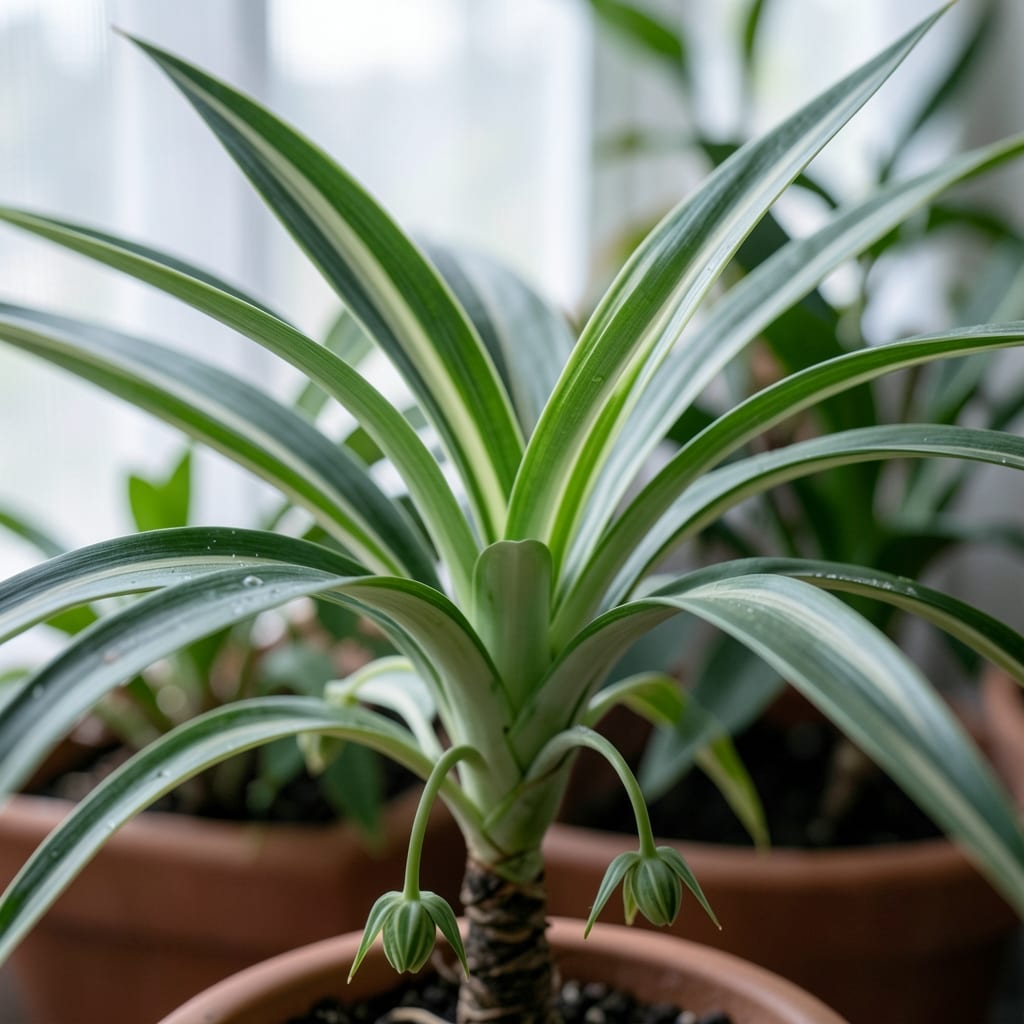
How much light does a spider plant need indoors to stay vibrant and healthy? If your 🌿 friend is stretching toward the window or looking pale, you’re probably not hitting the sweet spot—yet. This easygoing plant thrives in bright indirect light, but too little or too much can turn it into a sad, leggy shadow of itself.
Most homes fall somewhere between medium and bright indirect light, which is perfect for a spider plant. The key is placing it near an east- or north-facing window where sunlight filters gently, avoiding harsh afternoon rays that can scorch its leaves. Too little light? Your plant will grow tall and sparse. Too much? Those pretty stripes might fade or crisp at the edges.
Don’t worry if your space isn’t naturally bright—there are simple fixes to mimic ideal conditions. I’ll show you exactly where to position your spider plant, how to spot light-related stress, and even what to do if your home leans toward dim corners. With the right setup, your 🌿 will reward you with lush, striped leaves year-round.
Ready to transform your plant’s energy? Let’s break down the exact light zones your spider plant craves and how to nail them in any room—no green thumb required.


Spider plant light requirements: the 3 brightness zones for optimal growth
Your spider plant (Chlorophytum comosum) thrives in bright indirect light, but understanding the exact light zones will transform your plant from leggy to lush. Most homes fall into three brightness categories—low, medium, or bright indirect light—and each affects growth differently. Let’s break down what your plant needs to flourish.
First, identify your space’s natural light. Hold a white sheet of paper near your plant during midday. If the paper is barely visible, you’re in low light. If it’s clearly defined but not harsh, you’ve got medium light. For bright indirect light, the paper will show crisp details without direct sunburn spots. This simple test helps you match your spider plant’s needs.
Spider plants are famously adaptable, but they hate direct sunlight. Too much UV exposure causes brown leaf tips, while insufficient light leads to stretched, weak stems. The key is finding that golden middle ground—where leaves stay vibrant and offsets (baby plants) grow prolifically. Let’s explore each zone’s impact on your plant’s health.
| Light Zone | Ideal Distance from Window | Growth Characteristics | Care Adjustments |
|---|---|---|---|
| Low Light (<2,000 lux) | 10+ feet from windows | Slow growth, pale leaves, leggy stems | Rotate plant weekly, use grow lights 12 hrs/day |
| Medium Light (2,000-5,000 lux) | 3-6 feet from east/north windows | Healthy green leaves, moderate growth, occasional offsets | Water when top inch is dry, fertilize spring/summer |
| Bright Indirect (5,000-10,000 lux) | 1-3 feet from east/north windows | Dark green variegation, bushy growth, frequent offsets | Mist leaves weekly, repot every 2 years |
In low-light conditions, your spider plant will survive but struggle. You’ll notice pale, stretched leaves as it reaches for light, a condition called etiolation. To help, rotate the pot quarter-turns weekly so all sides get equal exposure. If natural light is scarce, supplement with a LED grow light (12 hours/day) to mimic sunlight. I’ve used a 10W full-spectrum bulb on my bathroom counter with great results!
For medium light, your plant will reward you with compact, vibrant growth. This is the sweet spot for most homes, especially those with east-facing windows (gentle morning sun) or north-facing windows (consistent indirect light). Place your spider plant 3-6 feet away from these windows to avoid leaf scorch. If you notice yellowing edges, it’s a sign of underwatering in bright conditions—adjust by watering when the top 1 inch of soil feels dry.
The bright indirect light zone is where spider plants truly shine—literally! Leaves develop richer variegation (those iconic white stripes), and offsets appear more frequently. Position your plant 1-3 feet from an east or north window to maximize growth without risking sunburn. South-facing windows? Sheer curtains are your best friend—they diffuse harsh rays while maintaining brightness. Pro tip: Wipe leaves monthly with a damp cloth to remove dust, which blocks light absorption.
Many beginners assume spider plants thrive in any light, but pushing them into dark corners leads to weak stems and fewer offsets. Conversely, placing them in direct sunlight causes crispy brown patches on leaves. The secret is observation: Adjust your plant’s position based on its growth patterns. If stems elongate too quickly, move it closer to light. If leaves darken or develop brown tips, back away slightly. With these adjustments, your spider plant will grow stronger and more productive every season.
Remember, spider plants are forgiving but not indestructible. Even in less-than-ideal light, they’ll adapt—but they’ll never reach their full potential. By mastering these three brightness zones, you’ll unlock bushier foliage, more offsets, and a plant that stays healthy year-round. Now go check that paper test—your spider plant’s future depends on it! 🌿
Signs your spider plant isn’t getting enough (or too much) light
Your spider plant communicates its light needs through subtle (and not-so-subtle) visual cues. Ignoring these signs can turn your vibrant 🌿 into a sad, struggling survivor. The most common red flags appear in leaves and stems, often within weeks of improper light exposure. Learn to spot these early warnings before they become permanent damage.
One of the first signs of insufficient light is leggy growth, where stems stretch dramatically toward the nearest light source. You’ll notice long, thin stems with widely spaced leaves—a clear cry for more brightness. This etiolation occurs when your plant stretches to maximize light absorption, often in low-light corners or behind heavy curtains. Another clue? Pale or yellowing leaves that lose their signature variegation, fading to a dull, uniform green.
If your spider plant is getting too much direct sunlight, watch for brown leaf tips and crispy edges. These sunburn symptoms appear first on leaves closest to the window, especially in south-facing exposures where afternoon rays intensify. Over time, you might see bleached or white patches on leaves, where chlorophyll breaks down under harsh UV exposure. Even worse, leaf scorch can cause entire sections to turn brittle and die back.
⚠️ Light Stress Warning Signs
Too Little Light: Stretched stems, pale leaves, sparse foliage
Too Much Light: Brown tips, crispy edges, bleached patches
Solution: Move plant 1-2 feet closer/farther from window; use sheer curtains
Beyond leaves, pay attention to offset production. A healthy spider plant in ideal light should produce multiple offsets (baby plants) on long stems called stolons. If you see fewer offsets or none at all, your plant isn’t getting enough light to fuel reproduction. Conversely, excessive offsets in low light often means your plant is overcompensating for poor growing conditions—a sign it’s struggling rather than thriving.
Don’t overlook leaf texture changes either. Under low light, leaves may feel softer and thinner than usual, almost papery. In too much light, they can become thicker and leathery as the plant tries to protect itself. Run your fingers along the leaf edges—rough or jagged edges often signal light stress. Regularly inspecting your plant’s leaf structure helps you catch issues before they escalate.
Here’s my quick-fix