
Light Requirements
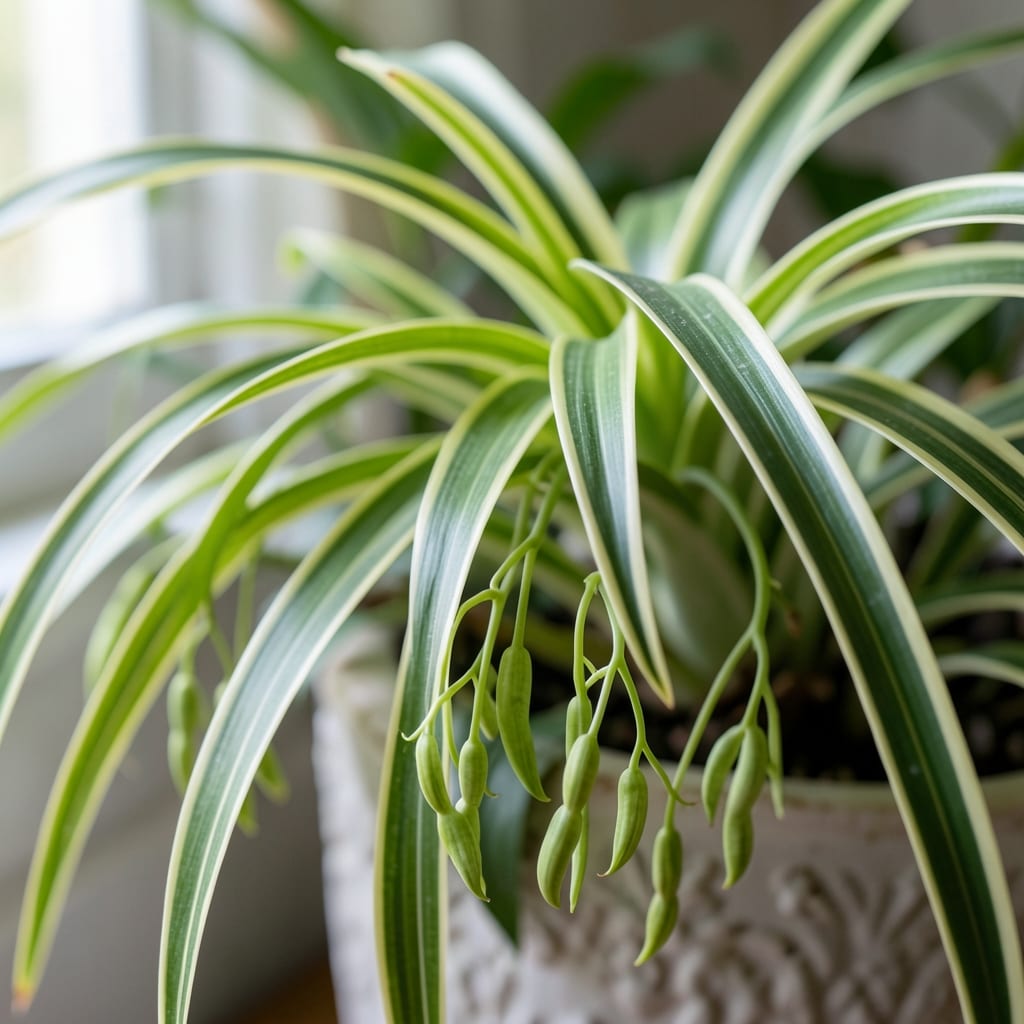
If you’ve ever wondered how much light does a spider plant need to stay happy and healthy, you’re not alone—this is one of the most common questions for new plant parents. The good news? Spider plants (🌿) are famously forgiving, but even they’ll show stress when light conditions are off. Whether your plant is sporting crispy brown tips or stretching toward the window like it’s auditioning for The Hunger Games, the solution usually boils down to light.
Most homes already provide the perfect balance for these adaptable greens, but knowing the difference between low light, medium light, and bright indirect light can mean the difference between a thriving plant and one that’s just surviving. Too little light, and your spider plant might grow leggy and pale; too much, and those beautiful variegated stripes could fade or burn. I’ll break down exactly what your plant is telling you—and how to adjust its environment to keep it lush and vibrant.
Let’s start with the basics: spider plants thrive in bright indirect light, but they’re surprisingly flexible. They can handle everything from the soft glow of a north-facing window to the filtered sunshine of an east or west exposure. The key is avoiding harsh, direct sunlight, which can scorch those delicate leaves. I’ll walk you through the signs of light stress, the best spots in your home to place your plant, and even how to troubleshoot if your spider plant is sending you SOS signals.
By the end, you’ll know exactly where to position your spider plant for optimal growth, how to spot subtle clues about its light needs, and why this resilient plant is such a favorite for beginners and seasoned gardeners alike. Ready to give your 🌿 the perfect light setup?

Ideal light requirements for spider plants: low to bright indirect light explained
Spider plants (🌿) are masters of adaptability, but their light needs still follow a clear spectrum—from low light to bright indirect light. The sweet spot for these plants lies in medium to bright indirect light, where they produce their signature variegated foliage and grow vigorously. Too little light, and they’ll stretch toward the nearest window like a sunbather; too much, and those beautiful stripes fade or crisp at the edges.
Think of your spider plant’s ideal light as a gentle morning sunrise or the filtered afternoon glow through sheer curtains. Direct sunlight, especially the harsh midday rays, can scorch leaves, while dim corners may leave your plant looking pale and leggy. The key is mimicking the dappled shade of their natural understory habitat in South Africa.
Here’s how different light levels affect your spider plant’s health and appearance:
The photosynthesis efficiency of spider plants peaks in medium to bright indirect light, where they can produce enough energy for lush growth while maintaining their iconic variegation. The white stripes on their leaves are actually chlorophyll-deficient cells, which means they rely on the green tissue to fuel photosynthesis. Too little light, and these cells become less effective, leading to pale, stretched-out growth.
For optimal variegation, aim for 4-6 hours of bright indirect light daily. This could mean placing your plant near an east-facing window (morning sun) or a west-facing window (filtered afternoon light). South-facing windows can work if the plant is positioned 3-5 feet away to avoid direct rays.
If you’re unsure about your home’s light levels, a simple test can help: hold a piece of white paper near your plant’s leaves during the brightest part of the day. If you can easily read text through the paper’s shadow, the light is likely too intense. If the shadow is barely visible, your plant is probably getting just the right amount.
Pro tip: Rotate your spider plant quarter-turns every 2-3 weeks to ensure even light exposure. This prevents one side from becoming leggy or pale while the other basks in too much brightness. Even spider plants, which are naturally adaptable, appreciate a little balanced care to keep their growth uniform and their leaves vibrant.
Remember, spider plants are forgiving, but they do communicate their needs through subtle changes in leaf color and growth patterns. Paying attention to these cues will help you fine-tune their environment for years of healthy, happy growth.
Ideal light requirements for spider plants: low to bright indirect light explained
Spider plants (🌿) are masters of adaptability, but their light needs still matter more than you might think. While they can survive in low light conditions, their growth rate and variegation suffer dramatically. The sweet spot? Bright indirect light—think of it as the Goldilocks zone for these plants. This means placing your spider plant near a window where sunlight filters through a sheer curtain or glass, but never hits it directly.
The key to understanding spider plant light needs lies in their photosynthesis efficiency. In medium light, they grow steadily but may develop pale leaves or lose their striking white stripes. Under bright indirect light, they produce vibrant foliage, longer stems, and those adorable spiderettes (baby plants) that make them so popular. Too much direct sun, however, can scorch leaves, causing crispy brown edges—a common sign of light stress.
Here’s how light intensity affects your spider plant’s health at a glance:
| Light Level | Growth Impact | Leaf Appearance | Spiderette Production |
|---|---|---|---|
| Low Light | Slow, leggy | Pale, small, variegation fades | Few or none |
| Medium Light | Moderate, balanced | Healthy green, variegation visible | Occasional |
| Bright Indirect | Fast, bushy | Vibrant, variegation bold | Frequent, abundant |
If you’re wondering how to translate this into real-world terms, here’s a simple rule: east-facing or west-facing windows are ideal because they provide gentle morning or afternoon sun without the harsh midday rays. A north-facing window will work too, but your plant might grow slower. South-facing windows? Only if the plant is placed at least 3 feet away from the glass to avoid direct sun.
Pro tip: Rotate your spider plant quarter-turn every 2-3 weeks to ensure even growth. Uneven light exposure can cause one side to stretch toward the window while the other remains compact. This simple habit keeps your plant lush and symmetrical, maximizing its photosynthetic potential.
Remember, spider plants are forgiving, but they’re not invincible. Pay attention to their leaves—they’re like little mood rings that tell you exactly what they need. A healthy spider plant in the right light will reward you with vibrant growth and those charming spiderettes that make propagating a breeze. 🌱