
Companion Plants
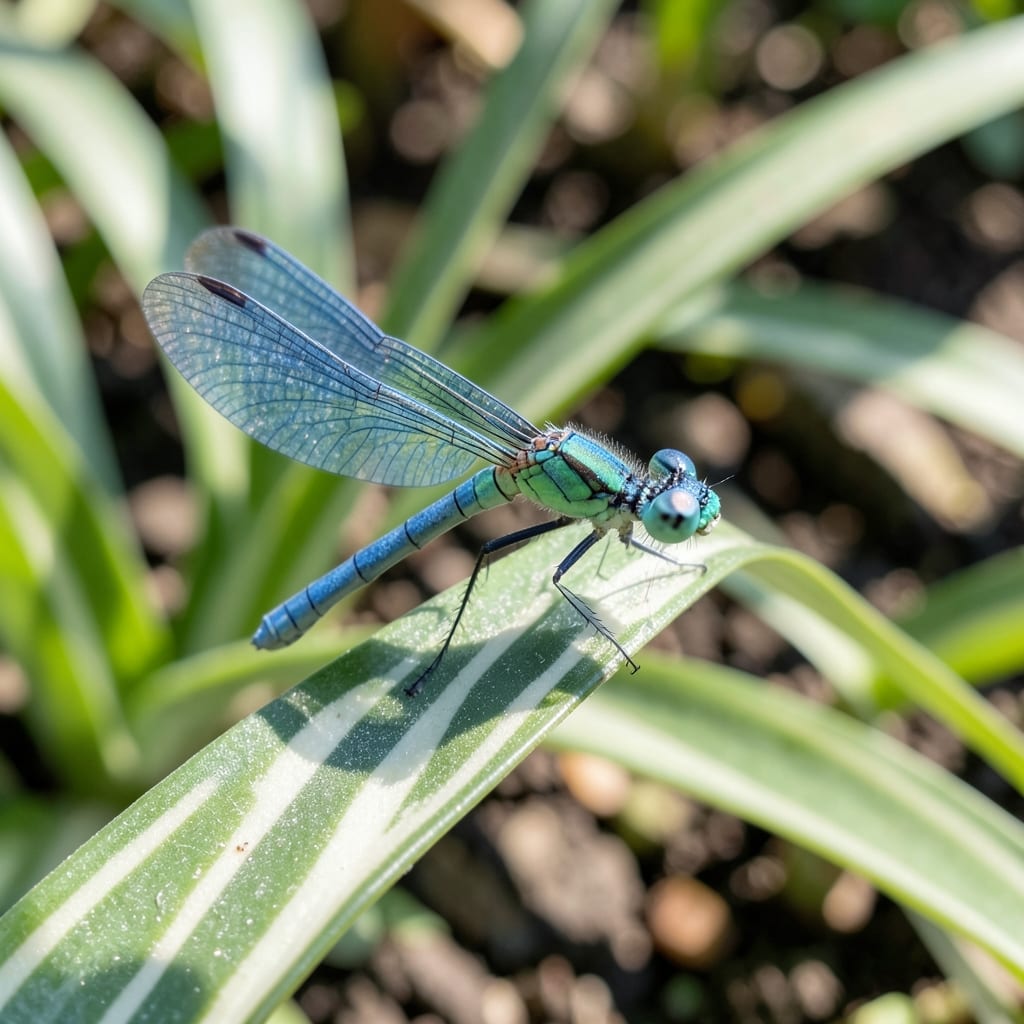
If your 🕷️ Spider Plant is struggling to thrive, the answer might be simpler than you think—it’s all about how much light does a Spider Plant require. This resilient houseplant can adapt to many conditions, but getting the right amount of light is the key to keeping it lush and vibrant. Too little, and it stretches out weakly; too much, and those pretty leaves start to crisp.
Most people assume Spider Plants need bright sunlight, but the truth is, they actually prefer bright indirect light. Think of it like a cozy reading nook—just enough light to feel comfortable without being overwhelmed. With the right light levels, your Spider Plant will reward you with those signature striped leaves and plenty of "pups" for propagation.
I’ve helped countless plant parents revive their Spider Plants by adjusting their light exposure, and the results speak for themselves. Whether you’re dealing with yellowing leaves or leggy growth, understanding the ideal light conditions can make all the difference. Let’s dive into exactly what your Spider Plant needs to stay happy and healthy.
From low-light tolerance to signs of stress, I’ll walk you through everything you need to know to create the perfect environment for your 🕷️ Spider Plant. You’ll learn how to spot the difference between just-right light and too much, plus some easy fixes to keep your plant thriving year-round.

Spider Plant light requirements: the perfect balance for optimal growth
Your Spider Plant (Chlorophytum comosum) thrives in bright indirect light, making it perfect for homes with filtered sunlight. This means placing it near an east or north-facing window where it gets morning sun or gentle afternoon light. The ideal spot mimics dappled forest light—enough brightness to keep leaves vibrant but no harsh rays that cause browning.
Think of it like this: if you could describe your Spider Plant’s light preference in one word, it would be “cozy”. Too little light leads to leggy, sparse growth, while too much causes yellowing or crispy leaf tips. The sweet spot is about 4-6 hours of bright, diffused light daily, which keeps those signature striped leaves looking their best.
One of my favorite tricks for Spider Plants is using a sheer curtain to filter direct sunlight. This creates the perfect bright indirect light environment without risking sunburn. Even a spot 2-3 feet away from a north window often works beautifully, especially in cooler months when sunlight is gentler.
Here’s what happens when light levels are just right: your Spider Plant will produce more “spiderettes” (baby plants) and maintain rich green and white variegation. These little pups are a sign your plant is happy and ready for propagation—a bonus for any plant parent!
| Light Condition | Ideal Hours/Day | Plant Response | Best Location |
|---|---|---|---|
| Bright Indirect Light | 4-6 hours | Vibrant leaves, frequent spiderettes | East/west window, 2-3 ft away |
| Low Light | 2-3 hours (filtered) | Leggy growth, pale leaves | North window, away from glass |
| Direct Sunlight | >3 hours unfiltered | Brown tips, yellowing | Avoid south windows without curtain |
If you’re unsure about your home’s light levels, here’s a quick test: hold your hand near the potential spot. If you can barely see your fingers through the light, it’s likely too dim. If the light feels warm and intense (like midday sun), it’s probably too strong. The perfect balance is when the light feels soft and even—just right for your Spider Plant’s delicate leaves.
Another pro tip? Rotate your plant quarter-turn weekly to ensure even light exposure. Spider Plants grow toward the light source, so this keeps them balanced and prevents lopsided growth. I’ve seen dramatic improvements in plant symmetry after just a few weeks of rotation!
For those with artificial lighting, a simple LED grow light on a timer (12-14 hours/day) works wonders in low-light areas. Place it 6-12 inches above the plant and adjust based on leaf color—darker leaves mean more light is needed.
Remember, Spider Plants are forgiving—they can adapt to lower light conditions, but they’ll always reward you with better growth when given their ideal bright indirect light. Start with the perfect spot, monitor for subtle changes, and soon you’ll have a thriving plant that’s the envy of every plant lover.
Spider Plant light requirements: the perfect balance for optimal growth
Your Spider Plant thrives best in bright indirect light, which mimics its natural understory habitat. This means placing it near a window where sunlight filters through sheer curtains—think east-facing or north-facing windows for the ideal spot. Direct sunlight can scorch those beautiful striped leaves, while too little light causes the plant to stretch and weaken.
Most people mistakenly assume Spider Plants need full sun, but they actually prefer 4-6 hours of bright, diffused light daily. If your home lacks natural light, don’t worry—these plants are adaptable and can tolerate low-light conditions for short periods, though their growth may slow. The key is finding that sweet spot where they get enough light to stay vibrant without stress.
Here’s how light affects your Spider Plant’s growth: bright indirect light enhances the variegated patterns on the leaves, while low light reduces spiderette (baby plant) production. If you notice fewer pups or duller leaves, it’s time to adjust the lighting. Even a simple move closer to a window can make a world of difference.
| Light Condition | Ideal Location | Plant Response |
|---|---|---|
| Bright Indirect Light | East or North Window, 2-3 ft away | Lush growth, vibrant variegation, frequent spiderettes |
| Low Light | Office, bathroom, or shaded corner | Leggy growth, fewer spiderettes, dull leaves |
| Direct Sunlight | South or West Window (unfiltered) | Brown tips, crispy edges, weakened plant |
If your Spider Plant isn’t producing as many spiderettes as you’d like, it might be getting too little light. These baby plants grow best when the mother plant receives consistent bright indirect light. Try rotating the pot every few weeks to ensure even light exposure, as plants naturally lean toward the light source. This simple habit keeps your Spider Plant balanced and encourages healthy growth.
For those with artificial lighting, a simple LED grow light can supplement natural light in low-light areas. Place it about 12-18 inches above the plant and keep it on for 12-14 hours daily. This mimics natural daylight cycles and helps maintain your Spider Plant’s health, especially during winter months when daylight is scarce.
Remember, Spider Plants are forgiving, but they do communicate their needs through their leaves. Pay attention to subtle changes in color or growth patterns—they’re your plant’s way of telling you whether it’s getting just the right amount of light. With the perfect balance, your Spider Plant will reward you with vibrant foliage and endless propagation opportunities.