
Light Requirements
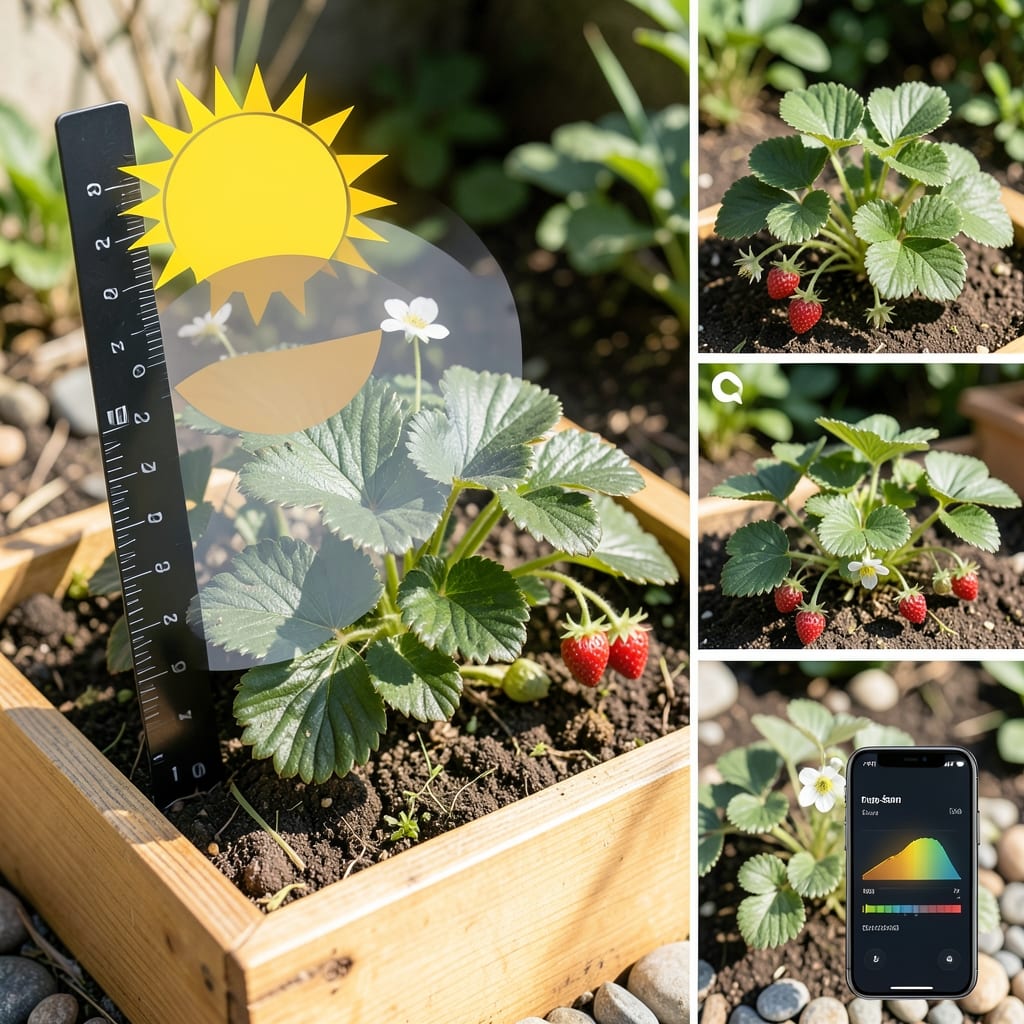
If you’ve ever wondered how much light does a strawberry plant need to thrive, the answer might be hiding in plain sight—right above your garden. The right amount of light isn’t just about sunlight; it’s about understanding how much your strawberries truly need to thrive, and how different varieties respond to light conditions.
Most gardeners assume strawberries love full sun, but the truth is more nuanced. While 6-10 hours of direct sunlight is ideal for maximum fruit production, some varieties can adapt to partial shade, especially in hotter climates or shaded spots. The key is matching your strawberries to your garden's natural light patterns, whether you're in a sunny backyard or a partially shaded balcony.
In this guide, I'll break down exactly how much light strawberry plants need based on their type—June-bearing, everbearing, or day-neutral—and how to adjust light exposure for the best harvest. You'll also discover practical tips for supplementing light when needed, so you can grow juicier, sweeter strawberries no matter where you live.
Whether you're a beginner or a seasoned gardener, getting the light right is the game-changer for a bountiful strawberry harvest. Let's dive into the details so you can give your plants the perfect growing conditions.

Sunlight requirements for strawberry plants by variety: hours needed for optimal growth
Strawberries are often called sun-loving plants, but their exact light needs depend heavily on the variety you're growing. While most strawberries thrive in full sun (6-10 hours daily), some varieties can tolerate partial shade (3-6 hours), especially in hot climates. Understanding these differences is key to maximizing your yield and avoiding common issues like poor fruit set or leaf scorch.
The three main strawberry types—June-bearing, everbearing, and day-neutral—each have unique sunlight preferences. June-bearing varieties, which produce one massive harvest in early summer, demand the most light, while day-neutral varieties are more adaptable to lower light conditions. Let’s break down the specifics so you can choose the right plants for your garden’s light conditions.
| Variety | Ideal Sunlight | Shade Tolerance | Best For |
|---|---|---|---|
| June-Bearing | 8-10 hours | Low (3-4 hours max) | Full-sun gardens, high-yield harvests |
| Everbearing | 6-8 hours | Moderate (4-6 hours) | Extended harvests, cooler climates |
| Day-Neutral | 4-6 hours | High (3-6 hours) | Shaded areas, containers, urban gardens |
June-bearing strawberries, like 'Chandler' or 'Jewel', are the most demanding when it comes to sunlight. These varieties need 8-10 hours of direct sun to produce their signature large, flavorful berries. Insufficient light can lead to smaller fruits or even a complete lack of fruiting. If you’re growing June-bearing strawberries in a partial shade situation, consider supplementing with a grow light during the critical flowering stage.
Everbearing varieties, such as 'Ozark Beauty' or 'Seascape', are more flexible but still prefer 6-8 hours of sun. They can handle 4-6 hours of shade without sacrificing too much yield, making them a great choice for gardens with afternoon shade or cooler microclimates. These varieties produce two harvests—a smaller one in early summer and a larger one in fall—so consistent light exposure helps maintain productivity.
Day-neutral varieties, like 'Albion' or 'Fort Laramie', are the most adaptable to lower light conditions. They thrive with 4-6 hours of sunlight and can even tolerate as little as 3 hours in some cases, making them ideal for shaded balconies or container gardens. While their fruit may be slightly smaller, they often produce more consistently in low-light environments than other types.
High-altitude gardens or regions with intense summer sunlight may require adjustments to these guidelines. In mountainous areas, where sunlight is more diffuse, strawberries can still thrive with 6-8 hours of sun, but the intensity of the light matters just as much as the duration. Conversely, in hot desert climates, providing afternoon shade can prevent leaf scorch while still ensuring 6+ hours of morning sun for optimal fruiting.
Photosynthesis in strawberries is most efficient when leaves receive direct sunlight, but indirect light can still support growth. However, for maximum fruit production, aim for at least 6 hours of direct sun. If your garden only offers partial shade, focus on placing plants where they’ll get the brightest, most direct light possible, ideally in the morning hours when sunlight is less intense.
One common mistake gardeners make is assuming that more sunlight is always better. While strawberries love light, excessive heat combined with full sun can stress plants, especially in Zone 9 and above. In these areas, providing dappled shade during peak afternoon hours can improve fruit quality and prevent sunburn on leaves. Use lightweight shade cloth (30-50%) if needed, but ensure it doesn’t block all direct light during the cooler morning and evening hours.
To test whether your strawberries are getting enough light, observe their leaves. Healthy strawberry leaves are deep green and slightly waxy. If leaves appear yellow or pale, it’s a sign of light deficiency. Conversely, brown or crispy edges indicate too much direct sun, especially in hot weather. Adjusting your plants’ placement or using shade solutions can help strike the perfect balance for your specific growing conditions.
How to adjust light for strawberry plants: solutions for shady spots and overly sunny gardens
Even if your garden doesn’t offer the perfect 6-10 hours of sunlight that strawberries crave, there are smart ways to supplement light or protect from excess sun. Whether you're dealing with a shady balcony or a scorching afternoon sun, these adjustments can make all the difference in your harvest. The key is understanding when to intervene and how to do it without stressing your plants.
For gardens with insufficient light, the first step is to maximize existing sunlight. This means positioning your strawberry plants in the sunniest spot available, even if it’s only a few hours a day. South-facing windows or reflective surfaces (like white walls or mirrors) can bounce extra light onto your plants, effectively increasing their exposure. If you’re growing in containers, rotate them weekly to ensure even light distribution across all leaves.
Warning: Too Much or Too Little Light Can Ruin Your Harvest
Strawberries are sensitive to light extremes. Too little light leads to small, bland fruits and weak vines, while too much direct sun causes leaf scorch and sunburn. In Zone 9+, afternoon shade is a must to prevent heat stress, but even in cooler climates, midday sun can be intense.
When natural light isn’t enough, grow lights can be a game-changer, especially for indoor or winter growing. LED grow lights with a full-spectrum output (mimicking sunlight) are the most efficient. Place them 6-12 inches above your strawberry plants and provide 12-16 hours of light daily during short-day seasons. For budget-friendly options, fluorescent bulbs work well for seedlings or small containers, though they may not support full fruiting.
If your strawberries are getting too much direct sun, especially in hot climates, use shade cloth to filter harsh rays. A 30-50% shade cloth reduces light intensity by up to half while still allowing photosynthesis. Install it above plants during peak sun hours (11 AM - 3 PM), then remove it in the morning and evening to maintain light exposure. Alternatively, plant strawberries under dappled shade from trees or structures, ensuring they still receive at least 4-6 hours of direct light.
Seasonal adjustments are crucial, too. In winter, strawberries may need supplemental light to compensate for shorter days, while in summer, they might benefit from afternoon shade. Pay attention to your plants’ growth patterns: if leaves are stretching excessively (a sign of light deficiency), it’s time to supplement. Conversely, if leaves curl or crisp, they’re overheating—time to provide relief.
For urban gardeners with limited space, consider vertical growing systems like trellises or hanging baskets. These maximize light exposure by elevating plants and allowing sunlight to reach all sides. Just ensure your setup doesn’t cast unnecessary shade on itself. Regularly prune overgrown foliage to improve airflow and light penetration to the lower leaves, where most photosynthesis occurs.
Finally, don’t overlook the soil and water connection. Strawberries in low-light conditions need richer, more fertile soil to compensate for reduced energy production. Amend your soil with compost or organic matter to support growth, and water consistently to prevent stress. Mulch around plants to retain moisture and regulate soil temperature, which indirectly helps them cope with light limitations.