
Light Requirements
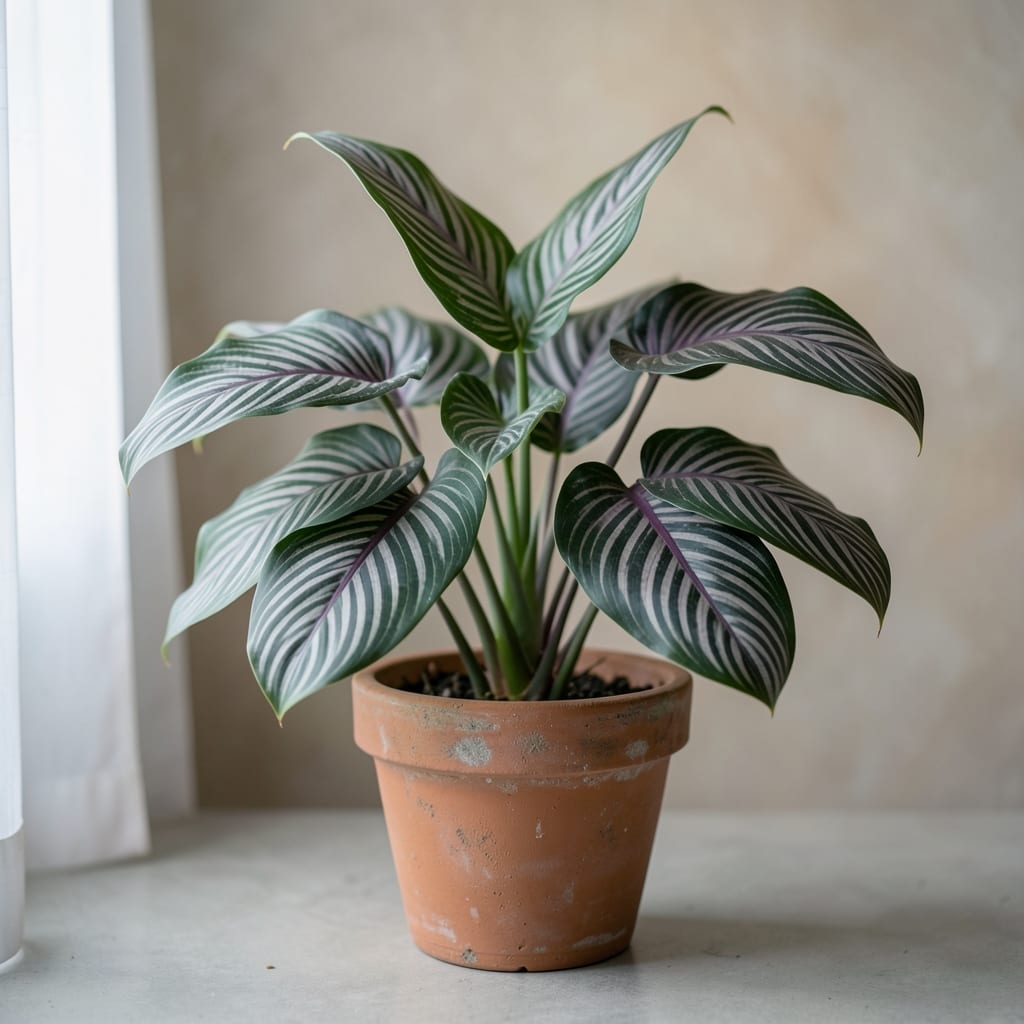
If you're wondering "how much light does a Zebra Plant need", you're not alone—this striking houseplant often struggles in the wrong lighting, leading to dull leaves or weak growth. The good news? Zebra Plants are surprisingly adaptable, but they do have preferences that can make or break their vibrant appearance.
These tropical beauties thrive in bright, indirect light, which mimics their natural understory habitat. Too much direct sun can scorch those signature zebra-striped leaves, while too little light causes them to stretch awkwardly toward any available brightness. The key is finding that sweet spot where your Zebra Plant stays compact and colorful.
I'll show you exactly how to identify the perfect lighting scenario for your home, whether you're dealing with a north-facing window or need to supplement weak natural light. You'll learn to spot the subtle signs of over- or under-lighting and how to adjust without guessing. Let's get your Zebra Plant looking its absolute best!
From simple window placement tricks to grow light solutions, we'll cover everything you need to keep your 🌿 Zebra Plant happy year-round. No more brown patches or leggy stems—just lush, healthy foliage that steals the show in any room.

Zebra Plant light requirements: ideal spectrum for healthy growth
Your Zebra Plant thrives in bright indirect light, which is why east or west-facing windows are ideal spots. These locations provide gentle morning or late-afternoon sunlight without the harsh midday rays that can scorch delicate foliage. Think of their natural habitat—dappled sunlight filtering through trees in tropical understories.
The ideal light spectrum for a Zebra Plant falls between 40-60% of full sunlight. This means placing it where it receives 4-6 hours of filtered light daily. Direct sunlight for more than 2 hours can cause those signature zebra-striped leaves to develop brown scorch marks, while too little light leads to stretched, pale growth.
If you're unsure about your home's light conditions, perform a simple test: Hold your hand near the plant's spot. If you can comfortably read a book without needing a lamp, the light is likely bright indirect. If the room feels dim, you'll need to supplement with artificial lighting.
Color spectrum matters too. Zebra Plants prefer light rich in blue and green wavelengths, which promote healthy foliage growth. South-facing windows can work, but you'll need to filter the light with a sheer curtain to prevent leaf burn.
For indoor gardeners, artificial grow lights can bridge the gap when natural light is insufficient. LED grow lights with a 5000-6500K color temperature mimic the ideal spectrum, while fluorescent bulbs work for milder supplementation.
Seasonal adjustments are key. During summer months, your Zebra Plant may need protection from intense afternoon sun. In winter, when days are shorter, consider rotating the plant every few weeks to ensure even light exposure on all sides.
| Light Condition | Ideal Hours | Window Placement | Leaf Appearance |
|---|---|---|---|
| Bright Indirect | 4-6 hours | East/West window, 2-3 ft away | Vibrant stripes, compact growth |
| Low Light | <2 hours | North window or dim corner | Pale leaves, leggy stems |
| Direct Sun | >2 hours | South window without filter | Brown scorch marks, crispy edges |
Pro tip: Rotate your Zebra Plant quarter-turn weekly to ensure even growth. This prevents the plant from leaning toward the light source, which can create an uneven, lopsided appearance over time.
For those with south-facing windows, place your Zebra Plant at least 6 feet away from the glass during peak sun hours (10 AM - 4 PM). If that's not possible, use a light sheer curtain to diffuse the intensity.
Remember, adaptation is gradual. If you move your Zebra Plant to a brighter spot, do it over 1-2 weeks to avoid shocking the plant with sudden light changes. This allows the leaves to adjust and prevents sunburn.
With the right light conditions, your Zebra Plant will reward you with bold, striped foliage that stays vibrant for years. The key is observing and adjusting—your plant will tell you what it needs through its leaves! 🌿
Zebra Plant light requirements: ideal spectrum for healthy growth
Your Zebra Plant thrives in bright indirect light, which mimics its natural understory environment. This means placing it near a window where sunlight filters through sheer curtains—think east or west-facing windows for gentle morning or afternoon light. Direct midday sun through south-facing windows can scorch those distinctive zebra-striped leaves, while too little light causes the plant to stretch and lose its compact shape.
The ideal light spectrum for a Zebra Plant includes 4-6 hours of bright, diffused light daily. If your home has limited natural light, don't panic—these plants tolerate low to medium light conditions better than many tropical houseplants. However, their growth rate and leaf vibrancy will suffer without adequate brightness. The goal is to balance enough light for healthy foliage without risking leaf burn.
Here’s how to visualize the perfect light setup: Imagine your Zebra Plant sitting 2-3 feet from an east-facing window in spring or a west-facing window in summer. This distance prevents direct sun exposure while ensuring plenty of natural light. If your space lacks windows, we’ll cover grow light solutions in the next section—but first, let’s break down the light requirements in detail.
🌱 Zebra Plant Light Requirements Summary
| Light Type | Ideal Duration | Window Placement | Signs of Stress |
|---|---|---|---|
| Bright Indirect | 4-6 hours/day | 2-3 ft from east/west window | Healthy, vibrant leaves |
| Low Light | <2 hours/day | North-facing window or room corner | Leggy growth, pale leaves |
| Direct Sun | >6 hours/day | South-facing window without filter | Brown leaf edges, crispy foliage |
When assessing your Zebra Plant’s light needs, pay attention to the color and pattern of its leaves. Healthy zebra stripes should remain crisp and vibrant. If you notice the stripes fading or the leaves turning dull green, it’s a sign the plant needs more light. Conversely, if the leaves develop brown patches or crispy edges, move it away from direct sunlight immediately. These visual cues are your plant’s way of communicating its needs!
Seasonal adjustments are key, especially if your Zebra Plant sits near a window that receives intense summer sunlight. During peak sun hours (10 AM–4 PM), use a sheer curtain or white blind to diffuse the light. In winter, when natural light is weaker, consider rotating the plant every few weeks to ensure even growth. This simple step prevents lopsided development and keeps your Zebra Plant looking full and balanced.
For indoor gardeners with limited natural light, the good news is that Zebra Plants are highly adaptable. They’ll survive in lower light conditions, though their growth may slow. The trade-off? Their striking foliage won’t be as vibrant. If you’re committed to keeping your plant in a dim corner, we’ll explore grow light solutions in the next section—but for now, focus on maximizing natural light without risking leaf damage. A little planning goes a long way in preventing common light-related issues.