
Companion Plants
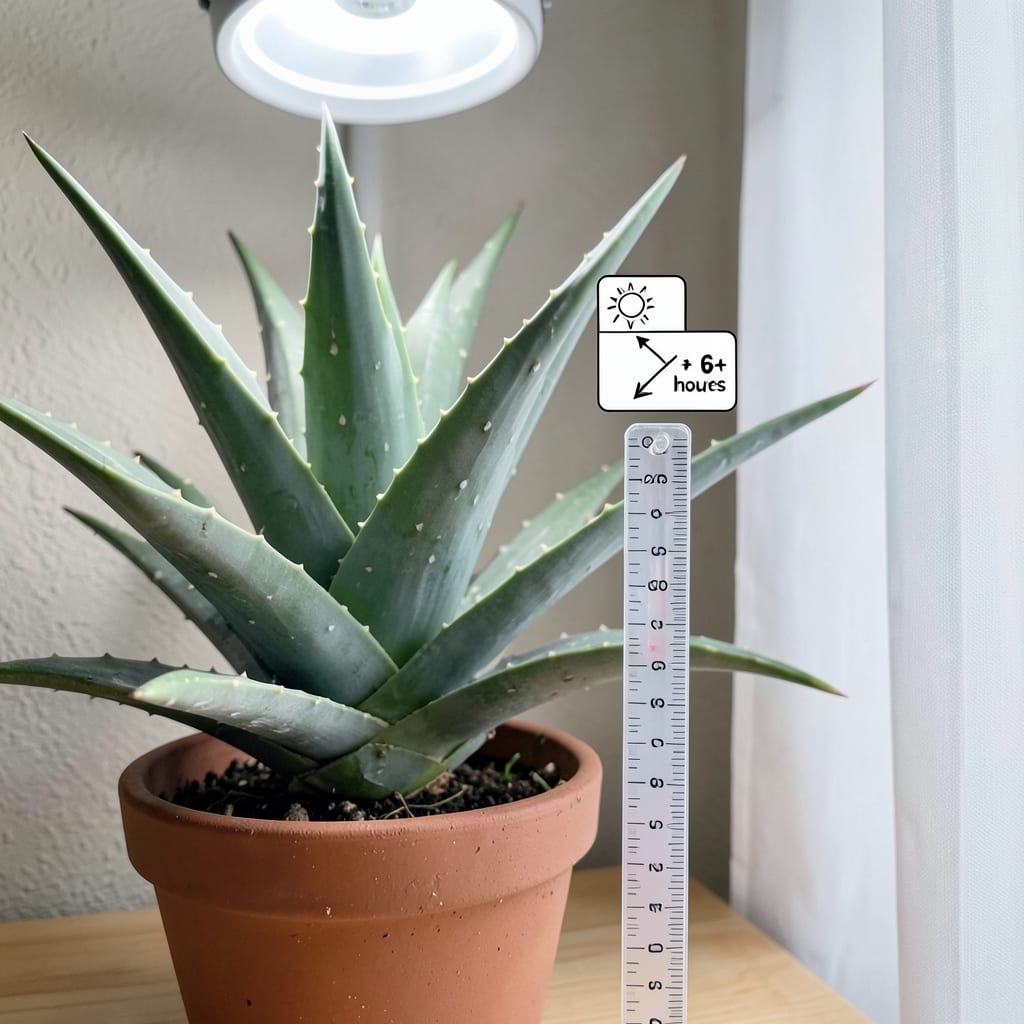
If you’re wondering how much light does an aloe plant need, the answer is simple: the right amount of sunlight is the key to keeping your 🌱 thriving—too little and it stretches for attention, too much and it burns. Let’s cut through the guesswork and find the perfect balance for healthy growth.
Most aloe plants need bright indirect sunlight for about 6 hours a day, but direct sun can scorch those delicate leaves. Whether you're growing indoors or outdoors, knowing where to place your plant makes all the difference. I’ll show you exactly how to spot the signs of light stress and adjust before it’s too late.
Don’t worry if your space doesn’t get much natural light—there are simple fixes, like grow lights or reflective surfaces, to give your aloe the energy it needs. By the end, you’ll know exactly where to put your plant, how to monitor its health, and even how to tweak care for different seasons. Let’s get your aloe looking its best!
Ready to transform that sad, stretched plant into a vibrant, healthy 🌱? The solution starts with light—and I’ve got the step-by-step guide to make it easy. Let’s dive in!

Optimal light requirements for aloe vera growth: bright indirect sunlight explained
Aloe plants thrive in bright indirect sunlight, but they can handle some direct sun—just not too much. The ideal spot gives them 6-8 hours of light daily, mimicking their natural desert habitat. Too little light causes etoliation (stretchy, weak growth), while too much direct sun leads to leaf burn. Let’s break down the perfect balance for your 🌱.
For outdoor aloe, place them in partial shade during peak afternoon sun (12 PM–3 PM) when rays are harshest. If growing indoors, a south-facing window is best, but east or west windows work too—just rotate the pot weekly for even growth. Avoid north-facing windows, which offer weak, cool light that won’t sustain aloe health.
Here’s the golden rule: Bright light without direct scorching. Think of it like a sunbathing rule—aloe wants warmth but not a sunburn. In summer, they can handle 3-4 hours of morning sun plus afternoon shade, while winter’s weaker light means they’ll tolerate more direct exposure. Adjust based on your climate and season!
If you’re unsure whether your space has the right light, do this quick test: Hold a piece of white paper near your aloe’s spot. If the light casts a soft shadow (like dappled sunlight), it’s bright indirect. If it’s sharp and dark, it’s too direct. For indoor aloe, aim for spots where other plants thrive—like near a south window with sheer curtains.
Seasonal tweaks matter too! In summer, move outdoor aloe to morning sun only to avoid scorching. In winter, they’ll tolerate more direct light since days are shorter. Watch for leaf color changes—healthy aloe has a blue-green hue; pale yellow means more light, while brown patches mean less.
Pro tip: Rotate your aloe quarter-turn weekly to ensure even growth. Plants lean toward light sources, so this keeps them symmetrical and sturdy. Pair this with well-draining soil (like cactus mix) and minimal watering, and your aloe will reward you with thick, vibrant leaves year-round.
Still unsure about your space? Try this hack: Place your aloe in its spot for a week, then check the leaves. If they’re stretching upward, it needs more light. If they’re turning brown, it’s getting too much. Adjust gradually—aloe adapts best to slow changes!
Remember, aloe is a low-maintenance desert plant—it’d rather suffer a little light stress than be overwatered. Prioritize light, then water, and you’ll have a thriving 🌱 that’s the envy of every windowsill!
Signs your aloe isn’t getting enough (or too much) light: a visual guide
Your aloe plant’s leaves tell a story—if they’re stretching upward or turning pale yellow, it’s crying out for more light. These are classic signs of etoliation, where the plant reaches for sunlight like a sleepy cat stretching in the morning. On the flip side, brown crispy edges or white patches scream “too much sun!”—your aloe’s way of saying, “I’m getting sunburned!” Let’s decode these signals so you can fix the issue fast.
First, check your aloe’s leaf color. Healthy aloe leaves have a blue-green hue with slight red or orange edges—this is normal! But if they’re pale green or yellowish, your plant needs more light. Think of it like a human getting a vitamin D deficiency—your aloe is just weak and leggy without enough energy from sunlight. Move it closer to a bright window or supplement with a grow light if natural light is scarce.
🌱 Light Stress in Aloe: Quick Fixes
- Pale, stretched leaves
- Thin, weak growth
- Leaning toward light source
- Brown, crispy edges
- White or bleached patches
- Leaves feel dry or papery
- Blue-green leaves
- Compact, sturdy growth
- Slight red/orange edges
Now, let’s talk about leaf texture. Healthy aloe leaves should feel thick and firm, like a succulent’s embrace. If they’re soft or mushy, it might not be light—check your watering habits too! But if the edges are crispy or dry, that’s a sure sign of sunburn. In this case, move your aloe to a spot with filtered light, like behind a sheer curtain or a few feet away from the window. Think of it as giving your aloe a hat and sunscreen combo!
Another red flag? Leaf curling. If your aloe’s leaves curl at the edges, it’s often a sign of underwatering, but in bright light, it can also indicate stress from too much intensity. To test, gently press a leaf—if it snaps easily, it’s dehydrated. If it feels stiff and brittle, it’s sun-stressed. Adjust both water and light gradually to avoid shocking the plant.
Don’t forget to check the soil too! If your aloe’s pot feels too dry or too wet, it can mimic light stress. Aloe thrives in well-draining soil, so if the roots are sitting in water, they’ll struggle to absorb nutrients—even with perfect light. Always use a cactus or succulent mix and ensure the pot has drainage holes. Pair this with the right light, and your aloe will bounce back in no time!
Here’s a pro move: Take a before-and-after photo of your aloe after adjusting its light. You’ll be amazed at how quickly it perks up! Within a few weeks, you should see thicker leaves, richer color, and a more upright growth habit. If you’re still seeing issues after 4-6 weeks, it might be time to repot in fresh soil or check for pests—sometimes stress masks deeper problems.
Remember, aloe is resilient—it’s survived desert conditions for centuries! With the right light, it’ll thrive on your windowsill or patio. Start with small adjustments, monitor the leaves, and trust your plant’s signals. Soon, you’ll have a vibrant, healthy aloe that’s the star of your space! 🌿