
Plants
Ideal light requirements for elephant ear plants: bright indirect sun explained
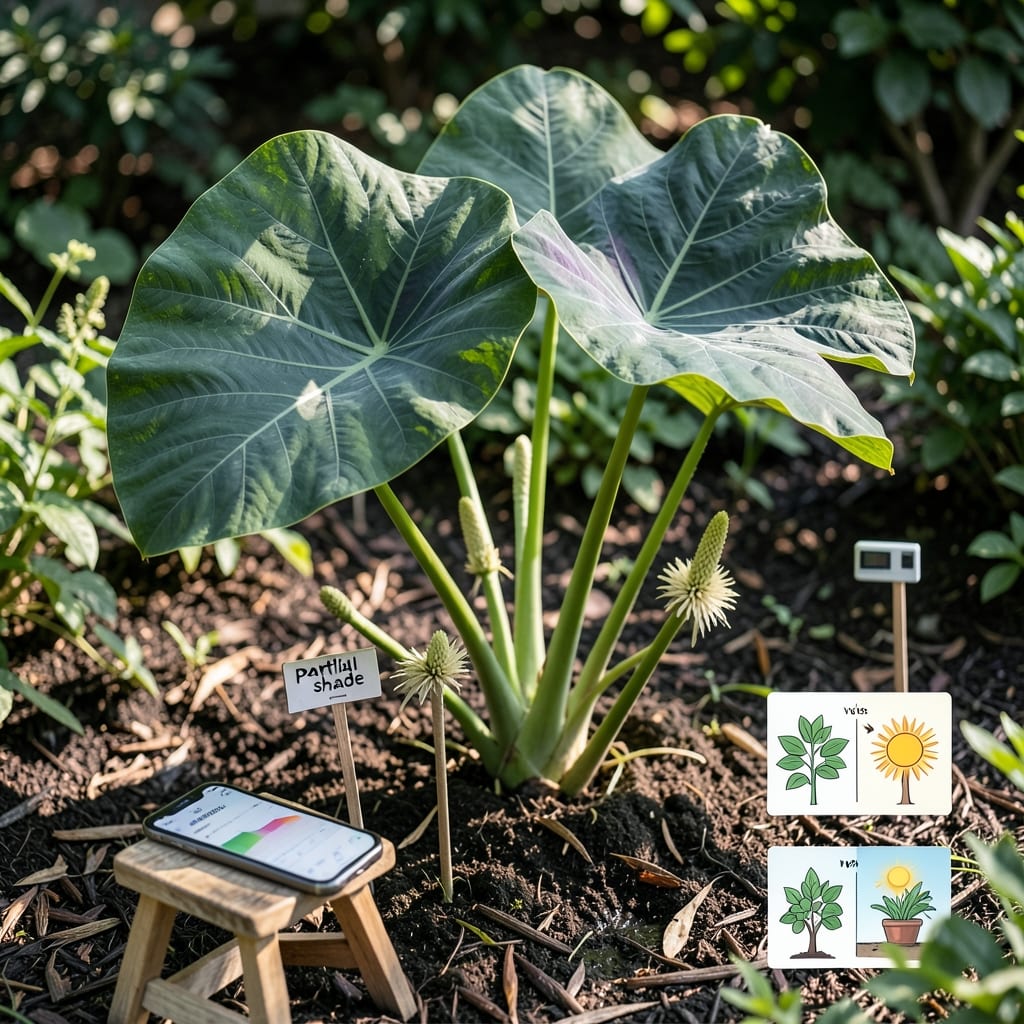
Elephant ear plants (Colocasia spp.) thrive on bright indirect sunlight, which fuels their stunning foliage without causing sunburn. Aim for 4-6 hours of filtered light daily, especially during peak growing months. This balance ensures vibrant leaves while preventing the crispy edges that signal too much direct sun.
The key is mimicking dappled sunlight found under light canopy trees like maples or birches. If your garden lacks natural shade, use sheer curtains or lattice screens to diffuse harsh rays. In containers, rotate pots weekly for even light exposure—uneven growth often signals one side getting more sun.
Morning sun exposure is ideal for outdoor plants, as afternoon rays are more intense. For indoor plants, place them near east-facing windows where sunlight is gentler. Avoid south or west windows unless you’re using sheer curtains to filter UV rays.
Seasonal adjustments matter too. In summer, provide afternoon shade to prevent leaf scorch, while winter’s weaker light may require supplemental grow lights. Monitor your plant’s response—healthy leaves stay deep green and glossy.
Here’s how to identify bright indirect light in your space: Look for areas where sunlight creates soft shadows (like under a pergola) or where plants like ferns thrive naturally. Avoid spots where leaves get hot to the touch—this is a sure sign of too much direct sun.
Light intensity affects foliage size too. Lower light leads to smaller leaves, while optimal conditions produce those dramatic, oversized leaves elephant ears are famous for. If your plant’s leaves shrink over time, it’s likely not getting enough light.
| Factor | Ideal Condition | Signs of Stress |
|---|---|---|
| Daily Light Hours | 4-6 hours (bright indirect) | Yellowing (too little), crisp edges (too much) |
| Best Sun Exposure | Morning sun + afternoon shade | Brown patches on leaves |
| Indoor Placement | East-facing window or 2-3 ft from west window | Leggy growth (reaching for light) |
| Seasonal Adjustments | Afternoon shade in summer, grow lights in winter | Stunted growth in winter |
For container-grown elephant ears, choose pots with light-colored surfaces to reflect excess heat. Dark containers absorb sunlight and can cook the roots, even in indirect light. Elevate pots on saucers to improve airflow and prevent root rot from trapped moisture.
If your plant develops purple or red tinges on the undersides of leaves, it’s often a sign of insufficient light—especially in cooler months. Boost light exposure gradually to avoid shocking the plant. In extreme cases, supplement with a 12-hour grow light placed 12-18 inches above the foliage.
Remember: Elephant ears are tropical plants that mimic the dappled forest floor. Recreate this environment by combining bright indirect light with high humidity (60% or above). Mist leaves occasionally or use a pebble tray with water to maintain moisture levels.
Pro tip: Rotate your plant every 2-3 weeks to ensure even growth. Uneven light exposure causes lopsided foliage, where one side grows larger than the other. This simple habit keeps your elephant ear looking symmetrical and healthy.
🌿
Ideal light requirements for elephant ear plants: bright indirect sun explained
Elephant ear plants (Colocasia spp.) thrive best with bright indirect sunlight, which mimics their natural understory habitat. Too much direct sun can scorch those stunning leaves, while too little light leads to weak, leggy growth. Aim for 4 to 6 hours of filtered light daily—think dappled shade under trees or an east-facing window where morning sun gently brightens the space.
Direct afternoon sun (especially between 12 PM and 4 PM) is the biggest enemy of elephant ear plants. Their tropical roots prefer gentle warmth without intense heat. If you notice crispy edges on leaves, that’s your plant’s way of saying, “Move me out of the hotspot!” Instead, position them where they get morning rays and afternoon shade.
🌿 Pro Tip: Rotate your plant every few weeks to ensure even light exposure. This prevents lopsided growth and helps all leaves access the bright indirect light they crave.
| Light Requirement | Specification | Best For |
|---|---|---|
| Bright Indirect Light | 4-6 hours daily | Vibrant foliage |
| Morning Sun | 2-3 hours max | Outdoor containers |
| Afternoon Shade | Essential for survival | Prevents sunburn |
| Low Light | Weak growth, pale leaves | Indoor grow lights |
For outdoor gardens, place elephant ear plants under large deciduous trees like maples or oaks. Their canopy filters harsh rays while still allowing enough light for lush growth. In containers, move them to a shaded patio by midday if your area gets intense afternoon sun. A sheer curtain or lattice can also diffuse light for a gentler glow.
Seasonal adjustments matter too. In summer’s peak heat, even morning sun can be too strong—watch for leaf bleaching. During cooler months, they tolerate slightly more direct light (like a south-facing window) since temperatures are milder. Always prioritize consistent brightness without scorching.
💡 Light Meter Tip: Use a simple light meter app to check your spot’s lux levels. Elephant ear plants thrive at 10,000–20,000 lux—about half the brightness of direct midday sun. Adjust placement if readings climb above 30,000 lux.