
Plants
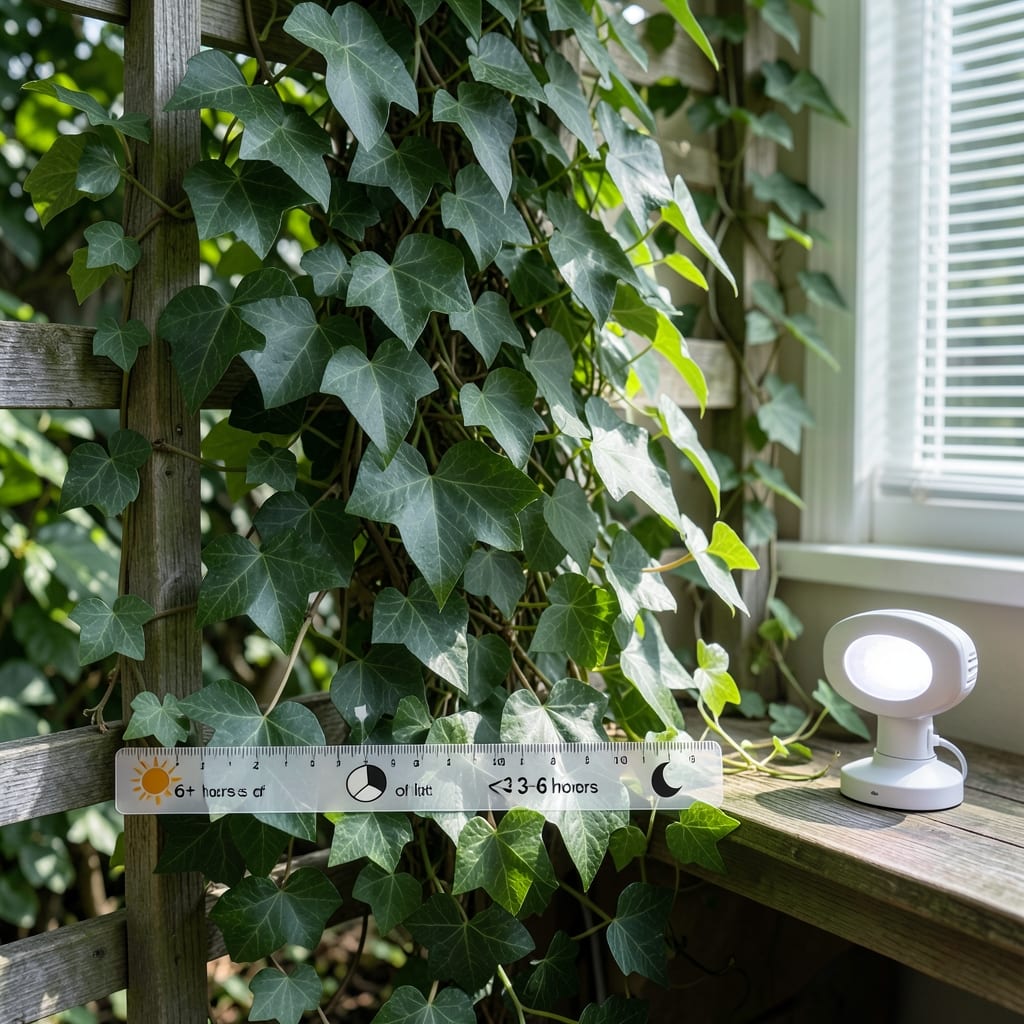
Ivy light requirements: the 3 sunlight zones for healthy growth
Ivy plants thrive in versatile light conditions, but finding the right balance is key to preventing leaf burn or stunted growth. Most ivy varieties—like English ivy (Hedera helix) and Boston ivy (Parthenocissus tricuspidata)—prefer bright indirect light, but they adapt well to lower light too. The trick is understanding the three sunlight zones that keep your ivy lush and vibrant.
In low light, your ivy will survive but may grow leggy and sparse, with pale leaves. This zone works for north-facing rooms or shaded outdoor spots. Medium light—like an east or west-facing window—promotes balanced growth and rich green foliage. Meanwhile, bright indirect light near a south-facing window (with sheer curtains) encourages denser, bushier vines without scorching.
Here’s how to match your ivy’s needs to your space, plus the ideal light duration for each zone to keep your plant thriving year-round.
| Sunlight Zone | Light Type | Ideal Duration | Growth Impact | Best For |
|---|---|---|---|---|
| Low Light | <5,000 lux (dim rooms, north windows) | 4-6 hours/day | Slow growth, pale leaves, leggy stems | Indoor offices, shaded patios |
| Medium Light | 5,000-10,000 lux (east/west windows) | 6-8 hours/day | Balanced growth, deep green leaves | Living rooms, conservatories |
| Bright Indirect | 10,000-20,000 lux (south windows with filter) | 8+ hours/day | Dense foliage, faster climbing | Sunrooms, outdoor trellises |
For English ivy, bright indirect light is ideal—it produces glossy, dark green leaves and encourages vigorous climbing. Place it 2-3 feet from a south-facing window with a sheer curtain to filter harsh rays. If you notice yellowing or crispy edges, it’s getting too much direct sun—move it back or add a light sheer fabric.
Boston ivy, on the other hand, handles more direct sun than English ivy, especially when grown outdoors. It’s perfect for covering walls or fences in partial shade to full sun. Just avoid midday summer sun, which can cause leaf scorch (brown, papery patches). Rotate your pot occasionally to ensure even light exposure on all sides.
Outdoors, ivy thrives under dappled sunlight, like under deciduous trees or on north-facing walls. In shady gardens, it may grow slower but stays hardy and green. If your ivy is outdoor-bound, monitor it in early summer—this is when sun intensity peaks, and adjustments may be needed.
Pro tip: Rotate your ivy plant every 2-4 weeks to prevent one-sided growth. This ensures even light distribution, keeping stems sturdy and leaves symmetrically vibrant. If you’re growing ivy in a hanging basket, position it where it gets consistent light from multiple angles.
Remember, ivy is highly adaptable, but extreme conditions (like deep shade indoors or harsh afternoon sun) will stress it. Start with medium light and adjust based on your ivy’s leaf color and growth rate. With the right light, your ivy will trail beautifully and stay lush for years.
🌿
Signs your ivy isn’t getting enough (or too much) light
Ivy plants are forgiving, but they’ll scream for help when their light needs aren’t met. Watch for yellowing leaves or pale, weak stems—these are classic signs of insufficient light. If your ivy’s leaves look brown or crispy along the edges, it’s getting too much direct sun, especially during peak afternoon hours.
Another red flag? Leggy growth—when stems stretch unusually long and leaves grow far apart. This happens when ivy reaches for light but can’t find enough. Even worse, leaf drop in clusters signals stress, often from sudden light changes (like moving from indoors to outdoors without acclimation).
🌿 Pro Tip: Rotate your ivy plant quarter-turns weekly to ensure even light exposure. This prevents uneven growth and helps all sides get their fair share of bright indirect sunlight.
⚠️ Warning: Ivy in Direct Sun
If your ivy’s leaves look bleached or sunburned, move it immediately. South-facing windows or midday sun can fry delicate foliage. Use a sheer curtain to diffuse harsh rays while still providing bright indirect light.
Outdoor ivy? Check for white or gray patches on leaves—this could mean too much harsh sunlight or even fungal stress from poor air circulation. Prune affected leaves and relocate to a shadier spot, like under a dappled tree canopy or a north-facing wall.
For indoor ivy, east-facing windows are ideal—they provide gentle morning sun without the intense afternoon heat. If your plant is near a west-facing window, watch for afternoon sun exposure and adjust with sheer curtains or a light-colored screen.
💧 Quick Fix: If your ivy’s leaves are small and sparse, it’s begging for more light. Move it closer to a window or supplement with a grow light (12–14 hours/day) during winter months when natural light fades.
Remember: Ivy thrives on consistency. Sudden changes in light can shock the plant, causing leaves to yellow or drop. Gradually adjust its position over 1–2 weeks to avoid stress.