
How To
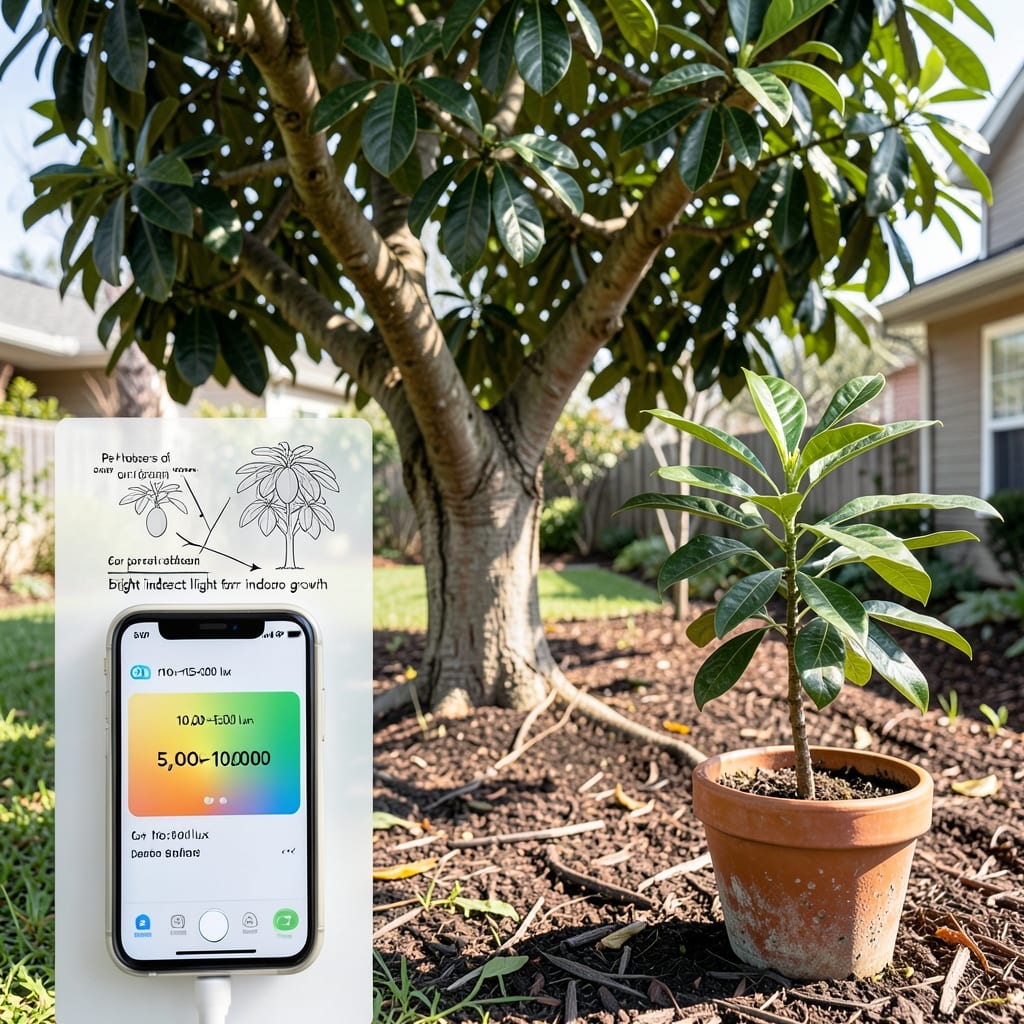
Ideal light requirements for avocado plants: bright indirect sunlight explained
Avocado plants (Persea americana) are tropical natives that crave bright, indirect sunlight to thrive. Unlike many houseplants, they can't survive in dim corners—they need 6-8 hours of light daily, but direct midday sun can scorch their delicate leaves. Think of it as mimicking their natural understory habitat in Mexico and Central America, where they grow beneath taller trees.
The key is finding that golden balance—enough light to fuel growth without causing leaf burn. Young seedlings are especially sensitive, while mature plants can tolerate slightly more direct exposure. In my experience, placing your avocado near a south-facing window (in the Northern Hemisphere) provides the perfect mix of brightness and protection from harsh afternoon rays.
Here's where most gardeners go wrong: they assume "full sun" means unfiltered direct sunlight. For avocados, this leads to yellowing leaves, crispy edges, and stunted growth. The solution? Use sheer curtains to diffuse light or position your plant 3-6 feet away from the window where it gets dappled sunlight.
| Growth Stage | Light Requirements | Ideal Placement | Signs of Stress |
|---|---|---|---|
| Seedling (0-1 year) | Bright indirect light (4-6 hours) | East-facing window or 10-12 inches from south window | Leggy growth, pale yellow leaves |
| Juvenile (1-3 years) | 6-8 hours bright light (mix direct/indirect) | South window with sheer curtain or 3-5 ft away | Brown leaf tips, slow growth |
| Mature (3+ years) | 8+ hours bright light (tolerates 2-3 hours direct) | Outdoor in partial shade or south window without curtain | Leaf scorch, curled leaves |
| Fruiting Stage | Full sun tolerance (6-10 hours) | Outdoor in morning sun + afternoon shade | Dropped fruit, bitter taste |
For outdoor avocado plants in USDA Zones 9-11, they can handle full sun exposure once established, but always acclimate them gradually. I recommend moving potted plants outdoors in spring by placing them in dappled shade for the first week, then gradually increasing sun exposure by 1-2 hours daily.
If you're growing avocados indoors, pay attention to seasonal light changes. During winter, when daylight is shorter, supplement with a grow light for 12-14 hours daily. I use a full-spectrum LED 12 inches above my plant for 6 hours in the evening, which keeps it thriving through the darker months.
Pro tip: Rotate your plant quarter-turn weekly to ensure even growth. Avocados grow toward the light source, which can cause them to become lopsided if left in one position. This simple habit keeps your plant balanced and encourages bushier growth patterns.
Remember that light quality matters as much as quantity. Avocados need blue and red light spectrums for optimal photosynthesis. If your plant looks stretched and weak, it's likely not getting enough blue light—common in indoor settings with only warm white bulbs.
For container growers, choose pots with light-colored surfaces to reflect more light onto the leaves. Dark pots absorb heat and can stress the roots, while lighter colors help maintain even temperatures. My avocado thrives in a terracotta pot because it breathes well and reflects additional light onto the foliage.
Finally, watch for seasonal adjustments. In summer, you may need to filter direct sun with a sheer curtain, while winter might require moving your plant closer to the window. The goal is always consistent bright light—never letting your avocado sit in low-light conditions for extended periods.
Ideal light requirements for avocado plants: bright indirect sunlight explained
Avocado plants thrive best with bright indirect sunlight, which mimics their natural tropical environment. While they need plenty of light, direct midday sun can scorch their leaves, especially for young plants. Think of it like giving your plant a sunbath through a sheer curtain—enough light to grow but not harsh enough to burn.
For indoor avocado plants, position them near a south-facing window where they can receive 6-8 hours of filtered light daily. If you notice leaves turning yellow or brown near the edges, your plant is getting too much direct sun. Rotate the pot every few weeks to ensure even growth and prevent leaning toward the light.
Outdoor avocados, especially in USDA Zones 9-11, love full sun exposure but still benefit from afternoon shade during peak summer months. If you live in cooler climates, grow your avocado in a container and bring it indoors before temperatures drop below 50°F.
One common mistake I see is placing avocado plants in low-light corners or under fluorescent bulbs, which leads to weak, elongated stems. If your plant starts stretching toward the light source, it’s a clear sign of light deficiency. To fix this, move your plant closer to a brighter window or supplement with a grow light.
For outdoor avocados, watch for signs of heat stress like crispy leaf edges or drooping foliage during summer. Providing afternoon shade with a lightweight shade cloth (30-50% coverage) can make a huge difference. In cooler climates, consider using a greenhouse or moving potted avocados indoors before the first frost.
Remember, avocados are tropical plants, so they hate cold drafts and direct winter sun. If you’re growing yours indoors, keep it away from AC vents, heaters, or drafty windows. The ideal temperature range is 65-80°F, with humidity levels around 50-70% to mimic their native environment.