
Light Requirements
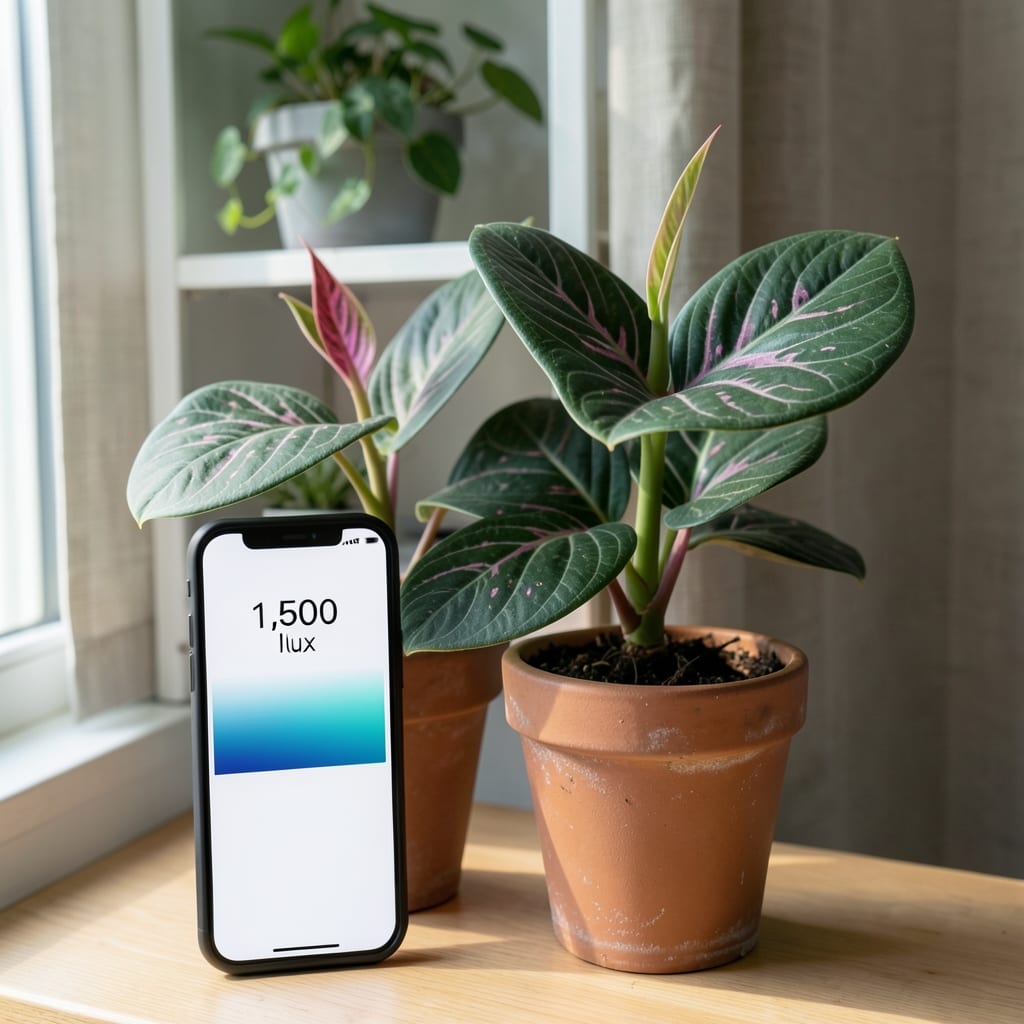
If your Prayer Plant 🌿 looks like it’s throwing a silent temper tantrum with droopy leaves or pale patches, you’re probably missing the mark on how much light this prayer plant needs. The right amount of brightness isn’t just about keeping it alive—it’s what turns those leaves into the stunning, patterned masterpieces they’re famous for.
Most plant guides will tell you Prayer Plants need bright indirect light, but what does that really mean? Picture this: 4 to 6 hours of filtered sunlight daily—think of an east-facing window where the morning sun kisses the leaves without scorching them. Too little light, and your plant will stretch and weaken; too much, and those gorgeous patterns fade to a sad, sun-bleached green.
Here’s the good news: getting it right isn’t rocket science. I’ll walk you through exactly where to place your Prayer Plant 🌿 in your home, how to spot the warning signs when it’s not happy, and even what to do if your space is low on natural light. No more guesswork—just lush, thriving foliage that’s the star of your plant collection.
Ready to transform that struggling Prayer Plant into a showstopper? Let’s dive into the light secrets that’ll have it reaching for the sky—literally.

Optimal light requirements for prayer plant growth: the 4-6 hour rule explained
If you’ve ever watched your prayer plant (Maranta leuconeura) droop or lose its stunning foliage, chances are its light conditions aren’t quite right. This tropical beauty thrives in bright indirect light, mimicking its native understory habitat. Too little light leads to pale, leggy growth, while too much causes leaf scorch or crispy edges. The sweet spot? 4-6 hours of filtered sunlight daily, adjusted for seasonal changes.
Most gardeners mistakenly assume more light is better, but prayer plants are sun-sensitive. Direct afternoon sun acts like a magnifying glass, burning delicate leaves. Instead, aim for east-facing windows or north-facing spots where sunlight is gentle. Even a sheer curtain can diffuse harsh rays, creating the perfect low-light tolerance environment. Think of it as giving your plant a tropical vacation without the jet lag.
Here’s the light rule of thumb for prayer plants: morning sun is your friend, but afternoon sun is your enemy. If your home lacks natural light, don’t panic—artificial grow lights can step in. We’ll cover those later, but first, let’s break down the ideal light spectrum and how to spot the perfect location in your space.
| Light Requirement | Specification | Ideal Scenario |
|---|---|---|
| Daily Light Hours | 4-6 hours | East-facing window (6 AM–12 PM) or north-facing all day |
| Light Type | Bright indirect | Filtered through sheer curtains or trees |
| Direct Sun Tolerance | Morning only (max 2 hours) | Avoid afternoon sun to prevent leaf burn |
| Winter Adjustment | Supplement with grow lights | 12–14 hours of light daily for consistent growth |
| Summer Adjustment | Move to indirect light | Avoid direct sun; use sheer curtains |
Now that you know the ideal light conditions, let’s talk seasonal tweaks. During summer months, when sunlight is intense, your prayer plant may need to retreat from its usual spot. Move it 5–10 feet back from a south-facing window or add a light-filtering screen. In winter, when days are shorter, supplement with a 12–14 hour light cycle using a simple LED grow bulb. This mimics longer days and keeps your plant from stretching or becoming leggy.
Pro tip: Rotate your prayer plant every 2–3 weeks to ensure even growth. Plants naturally lean toward light sources, so a slow quarter-turn keeps foliage balanced and vibrant. This also helps you spot light deficiencies early—like pale leaves or slow growth—before they become serious issues. Think of it as a gentle spa treatment for your leafy friend.
If you’re still unsure whether your space meets the 4-6 hour rule, try this quick test: Place a white piece of paper near your plant’s usual spot. If the sunlight creates a sharp shadow (like a pencil tip), the light is too direct. If the shadow is soft and diffuse, you’ve hit the sweet spot. This simple trick saves you from trial and error—and a sad, sunburned prayer plant.
Remember, prayer plants are low-light lovers, not sun worshippers. They’ll forgive occasional missteps, but consistency is key. With the right light balance, your plant will reward you with bold foliage patterns and a lush, healthy appearance. Next, we’ll cover what happens when light goes wrong—and how to fix it fast.
🌿
Optimal light requirements for prayer plant growth: the 4-6 hour rule explained
Your Prayer Plant 🌿 thrives on bright indirect light, which means it craves sunlight but needs protection from harsh rays. Think of it like a sunbather who wants warmth without a sunburn—4 to 6 hours of filtered light daily is the sweet spot. This mimics its natural habitat under the dappled canopy of tropical forests, where sunlight gently filters through leaves above.
The key is avoiding direct afternoon sun, which can scorch those delicate leaves and fade their stunning patterns. Instead, aim for east-facing windows where morning sunlight is soft, or west-facing windows with sheer curtains to diffuse the light. South-facing windows work too, but only if your plant is placed 6+ feet away to prevent leaf burn.
| Light Condition | Ideal Hours | Best Location | Leaf Color Impact |
|---|---|---|---|
| Bright Indirect | 4-6 hours | East/west window, 3-6 ft away | Vibrant patterns |
| Low Light | <2 hours | North window, deep shade | Pale, stretched leaves |
| Direct Sun | >6 hours | South window, no filter | Brown patches, bleached |
Seasonal shifts can throw off your Prayer Plant’s light needs. During winter months, when natural light dims, supplement with a grow light 12 inches away for 6 hours daily. In summer, watch for longer daylight hours—move your plant slightly farther from the window if leaves start yellowing or crisping at the edges.
Pro tip: Rotate your plant quarter-turn weekly to ensure even growth. Uneven light exposure causes lopsided growth, where leaves lean toward the light source. This simple habit keeps your Prayer Plant 🌿 bushy and symmetrical, with those coveted patterns showing off on all sides.
If you’re unsure about your space, test it with a light meter app (like Light Meter Pro) to measure 1,000-2,000 foot-candles of light—this is your Prayer Plant’s ideal range. Most smartphones can do this too, so no fancy tools needed!
Remember, bright indirect light isn’t just about survival—it’s what unlocks those showstopping foliage patterns. With the right setup, your Prayer Plant 🌿 will reward you with deep purples, silvers, and greens that make it a true conversation piece. Let’s get those leaves popping!