
Companion Plants
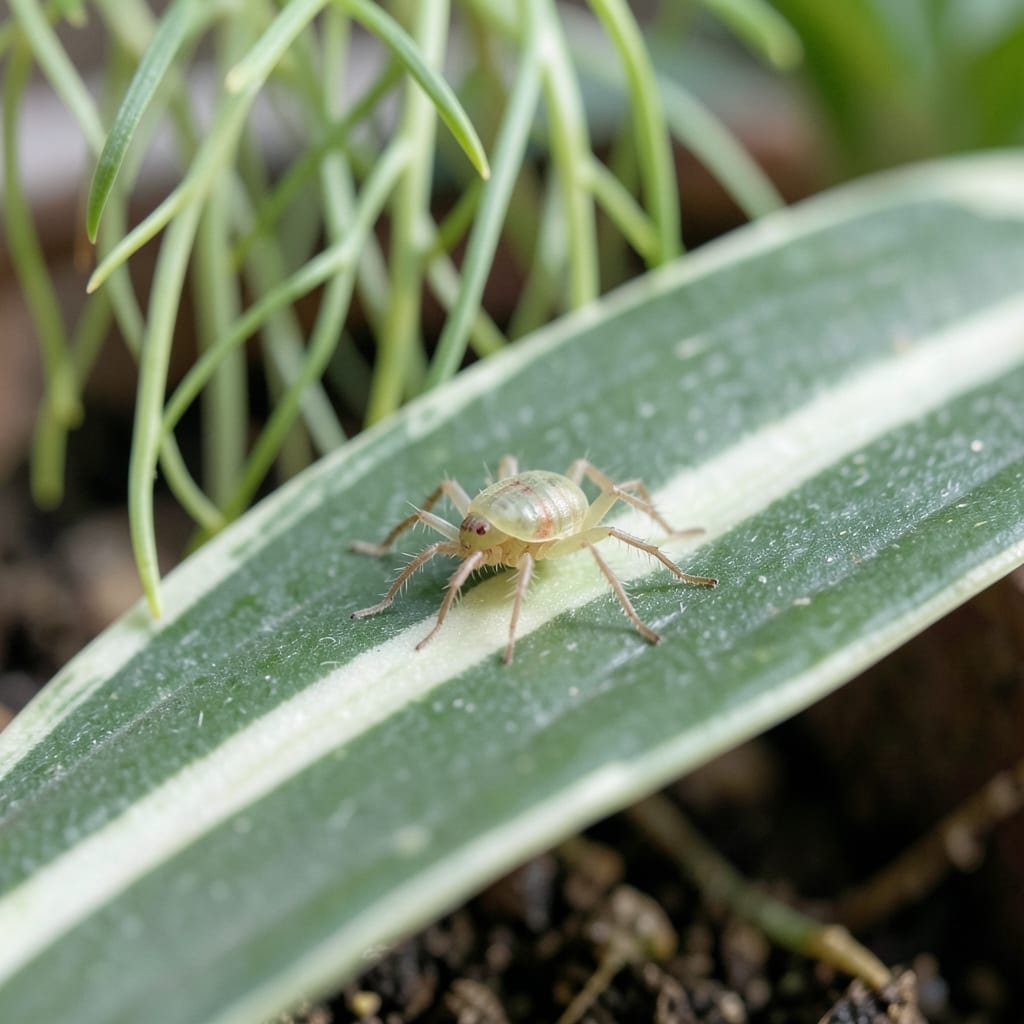
Spider plant light requirements: brightness levels for healthy variegation
Spider plants (Chlorophytum comosum) thrive in bright indirect light, but their stunning variegated leaves need the right balance. Too little light dulls their stripes, while too much causes leaf scorch. Let’s break down the ideal light spectrum and how it impacts your plant’s health and growth speed.
Most spider plants prefer 4-6 hours of filtered sunlight daily. This mimics their natural understory habitat in South Africa. The variegated varieties (with white/yellow stripes) need slightly more light than solid-green types to maintain vibrant colors.
Here’s how different light levels affect your spider plant:
| Light Level | Leaf Color | Growth Rate | Ideal Placement |
|---|---|---|---|
| Bright Indirect (40-60%) | Vibrant variegation | Moderate, healthy | East/west window, 2-3 ft away |
| Medium Indirect (20-40%) | Dull variegation, green dominance | Slower growth | North window, sheer curtain |
| Low Light (<20%) | All-green leaves, no stripes | Very slow, leggy | Dark corners, no direct sun |
| Direct Sun (>80%) | Brown/yellow patches | Stunted, crispy edges | South window, no protection |
For variegated spider plants, bright indirect light (like an east-facing window) keeps those white stripes sharp. Rotate your plant quarter-turn weekly to ensure even light exposure—this prevents lopsided growth and helps maintain symmetry.
If your spider plant starts developing long, thin stems (called etiolation), it’s craving more light. Move it closer to a window or supplement with a 12-hour LED grow light (6-12 inches away). Avoid placing it in direct afternoon sun, which can cause leaf burn within hours.
Pro tip: Test your light conditions with a light meter app (like Light Meter for smartphones). Aim for 1,000-2,000 foot-candles of indirect light for optimal variegation. If you’re unsure, start with a north-facing window—it’s the safest bet for beginners.
Remember, spider plants are forgiving but not indestructible. Even low-light conditions won’t kill them, but they’ll lose their iconic striped patterns. Give them the right light, and you’ll reward yourself with lush, vibrant foliage and those adorable spiderettes dangling from the ends.
🌿
Spider plant light requirements: brightness levels for healthy variegation
Spider plants (Chlorophytum comosum) thrive in bright indirect light, but their stunning variegated leaves need just the right balance. Too little light dulls the colors, while too much causes leaf burn and crispy edges. Understanding the three light zones—low, medium, and bright indirect—helps you create the perfect environment for lush, vibrant growth.
The ideal light level for spider plants is 4-6 hours of bright indirect sunlight daily. This mimics their natural habitat under dappled forest light. Place your plant near an east or north-facing window for consistent, gentle illumination. South-facing windows can work, but use sheer curtains to filter harsh afternoon rays.
🌱 Did You Know?
In medium indirect light (like a few feet from a window), spider plants grow slower but stay healthy. Their leaves may appear darker green and less vibrant, but they won’t suffer. This is a great option for west-facing windows with afternoon shade or brightly lit rooms without direct sun.
Low light (deep corners, basements, or rooms with no natural light) causes leggy growth—long, sparse stems with small, pale leaves. If your spider plant stretches toward the light, it’s begging for more brightness. Move it closer to a window or supplement with a low-wattage grow light (6-12 inches away, 12-14 hours daily).
For direct sunlight, spider plants are highly sensitive. Even 1-2 hours of morning sun can scorch leaves, turning them yellow or brown along the edges. If your plant gets accidental sun exposure, rotate it quarter-turns weekly to prevent uneven damage. Use reflective surfaces (like a mirror) to bounce light gently onto the plant.
Pro tip: Rotate your spider plant every 2-4 weeks to ensure even light exposure. This prevents one-sided growth and keeps those arching, grass-like leaves symmetrical and full. A well-lit spider plant rewards you with longer, healthier spiderettes (the cute baby plants that dangle like spiders!).