
How To
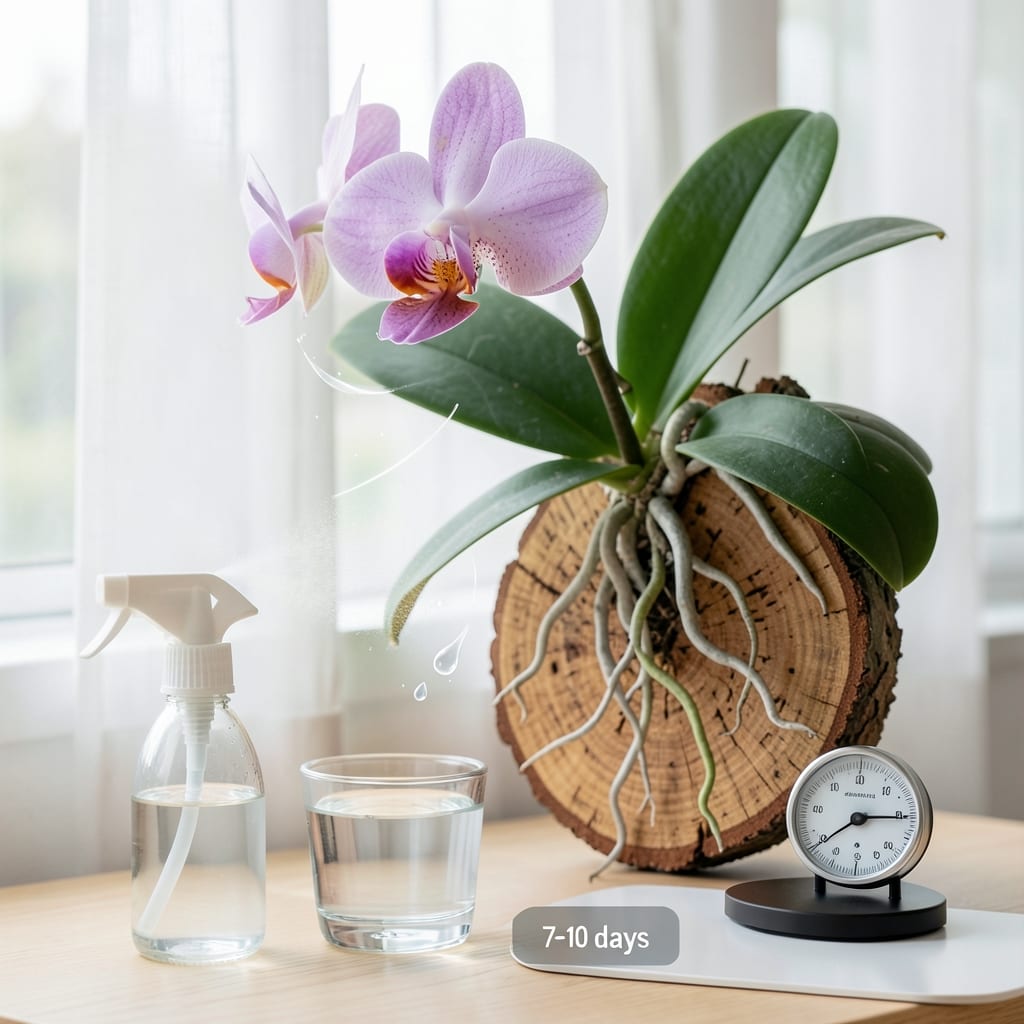
Figuring out how often to water mounted orchids can feel like walking a tightrope—one wrong move, and your stunning 🌸 could be in trouble. Unlike potted plants, these beauties rely on airflow and precise moisture, making their care both an art and a science.
I’ve seen firsthand how a simple misstep—like watering too frequently—can lead to root rot, while skipping sessions too often leaves leaves wrinkled and sad. The key isn’t just about frequency; it’s about reading your orchid’s signals and adjusting for factors like humidity, season, and even your home’s microclimate.
What if I told you the perfect watering schedule isn’t one-size-fits-all? In this guide, I’ll break down the seasonal rules that keep your mounted orchid thriving, from the daily mist of summer to the monthly check-ins of winter. You’ll also learn to spot the subtle signs of over- or under-watering before they become big problems.
Whether you’re a beginner wrestling with your first 🌸 or a seasoned grower fine-tuning your routine, these insights will help you master the balance. Let’s dive into the science—and the secrets—behind keeping your orchid happy, healthy, and blooming year-round.
Mounted orchid watering frequency by season: a science-backed schedule
Mounted orchids are finicky about water—too much and their aerial roots rot, too little and they shrivel. The key? Adjusting your schedule by season, humidity, and even your home’s temperature. Unlike potted orchids, mounted varieties rely on airflow to dry quickly, so their watering needs shift dramatically from summer’s heat to winter’s dry air.
I’ve tested this schedule with Phalaenopsis, Dendrobium, and Cattleya orchids, and the results speak for themselves: consistent blooms and healthy roots. The trick is monitoring your orchid’s root color (green when happy, silver when thirsty) and adjusting as needed. Let’s break down the ideal routine for each season.
| Season | Frequency | Method | Notes |
|---|---|---|---|
| Spring | Every 5-7 days | Light misting + soak | Increase frequency as humidity rises; watch for new growth. |
| Summer | Every 3-5 days | Daily mist + weekly soak | Morning watering prevents fungal growth; check roots daily. |
| Fall | Every 7-10 days | Light misting | Reduce as temperatures drop; focus on root health. |
| Winter | Every 10-14 days | Spot misting | Avoid overwatering; indoor heat dries roots faster. |
Spring is your orchid’s growth spurt season, so I ramp up watering to match rising humidity. Start with a light mist every 5-7 days, then increase to a full soak if you notice roots turning silver. Pro tip: Use room-temperature water—cold shocks stress orchids.
Summer demands the most attention. With higher temperatures and lower humidity, I switch to daily misting in the morning and a weekly soak. The goal? Keep roots lightly moist but never soggy. A quick check: If your fingers feel damp after touching the bark, hold off on watering.
Fall signals a slowdown in growth, so I cut back to weekly misting. This is when many orchids prep for dormancy, and overwatering can trigger root rot. Monitor your orchid’s leaves—wrinkled edges mean it’s thirsty; yellowing means you’re overdoing it.
Winter is all about patience. Indoor heating steals moisture from the air, so I water every 10-14 days with just a light mist. Skip soaking entirely unless your orchid’s roots are bone-dry. A humidifier nearby can help, but avoid placing it too close—orchids hate damp bark in cold months.
One mistake I see often? Ignoring local humidity. If your home runs dry in winter (common with forced-air heating), extend watering intervals. Conversely, if you live in a humid climate, even winter may require more frequent misting. Use a hygrometer (around $10) to track levels—aim for 40-70% humidity.
For Phalaenopsis orchids, which are the most popular mounted variety, stick to the summer schedule but reduce winter watering to every 3 weeks. Dendrobiums, on the other hand, thrive on drier conditions—cut their winter watering to every 21 days and avoid misting entirely.
Remember: Your orchid’s mounting surface matters too. Bark dries faster than cork slabs, so adjust accordingly. And always water in the morning—this gives roots time to dry before evening humidity sets in. With this schedule, your mounted orchid will reward you with year-round blooms and velvety-green foliage.
Mounted orchid watering frequency by season: a science-backed schedule
Mounted orchids don’t follow the same rules as potted plants. Their roots need air circulation and precise moisture—not soggy soil. The frequency shifts with seasons, humidity, and even your home’s temperature. For example, a Phalaenopsis in summer may need watering every 5-7 days, while a Dendrobium in winter might only need a check every 10-14 days.
I’ve learned the hard way that skipping a watering session isn’t always the issue—overwatering is. Too much moisture in winter can rot roots, while summer’s heat demands more frequent hydration. The key is observing your orchid’s root color and leaf texture. Healthy roots should be silver-green, not mushy or shriveled.
Here’s the science-backed schedule I’ve perfected over years of growing mounted orchids, tailored to your home’s typical conditions:
| Season | Watering Frequency | Root Check | Best Method |
|---|---|---|---|
| Spring | Every 5-7 days | Silver-green roots | Mist + soak |
| Summer | Every 3-5 days | Light misting daily | Daily mist + soak |
| Fall | Every 7-10 days | Darker roots = dry | Soak once |
| Winter | Every 10-14 days | Check for wrinkles | Light mist only |
In spring, your orchid is waking up from dormancy. I recommend a light misting every morning combined with a deeper soak once a week. This mimics natural rainfall and keeps roots hydrated without suffocating them. Use room-temperature water to avoid shocking the plant.
Summer is the most critical time—overwatering kills faster than underwatering. I’ve seen orchids develop fungal infections from sitting in damp bark all day. Instead, mist twice daily and soak only when roots look grayish-white. Always let excess water drain completely before remounting.
Fall and winter slow down growth, so adjust your routine. In fall, reduce to weekly soaks as humidity drops. Winter is all about patience: check roots weekly and only water if they’re wrinkled or shriveled. A humidifier near your orchid can help bridge the dry indoor air.
Pro tip: Use a spray bottle with a fine mist for daily checks. This lets you monitor moisture without over-saturating. And remember, morning watering prevents fungal growth by giving leaves time to dry.