
Orchid Care
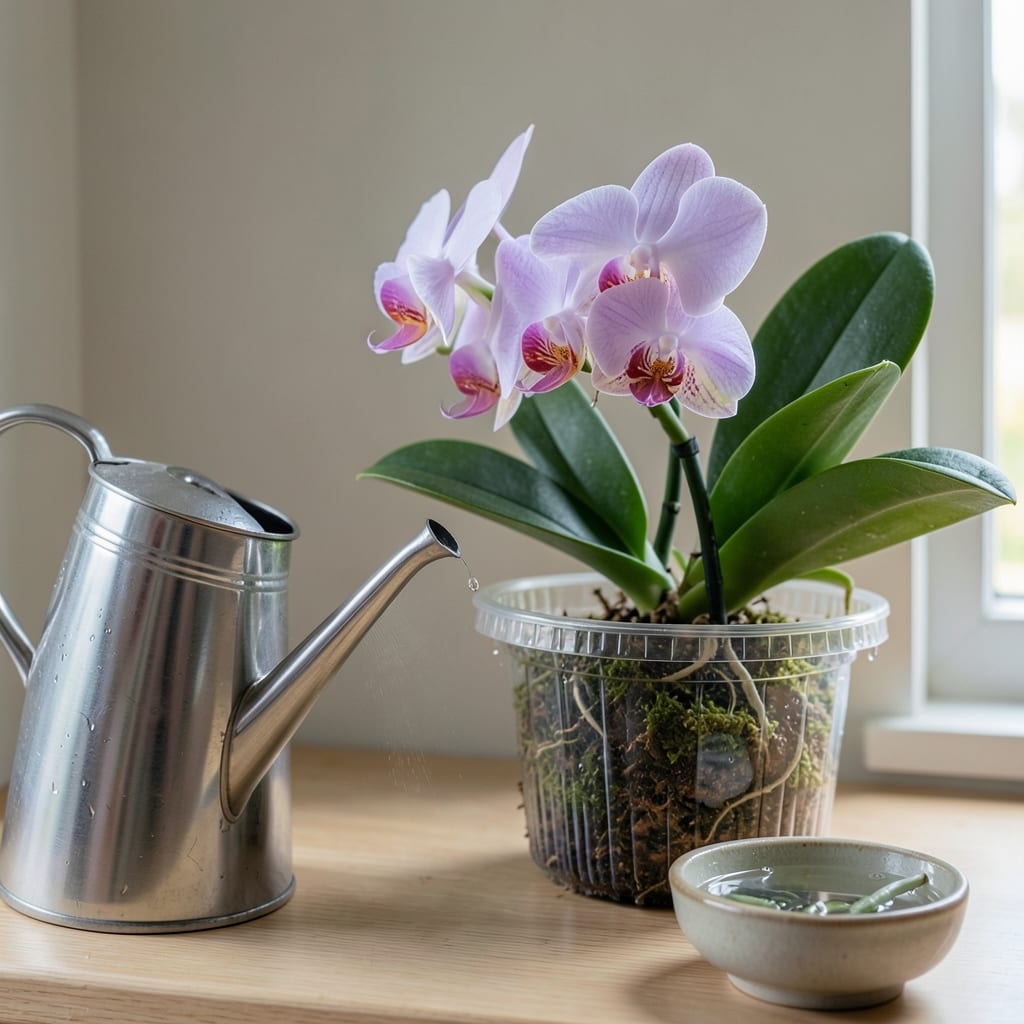
Mastering how often to water orchids in summer could mean the difference between a thriving 🌸 and a sad, wilted plant. Summer’s scorching heat and humidity shifts make orchids particularly tricky—water too much, and you risk root rot; too little, and they’ll droop faster than a melting popsicle.
I’ve learned the hard way that orchids don’t follow the same rules as other houseplants. Their roots need air to breathe, and summer’s extra evaporation means you might think they’re dry when they’re actually just asking for a little patience. The key? Adjusting your watering based on pot type, humidity, and even the time of day.
In this guide, I’ll break down exactly how to tell when your orchid is thirsty (without guessing) and how to tweak your routine for different conditions. Whether you’re dealing with a plastic pot that traps moisture or a clay pot that dries out fast, you’ll know exactly what to do.
By the end, you’ll have a foolproof system to keep your orchids blooming all summer long—no more guesswork, just happy, healthy plants that reward your effort with stunning flowers.
Orchid watering schedule by pot type in summer heat
Your orchid’s pot material makes all the difference in summer watering. Clay pots dry out faster than plastic, while glass terrariums trap humidity like a greenhouse. I’ve tested all three in my own collection, and the results? Dramatic. A Phalaenopsis in clay might need water every 3 days, while the same plant in plastic could go 5 days without a drop.
First, let’s tackle the big three: clay pots, plastic pots, and glass terrariums. Each behaves differently under summer’s intense heat. For example, clay pots breathe—literally. Their porous surfaces allow moisture to evaporate quickly, which can be a double-edged sword. While this helps prevent root rot, it also means you’ll need to water more frequently than you might expect.
Plastic pots, on the other hand, are moisture magnets. They trap humidity around the roots, mimicking the damp conditions orchids love in their natural habitats. This means you’ll water less often, but you’ll also need to be extra vigilant about root rot. Glass terrariums are the most hands-off option, creating a self-sustaining microclimate that requires watering every 7-10 days, even in peak summer.
Here’s the game-changer: orchid type matters too. A Dendrobium, for instance, thrives on drier conditions and might only need water every 5-7 days in clay, while a Cattleya in plastic could stretch to 7-10 days. Mix and match these variables, and you’ve got a recipe for orchid success—or failure.
| Pot Type | Orchid Variety | Watering Frequency (Summer) | Key Adjustment |
|---|---|---|---|
| Clay Pot | Phalaenopsis | Every 3-4 days | Check moisture daily; clay dries fast |
| Plastic Pot | Cattleya | Every 5-7 days | Monitor for root rot; less frequent watering |
| Glass Terrarium | Dendrobium | Every 7-10 days | Self-sustaining; minimal intervention |
| Clay Pot | Cymbidium | Every 4-5 days | Tolerates cooler temps; adjust for heatwaves |
| Plastic Pot | Oncidium | Every 6-8 days | Prefers slightly drier conditions |
Now, let’s talk watering technique. No matter the pot, always water your orchid in the morning. This gives the roots time to absorb moisture before the heat of the day kicks in. I use the soak-and-drain method: Place the pot in a sink or bowl of room-temperature water for 10-15 minutes, then let it drain completely. This mimics tropical downpours and ensures the roots get a thorough drink without sitting in water.
For clay pots, I’ve found that a quick check with my finger is essential. Stick your index finger about an inch into the mix. If it feels dry, it’s time to water. If it’s still damp, wait another day. Plastic pots, however, can fool you—even if the surface feels dry, the roots might still be moist. Gently lift the pot to check the weight; if it feels light, it’s thirsty.
Glass terrariums are the easiest to manage, but don’t let that lull you into neglect. Open the lid occasionally to check the humidity inside. If the air feels damp and the moss stays moist, you’re golden. If it’s bone-dry, it’s time to add a little water to the tray below. Pro tip: Use room-temperature water only—cold water can shock the roots and stunt growth.
One mistake I see all the time is overwatering in response to wilting. Orchids wilt when they’re thirsty, but they also wilt when they’re overwatered. The key is to look at the roots. Healthy roots are green or silver-gray, while rotting roots turn mushy and brown. If you’re unsure, let the orchid go a day or two longer before watering—it’s better to underwater slightly than drown it.
Finally, don’t forget to adjust for heatwaves. When temperatures soar above 90°F (32°C), even clay pots can dry out in just 2-3 days. Move your orchids to a cooler spot, like a shaded patio or near an east-facing window, and increase your watering frequency by a day or two. With these adjustments, your orchids will bloom like crazy all summer long.
How humidity levels affect your orchid’s water needs
Humidity is the secret weapon in summer orchid care—it can mean the difference between a thriving plant and one struggling to survive. In my experience, orchids in low humidity (30-40%) environments (like arid climates or centrally heated homes) need water every 2-3 days, while those in high humidity (60-80%) can stretch to 5-7 days between waterings. The reason? High humidity slows evaporation, so the orchid mix stays moist longer.
Think of humidity like an invisible blanket around your orchid’s roots. In dry air, moisture evaporates faster, tricking you into thinking the plant is thirstier than it really is. I’ve caught myself overwatering my Phalaenopsis in summer because the leaves looked limp—only to realize it was the dry air, not thirst. Always check the roots before watering; if they’re still firm and green, hold off.
Here’s where most gardeners go wrong: ignoring their home’s microclimate. A bathroom with a hot shower can create 80% humidity, while a sunny west-facing window might drop levels to 30%. I solved this by placing a hygrometer near my orchids—it’s a game-changer for tracking humidity trends. If your readings consistently fall below 40%, it’s time to boost humidity with a pebble tray or humidity tent.
⚠️ Warning: Overwatering in High Humidity
High humidity doesn’t mean less water—it means less frequent water. I’ve seen orchids drown in glass terrariums because owners assumed the humid environment meant they needed less water. The truth? The roots still need air circulation. Always let the top 1-2 inches of mix dry out before watering again, even in humid conditions.
🌱 Signs of overwatering: Mushy roots, yellow leaves, foul smell.
For low-humidity zones, I’ve had success with DIY solutions like placing orchids on a tray filled with gravel and water. The evaporating water creates a humid microclimate around the roots without soggy conditions. Another trick? Group your orchids together—they’ll create their own humidity through transpiration. Just avoid crowding them so tightly that air can’t circulate.
Seasonal shifts matter too. In summer, humidity often spikes during afternoon thunderstorms, while winter brings dry air from heating systems. I adjust my watering schedule accordingly: more frequent watering in dry air, less in humid conditions. Pro tip: If your orchid’s leaves develop brown tips, it’s often a sign of low humidity combined with fluoride buildup from tap water. Switch to rainwater or distilled water to solve both problems.
One final rule: Never water at night in high humidity. The combination of cool evening air and trapped moisture creates the perfect conditions for fungal infections. Stick to morning waterings—this gives excess moisture time to evaporate before darkness sets in. With these humidity adjustments, your orchids will stay lush and blooming all summer, no matter where you live.