
Flowers
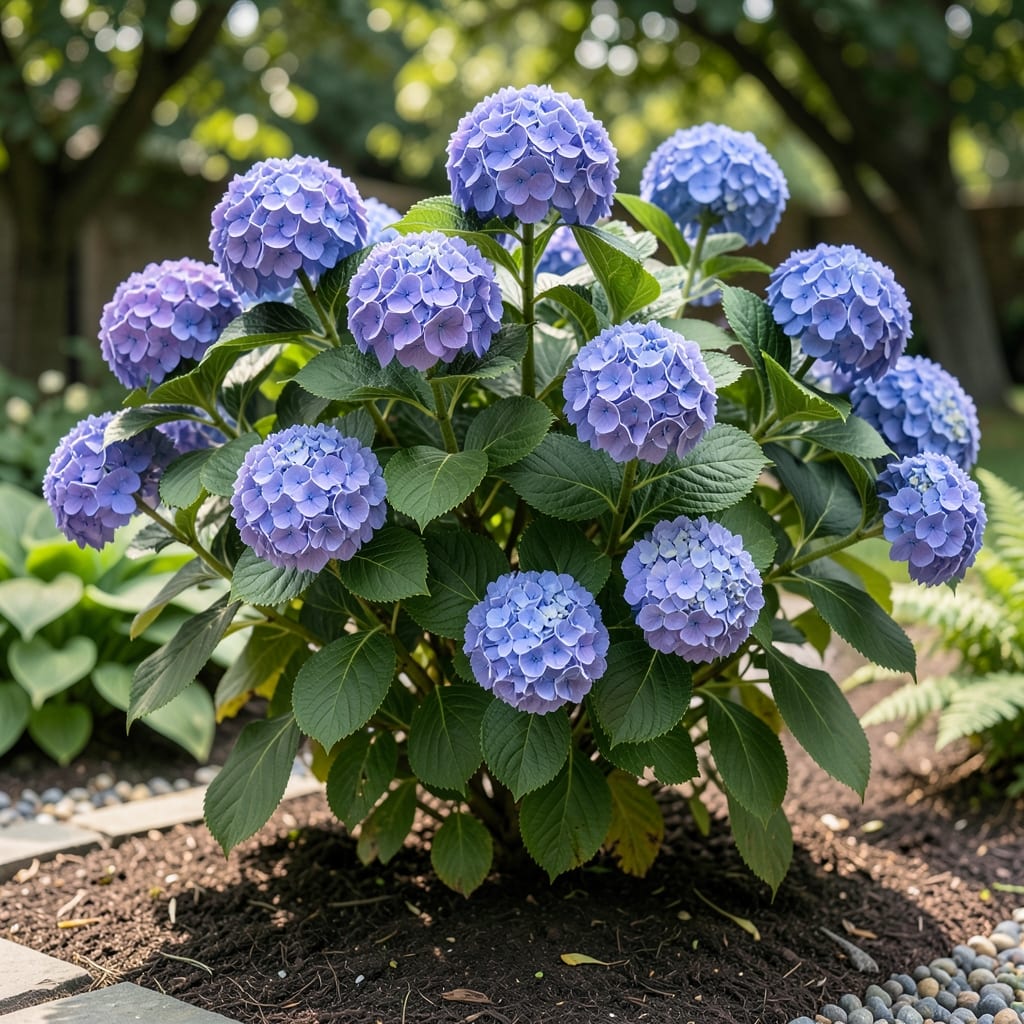
Wondering how tall and wide do hydrangeas grow before you commit to planting? These stunning 🌸 hydrangeas can range from compact shrubs to towering garden stars, and getting the spacing right is key to their success.
From the delicate lacecaps to the bold mopheads, each variety has its own personality—and size. Some stay neatly contained at just 2-3 feet, perfect for small gardens, while others stretch toward the sky at 8 feet tall, demanding more room to shine. The good news? With the right knowledge, you can plan your garden layout for perfect blooms without overcrowding.
But here’s what most gardeners miss: sunlight, soil, and pruning habits all play a role in how big your hydrangeas will get. A lacecap in full sun might sprawl wider than one in partial shade, and skipping pruning can turn a manageable shrub into a jungle. Let’s break down the exact sizes by variety so you can choose—and space—the right hydrangeas for your garden’s vibe.
Ready to transform your outdoor space? I’ll walk you through the essential spacing rules, pruning tips, and even how to keep dwarf varieties from outgrowing their welcome. Your dream garden starts with knowing exactly how much room these beauties need to thrive.

Hydrangea size guide: average height and spread by major variety types
Hydrangeas aren’t one-size-fits-all—some varieties grow like small trees while others stay compact enough for container gardens. Understanding their mature size helps you plan spacing, sunlight exposure, and even pruning strategies to keep your garden thriving. Let’s break down the most popular types and their growth habits so you can choose the perfect fit for your space.
First, consider Hydrangea macrophylla, the classic mophead and lacecap types. These beauties typically reach 3–6 feet tall and 3–5 feet wide at maturity, making them ideal for foundation plantings or mixed borders. Their lush blooms thrive in partial shade, but their size means they need room to breathe—crowding leads to poor airflow and fungal issues.
Hydrangea paniculata, like the beloved 'Limelight' or 'Little Lime,' grows even taller—often 6–8 feet tall and 4–6 feet wide. These varieties are more adaptable to full sun and produce dramatic, cone-shaped blooms that last from summer into fall. If you love height, these are your go-to, but they’ll need 8–12 feet of space between plants for optimal growth.
For smaller gardens, dwarf hydrangeas like 'Endless Summer' (macrophylla) or 'Little Quickfire' (paniculata) are game-changers. These stay under 2–3 feet tall and 2–3 feet wide, perfect for containers or tight borders. Their compact size doesn’t mean sacrificing blooms—many dwarf varieties produce just as many flowers as their larger cousins!
Now, let’s talk Hydrangea arborescens, the oakleaf hydrangea. This native variety grows 3–5 feet tall and 3–4 feet wide, with stunning foliage that turns fiery red in fall. It’s a versatile choice for woodland gardens or shade areas, and its rounded shape works well in groups or as a standalone specimen.
Don’t overlook climbing hydrangeas, like Hydrangea petiolaris, which can reach 20–30 feet tall if given a sturdy trellis or wall. These are rare but stunning for vertical gardening, adding drama to fences or pergolas. Their width is typically 3–5 feet, but their height is their star feature.
Here’s where it gets tricky: pruning impacts size. Over-pruning can stunt growth, while aggressive pruning of old wood bloomers (like macrophylla) can remove next year’s flowers. Always research your variety’s blooming habit before reaching for the shears!
If you’re planning a hydrangea hedge, space plants 3–4 feet apart for dense coverage. For single specimens, give them 5–6 feet of clearance on all sides to prevent competition. And remember—hydrangeas grow faster in rich, moist soil with partial shade, so adjust spacing if your garden has full sun or poor drainage.
| Variety | Mature Height | Mature Width | Best For | Spacing Needs |
|---|---|---|---|---|
| Hydrangea macrophylla (Mophead/Lacecap) | 3–6 ft | 3–5 ft | Borders, foundation plantings | 5–6 ft apart |
| Hydrangea paniculata (Limelight, Little Lime) | 6–8 ft | 4–6 ft | Statement plants, full sun | 8–12 ft apart |
| Hydrangea arborescens (Oakleaf) | 3–5 ft | 3–4 ft | Shade gardens, woodland areas | 4–5 ft apart |
| Dwarf Hydrangeas (Endless Summer, Little Quickfire) | 2–3 ft | 2–3 ft | Containers, small gardens | 3–4 ft apart |
| Hydrangea petiolaris (Climbing) |