
Size
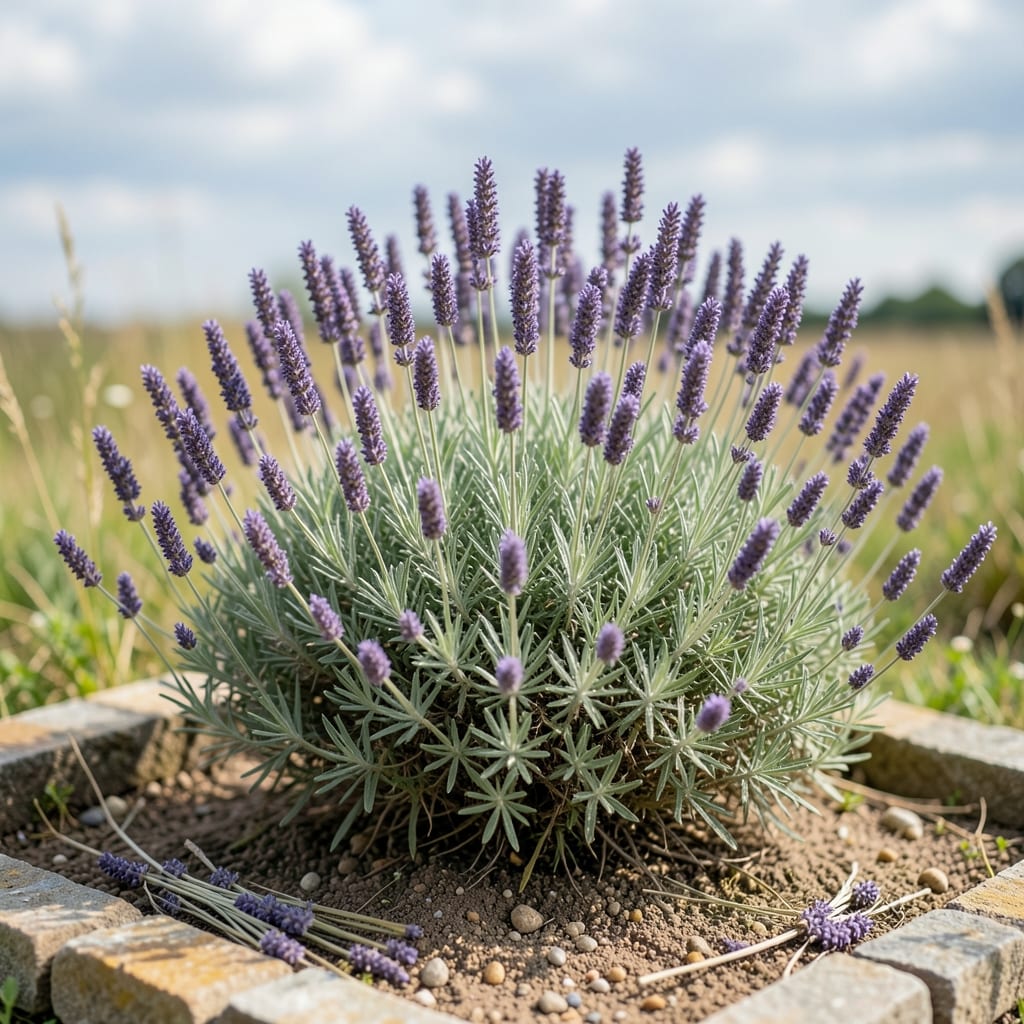
Wondering how tall and wide your 🌿 lavender will grow before you plan your garden layout? The answer depends more on the variety than you might think—some stay compact enough for window boxes while others reach waist height in just a few seasons.
If you're working with limited space in USDA Zone 6a, you'll love knowing that dwarf varieties like 'Hidcote' or 'Munstead' typically max out around 12-18 inches tall and wide, making them perfect for containers or tight borders. Meanwhile, standard types like English lavender can stretch up to 3 feet when mature.
The key to controlling lavender's size lies in proper spacing and pruning—planting too close together can stunt growth, while aggressive trimming after flowering keeps bushes bushier. Let me show you exactly how to balance these factors for your garden's layout.
Whether you're creating a fragrant hedge or just adding a few plants to your patio, understanding these dimensions will help you maximize both beauty and space. Let's break down the best options for your growing conditions.


Lavender growth dimensions: height and spread by popular varieties
When planning your garden, knowing the mature size of lavender varieties helps you create a visually balanced layout. English lavender typically grows 2-3 feet tall and spreads 2-3 feet wide, making it ideal for borders or hedges. Meanwhile, Spanish lavender often reaches 3-4 feet tall but stays narrower at 1-2 feet wide, perfect for vertical accents.
If you're working with limited space, dwarf varieties like 'Hidcote' or 'Munstead' are game-changers—they max out around 12-18 inches tall and wide. These compact types thrive in containers or tight garden beds, giving you the same fragrant beauty without the bulk. For example, 'Kew Red' stays under 18 inches while still producing vibrant blooms.
Gardeners in USDA Zone 6a often favor French lavender for its 2-3 foot height and 2-4 foot spread, creating a lush, low-maintenance ground cover. Understanding these dimensions ensures you space plants correctly—crowding them can lead to poor airflow and disease, while giving them too much room may leave gaps in your design.
Let’s compare the most popular lavender types to help you pick the perfect fit for your garden. Whether you need a tall hedge, a compact container plant, or a sprawling ground cover, the right variety will transform your space with minimal effort.
For container gardening, prioritize varieties like 'Hidcote' or 'Kew Red'—their compact growth makes them perfect for 12-inch pots. These types also thrive in window boxes, adding height and fragrance to patios without overwhelming your space. If you're aiming for a privacy screen, plant English lavender in a row with 18-24 inches between plants to encourage fuller growth.
One common mistake is assuming all lavender grows the same size. Spanish lavender, for example, can reach 4 feet tall but only spreads 1-2 feet, making it ideal for narrow garden beds. Meanwhile, French lavender spreads wider, creating a lush carpet of purple blooms. Always check the variety’s mature size before planting to avoid overcrowding or wasted space.
Proper spacing also impacts airflow, which is critical for preventing lavender root rot. Plant dwarf varieties at least 12 inches apart, while taller types like English lavender need 24-36 inches of space. This ensures each plant gets enough sunlight and air circulation, leading to healthier, more vibrant growth.
In my own garden, I’ve found that mixing lavender heights creates visual interest. For instance, pairing tall Spanish lavender (3-4 feet) with compact Hidcote
Lavender growth dimensions: height and spread by popular varieties
When planning your garden, knowing the mature size of lavender varieties helps you choose the right plants for your space. Most lavender plants reach their full height within 2-3 years, with some compact types maturing faster. For example, English lavender varieties like 'Munstead' typically grow 2-3 feet tall and 1.5-2 feet wide, while Spanish lavender like 'Papillon' stays shorter at 1-2 feet tall but spreads wider up to 3 feet.
The key difference lies in their growth habits—English lavender grows upright, while Spanish lavender spreads outward. This affects how you space them in your garden. For instance, planting 'Hidcote' lavender (a dwarf variety) just 12 inches apart works perfectly for window boxes, whereas 'Grosso' lavender needs 2-3 feet of space to thrive in borders.
Here’s a quick reference for the most popular lavender varieties and their mature dimensions:
| Variety | Height (ft) | Width (ft) | Best For |
|---|---|---|---|
| English Lavender ('Munstead') | 2-3 | 1.5-2 | Borders, hedges |
| Dwarf English ('Hidcote') | 1-1.5 | 1-1.5 | Containers, window boxes |
| Spanish Lavender ('Papillon') | 1-2 | 2-3 | Rock gardens, slopes |
| French Lavender ('Grosso') | 2-3 | 3-4 | Large borders, mass planting |
| Dwarf Spanish ('Bandera Purple') | 1-1.5 | 1.5-2 | Containers, small gardens |
If you're designing a fragrant hedge, taller varieties like 'Munstead' or 'Grosso' create a stunning vertical display, while dwarf types like 'Hidcote' are ideal for container gardening or edging pathways. Always check the specific variety’s growth habits before purchasing, as some can double in size when mature!
For USDA Zone 6a, spacing is critical—planting lavender too closely can lead to competition for nutrients and water, stunting growth. Aim for 12-18 inches apart for dwarf varieties and 2-3 feet apart for standard types. This ensures each plant has room to reach its full potential without crowding.
Remember, lavender’s fragrance and beauty make it a must-have for any garden, but its size will dictate where it thrives best. Whether you're working with a small balcony or a sprawling landscape, choosing the right variety ensures your lavender will flourish for years to come. 🌿