
How To
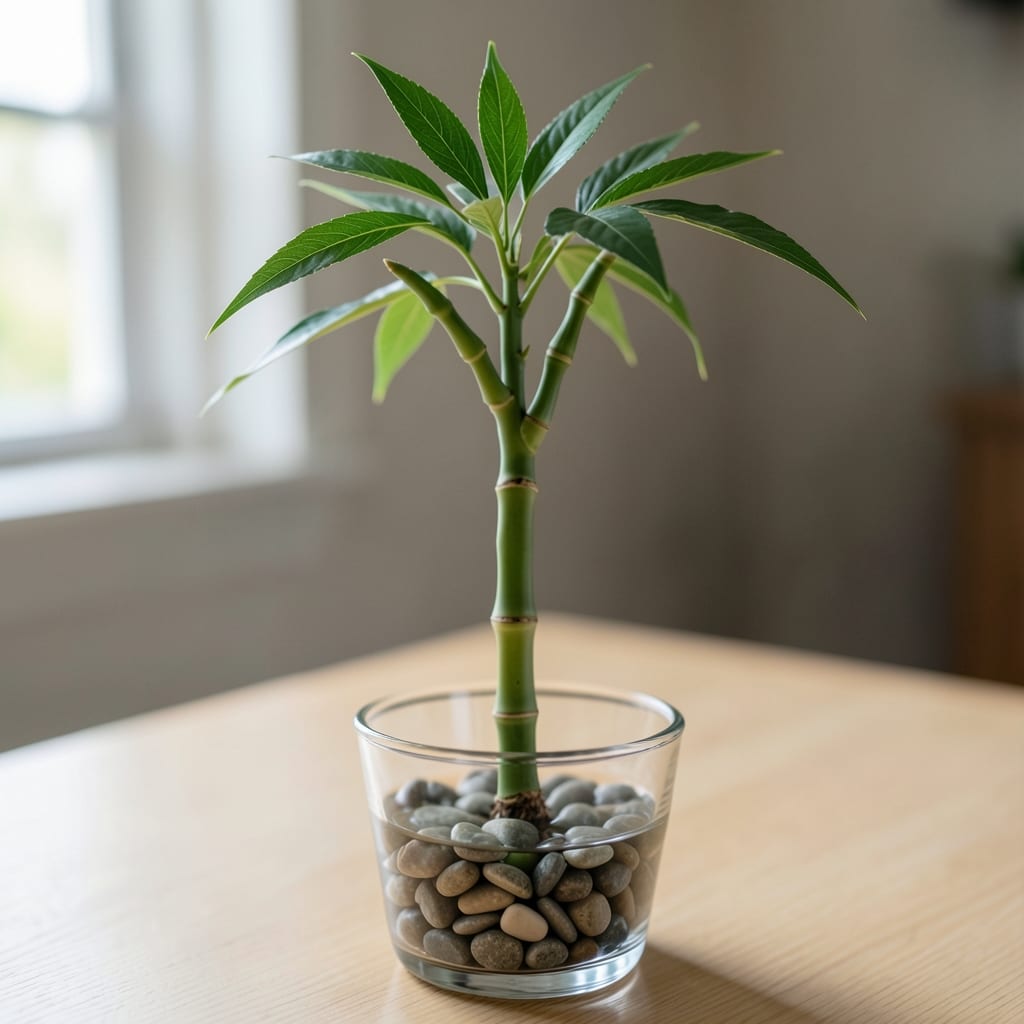
If you’ve ever wondered how tall bamboo grow in just a few short years, the answer might surprise you—some species can shoot up to 30 feet in three years or more, creating a dramatic, fast-growing privacy screen or natural focal point in your garden.
Bamboo isn’t just a plant; it’s a game-changer for anyone looking to transform their outdoor space quickly. Whether you’re dreaming of a lush green wall or a towering shade provider, understanding the growth habits of different varieties is key to getting the results you want.
From dwarf species that stay under 8 feet to towering giants reaching over 100 feet, the possibilities are endless. But growth isn’t just about height—it’s also about how fast it happens and how to care for it to keep it thriving.
In this guide, I’ll break down the fastest-growing bamboo varieties, the factors that influence their height, and the easiest ways to manage or contain them. Let’s get started!


Bamboo growth rates: fastest species and how tall they grow
Bamboo’s reputation for rapid growth isn’t just a gardening myth—it’s a reality. Some species can shoot up 30 feet in just three years, transforming your garden into a lush green sanctuary almost overnight. But not all bamboo grows at the same rate or reaches the same height. Understanding these differences is key to choosing the right variety for your space and goals.
Fast-growing bamboo species like Phyllostachys aureosulcata (Golden Groove Bamboo) and Bambusa multiplex (Thorny Bamboo) are famous for their towering heights. These varieties can mature between 20 to 100 feet, depending on growing conditions. Even slower-growing types, like Fargesia robusta, can still reach 10 to 15 feet in ideal settings.
Climate plays a huge role in how tall bamboo grows. In USDA Zones 6-10, where bamboo thrives, species like Phyllostachys nigra (Black Bamboo) can grow 30 feet in just two years with proper care. Cooler climates may slow growth, but with the right soil and sunlight, bamboo can still reach impressive heights.
Here’s the breakdown of how different bamboo species grow in height over time:
| Species | Mature Height | Growth Rate (Years to Mature) | Best For |
|---|---|---|---|
| Phyllostachys aureosulcata | 60-80 ft | 3-5 years | Privacy screens, dramatic focal points |
| Bambusa multiplex | 30-50 ft | 4-6 years | Urban gardens, containers |
| Phyllostachys nigra | 30-40 ft | 2-3 years | Privacy, ornamental use |
| Fargesia robusta | 10-15 ft | 5-7 years | Small gardens, woodland areas |
| Bambusa vulgaris | 50-65 ft | 5-7 years | Tropical climates, large landscapes |
If you’re aiming for a quick privacy screen, focus on running bamboo like Phyllostachys aureosulcata. These varieties spread aggressively but grow vertically fast. For smaller spaces, clumping bamboo like Fargesia species stay contained while still offering height and texture.
One common misconception is that bamboo only grows tall in tropical climates. While it thrives in warm, humid conditions, many species—like Phyllostachys nigra—adapt well to USDA Zones 5-9 with proper care. The key is choosing the right species for your climate and providing the ideal growing conditions.
For example, in Zone 7, I’ve seen Phyllostachys aureosulcata reach 25 feet in just two years with consistent watering and full sun. In cooler Zone 6, the same species might take 3-4 years to reach similar heights but still delivers stunning results.
Soil quality also impacts height. Bamboo loves well-draining, loamy soil rich in organic matter. Amending clay or sandy soil with compost can make a 10-20% difference in growth rate. Pair that with 6+ hours of sunlight daily, and you’ll see bamboo shoot up faster than expected.
Ready to add a towering beauty to your garden? Start by selecting a species that matches your space and climate, then give it the care it needs to reach its full potential. With the right conditions, you could have a 30-foot bamboo grove in just three years!
How to maximize bamboo height: soil, sunlight, and care tips
Want your bamboo to reach its full towering potential? The secret lies in creating the perfect growing conditions. Unlike popular myths, bamboo doesn’t need a tropical climate—it thrives in USDA Zones 6a-10 with the right care. Start by choosing loamy, well-draining soil enriched with compost. This ensures strong root development, which directly impacts vertical growth.
Bamboo’s rapid growth—up to 3 feet per year—depends heavily on sunlight. Most varieties prefer 4-6 hours of direct sun daily, but some, like Phyllostachys nigra, tolerate partial shade. Avoid planting in deep shade, as this stunts height and weakens stems. Morning sunlight is ideal to prevent afternoon heat stress.
Consistent moisture is key—bamboo roots need deep watering 2-3 times per week during dry spells. Let the top 2 inches of soil dry between waterings to prevent root rot. Mulch with wood chips to retain moisture and regulate soil temperature, which encourages steady upward growth.
Pruning plays a crucial role in shaping height. Remove dead or weak canes in late winter to redirect energy to new shoots. For running bamboo, trim back aggressive rhizomes annually to maintain focus on vertical growth. Avoid over-pruning, as this stresses the plant and slows height gains.
Did you know? Phyllostachys aureosulcata (Golden Bamboo) can grow 3 feet per year under ideal conditions. With the right care, it’s not uncommon to see 30-foot stalks in just 3 years. The trick is patience—bamboo invests early growth in root systems before shooting upward.
For best results, monitor your bamboo’s response to care. Adjust sunlight exposure, watering, or fertilizer based on leaf color and growth rate. A healthy plant with vibrant green leaves is on track to reach its full mature height—whether that’s 10 feet for dwarf varieties or 100 feet for giants like Dendrocalamus asper. 🌿