
How To
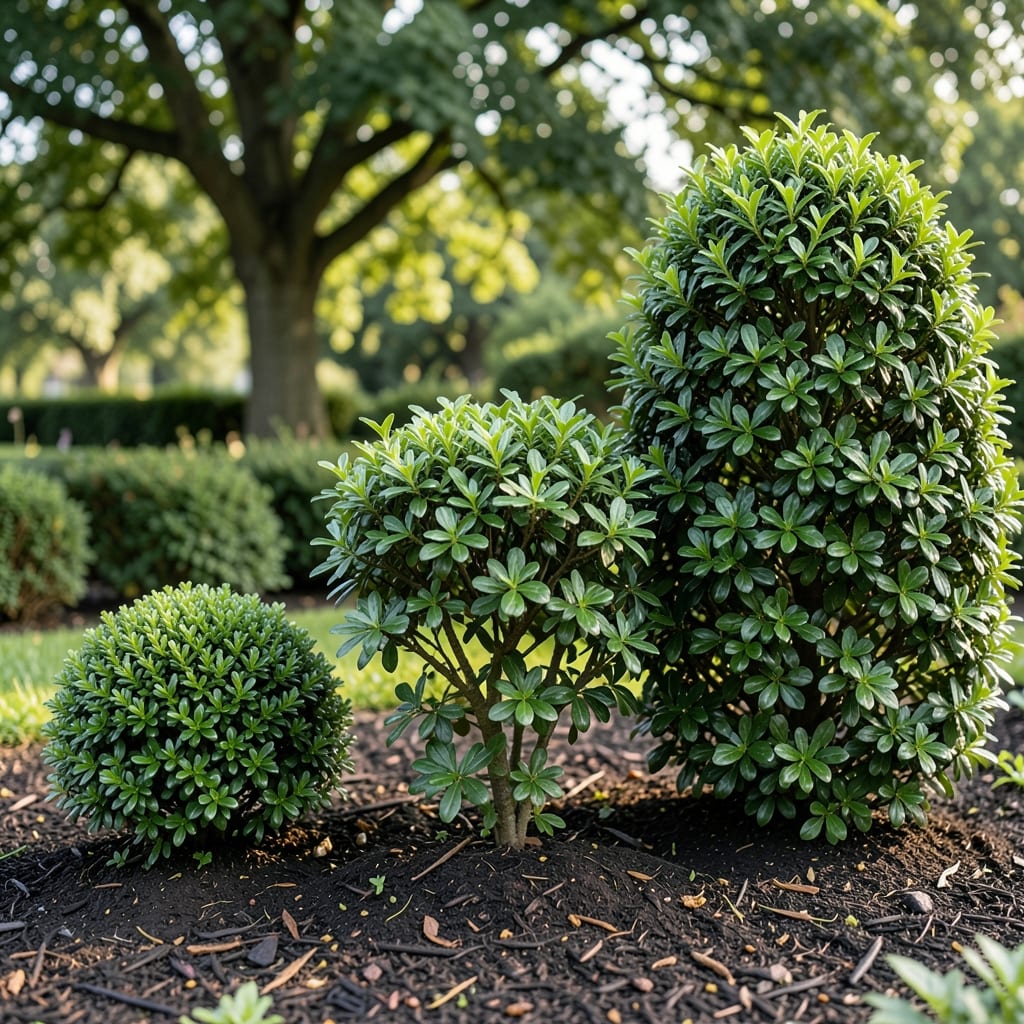
Curious about how tall boxwoods grow and whether they’ll soon overshadow your patio or stay neatly trimmed? The answer depends on the variety, care, and a little strategic pruning—because even the smallest boxwood 🌿 can stretch toward the sky if left unchecked.
Boxwoods are famously adaptable, but their height ranges wildly: from compact 1-foot dwarf varieties to towering 15-foot giants. If you’re dreaming of a manicured hedge or a statement shrub, knowing the growth patterns is your first step. I’ll break down exactly what to expect—and how to guide their growth in the right direction.
Here’s the game-changer: with the right timing and techniques, you can control their height in just 3 years. Whether you’re dealing with a rambunctious English boxwood or a delicate Japanese cultivar, pruning isn’t just about cutting back—it’s about shaping their future. Let’s get started.
From soil prep to seasonal trims, I’ll show you how to keep your boxwoods at your ideal height—no guesswork, just results. Ready to transform your garden’s vertical vision?

Natural boxwood growth height: what to expect by species and age
Boxwoods are the chameleons of the shrub world—their height depends entirely on the variety you choose and how you care for them. A dwarf boxwood might stay cozy at just 1–3 feet, while a standard English boxwood could stretch to 12 feet or more if left unchecked. The key? Understanding your plant’s natural growth potential and how to influence it.
Most boxwoods grow 6–12 inches per year in their prime, but this slows as they mature. For example, a Japanese boxwood might hit 3–5 feet in 5 years, while an American boxwood could reach 6–10 feet in the same timeframe. Climate plays a role too—warmer zones like USDA Zone 8+ often see faster growth than cooler regions.
Here’s the game-changer: age matters. Young boxwoods focus energy on root development, growing just 1–2 feet in their first year. By year three, they’ll start shooting upward more aggressively—unless you guide them. I’ve seen unpruned boxwoods double in height between years 3 and 5 if given ideal conditions.
Soil quality is your secret weapon. Well-draining, slightly acidic soil (pH 6.0–7.0) fuels faster growth, while poor soil can stunt a boxwood by 30–50%. Amend with compost before planting to set your shrub up for success. Even the most compact varieties need nutrient-rich soil to stay small.
Now, let’s talk species-specific heights. Not all boxwoods are created equal—some are bred to stay low, while others are built for height. The table below breaks down what to expect from the most popular types, so you can pick the perfect fit for your space.
| Variety | Mature Height | Growth Rate (Annual) | Best For |
|---|---|---|---|
| Dwarf Boxwood (e.g., 'Green Velvet') | 1–3 ft | 3–6 in/year | Borders, containers, edging |
| Semi-Dwarf (e.g., 'Winter Gem') | 3–5 ft | 6–12 in/year | Hedges, foundation plants |
| Standard (e.g., 'English Boxwood') | 5–15 ft | 12–18 in/year | Privacy screens, specimen plants |
| Japanese Boxwood (e.g., 'Nana') | 2–4 ft | 4–8 in/year | Topiary, bonsai, accent plants |
| American Boxwood (e.g., 'Green Mountain') | 6–10 ft | 8–12 in/year | Woodland gardens, mass plantings |
Pro tip: If you’re planting near a fence or wall, opt for a semi-dwarf or standard variety—they’ll fill vertical spaces beautifully. For containers or small gardens, dwarf boxwoods are your best bet to avoid overcrowding. Just remember, even the smallest boxwood can grow taller if given the right conditions!
Light exposure also tweaks height. Full sun (6+ hours/day) can push growth by 20–30%**, while partial shade (3–6 hours) keeps them more compact. My Japanese boxwoods in a shady spot stay under 3 feet, while identical plants in full sun hit 4 feet in the same time.
One last factor: pruning history. Boxwoods remember how you’ve treated them. If you’ve been over-pruning (more than 1/3 of the plant at once), they may grow taller to compensate. The fix? Light, annual trims to encourage bushiness over height. I’ll show you exactly how in the next section!
Now that you know what to expect, let’s talk control. With the right techniques, you can keep even the tallest boxwoods at your desired height—without sacrificing their beauty. Ready to learn the pruning secrets?
Step-by-step pruning guide to control boxwood height in 3 years
Pruning isn’t just about cutting back—it’s about guiding growth and shaping your boxwood’s future. With the right techniques, you can reduce height by 1–2 feet annually without harming the plant. The key? Timing, tools, and a little patience. Let’s dive into the seasonal pruning schedule that keeps your boxwoods at your ideal height.
Start with spring pruning (April–May) to shape new growth. This is when boxwoods wake up from dormancy and are ready to respond to your cuts. Use sharp, clean pruners to avoid tearing branches, which can invite disease. For height control, focus on the topmost growth—cut just above a leaf bud to encourage bushier, denser foliage.
Here’s my proven 3-year plan for controlling height:
- Year 1: Light shaping to establish structure
- Year 2: Gradual height reduction (6–12 inches)
- Year 3: Final adjustments for your desired height
Each step builds on the last, so consistency is key.
🌿 Step-by-Step Pruning Guide
- Step 1: Early Spring (April) – Remove dead or crossing branches first. Cut at a 45-degree angle just above a leaf bud.
- Step 2: Late Summer (August) – Light trim to shape. Avoid heavy cuts—this encourages tender new growth before winter.
- Step 3: Annual Height Check – Measure growth in spring and fall. Adjust cuts to stay on track for your target height.
- Step 4: Tools You’ll Need – Bypass pruners, hand pruners, and loppers for thicker branches.
- Step 5: Post-Pruning Care – Water deeply and apply mulch to retain moisture and protect roots.
For height control specifically, aim to remove no more than 25% of the plant’s height in a single season. Over-pruning stresses boxwoods and can lead to brown, leggy growth. Instead, think of pruning as a conversation with your plant—small, intentional cuts yield the best results.
Pro tip: If your boxwood is already too tall, don’t panic. You can reduce height by up to 1 foot per year with careful pruning. Just focus on the topmost growth and avoid cutting into old wood, which won’t regrow. Patience and precision pay off!
Remember, boxwoods thrive on routine. Stick to your pruning schedule, and in just three years, you’ll have a perfectly sized shrub that fits your garden vision. Happy pruning! ✂️