
How To
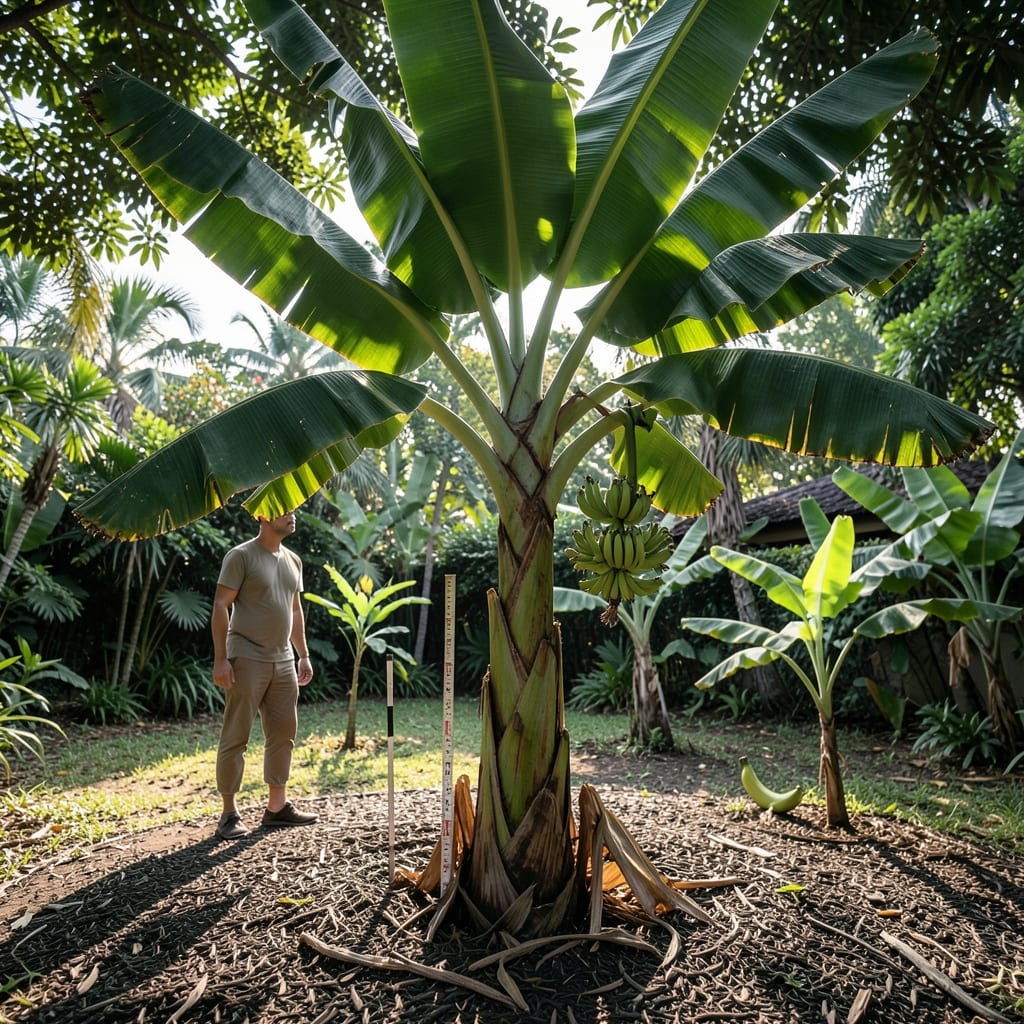
If you’ve ever wondered just how tall your 🍌 banana tree could grow, the answer might surprise you—some varieties stretch over 25 feet, while others stay compact enough for even small gardens. The height of a banana tree isn’t just about space; it directly impacts your harvest, climate adaptability, and even how you care for it.
Picture this: a towering Musa variety reaching the height of a two-story house, its broad leaves swaying in the breeze, while a dwarf banana tree stays neatly under 10 feet. The difference comes down to the variety you choose, your local climate, and a few key growing tricks. Whether you’re dreaming of a lush tropical oasis or just want a few bananas for your kitchen, knowing your tree’s potential height is the first step to success.
In this guide, I’ll break down the height ranges of the most popular banana varieties—from the tiny Dwarf Cavendish to the sky-scraping Gros Michel—and share what factors influence how tall your tree will grow. You’ll also learn how to maximize growth (or keep it manageable) based on your garden’s conditions. Ready to discover which banana tree fits your space and goals?
From 10-foot dwarfs to 30-foot giants, the right variety can turn your backyard into a banana paradise—or at least a steady supply of fresh fruit. Let’s dive into the details so you can plant with confidence.


Banana tree height by variety: from dwarf to giant species
Banana trees come in a stunning range of heights, from compact dwarfs perfect for small gardens to towering giants that dominate the landscape. The variety you choose isn’t just about aesthetics—it directly impacts your harvest size, growing difficulty, and even climate suitability. For example, the Dwarf Cavendish, a favorite among home gardeners, tops out at just 8–12 feet, while the Gros Michel, a commercial staple, can soar to 25 feet or more.
Most banana trees belong to the Musa genus, and their height is influenced by genetics, growing conditions, and care. In tropical climates, these trees thrive year-round, while in USDA zones 9–11, they’re often grown as annuals or in containers. Understanding these differences helps you pick the right variety for your space and goals—whether you want a low-maintenance patio plant or a fruit-bearing giant.
Here’s a quick look at how banana tree heights break down by category: dwarf (5–10 ft), semi-dwarf (12–18 ft), and standard/giant (20–30+ ft). Each category offers unique benefits, from easier harvesting to longer fruiting cycles. Let’s explore the most popular varieties and their mature heights.
| Variety | Mature Height | Growth Habit | Best For |
|---|---|---|---|
| Dwarf Cavendish | 8–12 ft | Compact, bushy | Small gardens, containers |
| Lady Finger (Dwarf Red) | 10–12 ft | Upright, slender | Ornamental, small fruit |
| Ice Cream Banana | 15–20 ft | Tall, spreading | Tropical climates, large fruit |
| Grand Nain | 12–18 ft | Semi-dwarf, sturdy | Home gardens, reliable harvest |
| Gros Michel | 20–30+ ft | Tall, fast-growing | Commercial, large fruit |
| Red Dacca | 18–25 ft | Tall, dramatic leaves | Ornamental, tropical landscapes |
| Bluggoe | 15–20 ft | Medium height, hardy | Cold-hardy zones, large fruit |
Note: Heights vary by climate and care. Container-grown trees may stay shorter.
The Dwarf Cavendish is the gold standard for home gardeners because it fits neatly into small spaces while still producing abundant fruit. Its 8–12 foot height makes it ideal for containers or urban gardens, where larger varieties would overwhelm the area. If you’re growing bananas in USDA zone 10 or colder, dwarf varieties are your best bet—they’re easier to protect from frost and can even be moved indoors during winter.
On the other hand, varieties like the Gros Michel or Red Dacca are statement plants that thrive in tropical climates or large estates. These giants can reach 25–30 feet, making them more suited for landscaping
How to determine your banana tree’s maximum height potential
Your banana tree’s final height isn’t just about genetics—it’s a mix of variety selection, climate conditions, and the care you provide. For example, a Dwarf Cavendish might stay under 10 feet in a container, while the same variety planted in rich tropical soil could reach 12 feet or taller. The key is understanding how these factors interact to influence growth.
First, consider your USDA hardiness zone. Banana trees thrive in zones 10–11, where they grow year-round. In cooler zones (like 9 or below), they’ll grow slower and may never reach their full potential unless you use containers for mobility. Even in ideal climates, factors like soil quality, water availability, and sunlight exposure can push a tree toward its maximum height—or keep it shorter.
The pseudostem (the tree’s false trunk) is where the magic happens. Unlike true trees, banana “trees” are actually giant herbaceous plants. Each pseudostem grows until the tree flowers, at which point it dies—but not before producing a replacement pseudostem from the base. This cycle repeats, with each new pseudostem adding to the tree’s height. If you prune old pseudostems too aggressively, you might stunt growth, while leaving them can encourage taller, more robust stems.
- 🌱 Variety Matters Most: Dwarf types (8–12 ft) vs. giants (20–30+ ft). Choose based on space and climate.
- ☀️ Sunlight = Growth Fuel: 6+ hours of direct sun daily maximizes height potential.
- 💧 Water Deeply: Consistent moisture (1–2 gallons per watering) prevents stunted growth.
- 🌡️ Climate Limits Height: Zones 9–11 allow full growth; cooler zones cap height at 10–15 ft.
- ✂️ Pruning Affects Height: Remove old pseudostems to encourage new growth—but don’t overdo it.
Pro Tip: Container-grown trees rarely exceed 10 feet, even for larger varieties.
Another critical factor is flowering time. Banana trees flower when they reach maturity, and this triggers the final growth spurt before the pseudostem dies. If you’re growing in a cooler climate, your tree might take 1–2 years longer to flower, delaying its height increase. In tropical zones, some varieties like the Gros Michel can flower as early as 9–12 months, shooting up to 20+ feet in a single growing season.
To maximize height (or control it), focus on these three leverage points: soil fertility, water consistency, and pruning strategy. For example, adding compost-rich soil can boost growth by 20–30%, while mulching retains moisture and encourages deeper root systems. If you’re in a small space, consider heading back (pruning the top of the pseudostem) to redirect energy into wider growth rather than height.
Remember, even the tallest banana trees have a lifespan of 5–7 years before they decline. By understanding these factors, you can predict and influence your tree’s height—whether you’re aiming for a backyard skyscraper or a compact container plant. The right balance of care and variety selection will give you the perfect-sized banana tree for your goals. 🌿