
Plants
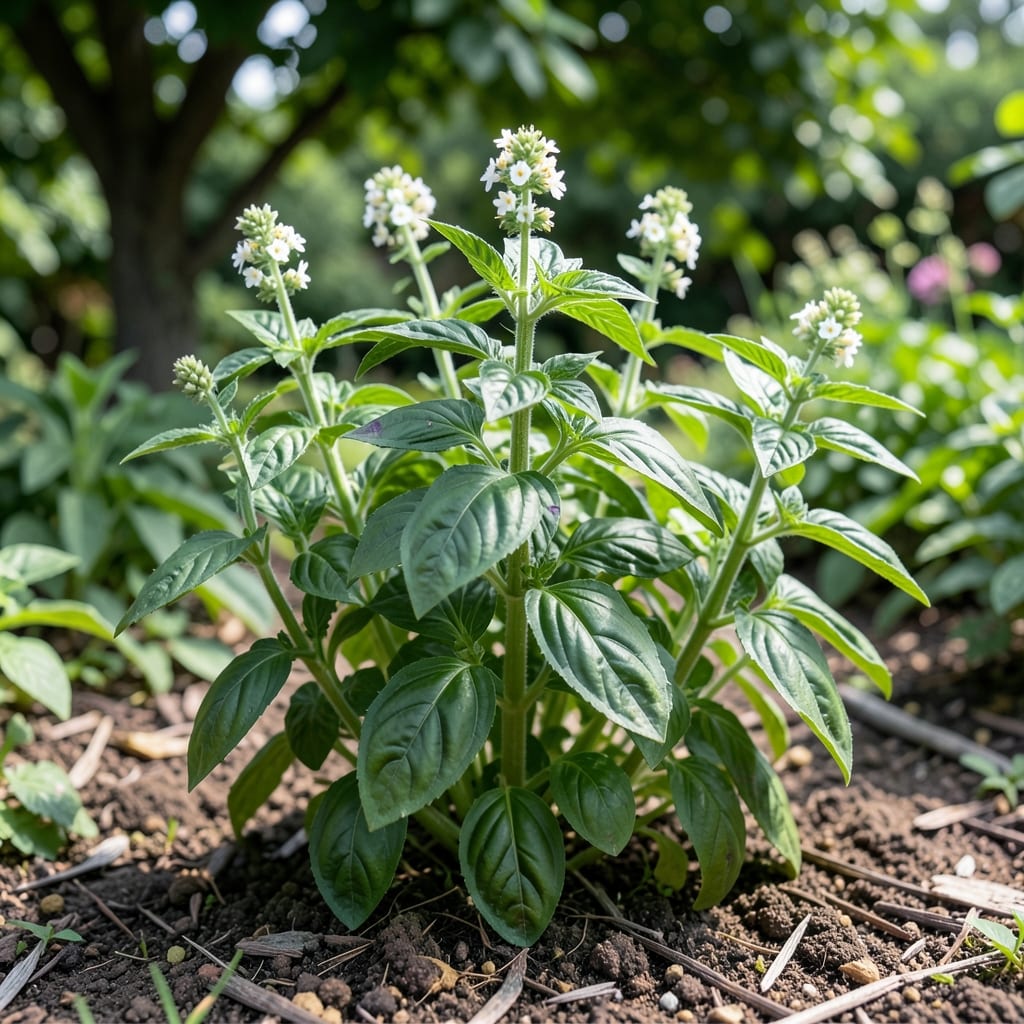
Curious about how tall your 🌿 basil plant can grow? The answer isn’t just about genetics—it’s also about how you care for it. Some varieties naturally reach 2 feet tall, while others stay compact at just 6 inches, all depending on the type and growing conditions.
If you’re growing basil in pots, you’ll likely see shorter, bushier plants, while those in garden beds can stretch taller. The key to controlling height lies in pruning—cutting back regularly encourages fuller growth, while neglect can lead to leggy, towering stems.
Whether you’re aiming for a compact herb garden or a towering basil bush, understanding these factors will help you shape your plant’s height. Let’s break down what determines your basil’s growth and how to get the perfect harvest every time.
From choosing the right variety to mastering pruning techniques, you’ll learn how to influence your basil’s height and keep it thriving. Ready to grow the ideal basil plant for your needs?


Natural basil growth height: genetic varieties and their maximum heights
Basil’s height isn’t one-size-fits-all—it depends entirely on the variety you grow. Some types stay compact, perfect for windowsills, while others stretch tall for garden beds. Understanding these differences helps you choose the right plant for your space and goals.
Most basil varieties fall into three height categories: dwarf (6–12 inches), semi-dwarf (1–1.5 feet), and standard (1.5–2 feet). The Genovese basil, a classic choice, typically reaches 18–24 inches when grown in ideal conditions, while Thai basil can exceed 2 feet with its upright growth habit.
Here’s how popular varieties compare in terms of mature height and growth habits:
| Variety | Mature Height | Growth Habit | Best For |
|---|---|---|---|
| Genovese | 18–24 inches | Upright, bushy | Pesto, fresh leaves |
| Thai Basil | 2–3 feet | Tall, leggy | Asian dishes, long stems |
| Purple Basil | 12–18 inches | Compact, bushy | Decorative, containers |
| Spicy Globe | 6–12 inches | Dwarf, rounded | Pots, windowsills |
| Lemon Basil | 18–24 inches | Medium, bushy | Citrus dishes, tea |
The Genovese basil, for example, thrives in garden beds where it can spread its roots and reach its full 2-foot potential. In contrast, Spicy Globe basil stays under 12 inches, making it ideal for small pots or indoor growing. Even within a single variety, height can vary based on whether you’re growing it in containers or garden soil.
If you’re growing basil in containers, expect plants to stay 10–20% shorter than their garden-grown counterparts due to root restrictions. For instance, a Genovese basil in a 12-inch pot might max out at 16 inches instead of 24 inches. To compensate, choose larger pots (at least 12–14 inches in diameter) and use well-draining potting mix to encourage deeper root growth.
Light also plays a role in height. Basil grown under grow lights indoors may stretch taller (a condition called etiolation) if it doesn’t receive enough bright light. To prevent this, place your plants within 6–12 inches of a full-spectrum LED grow light for 12–14 hours daily. Outdoor plants, however, will naturally stay shorter and bushier with proper sun exposure (6+ hours of direct sunlight).
Another factor is temperature. Basil grows best in warmth (70–80°F), but cooler nights can slow growth and reduce height. If you’re in a Zone 5 or colder, start seeds indoors 6–8 weeks before the last frost and transplant after temperatures stabilize. This gives your plants enough time to mature before cooler weather stunts their growth.
Finally, soil quality matters. Basil prefers fertile, well-draining soil with a pH of 6.0–7.0. Poor soil can lead to stunted growth or leggy stems. Amend your garden beds with compost or use a balanced fertilizer (10-10-10) every 4–6 weeks to support healthy, compact growth.
By choosing the right variety and optimizing growing conditions, you can control your basil’s height—whether you want a towering bush or a compact windowsill herb. The key is matching the plant’s natural growth habit to your space and care routine.
Natural basil growth height: genetic varieties and their maximum heights
Did you know your basil plant’s height depends first on its genetic variety? Some types naturally stay short and bushy, while others grow tall and leggy. For example, Genovese basil, the classic pizza herb, typically reaches 18-24 inches tall, while Thai basil can stretch up to 3 feet under ideal conditions.
The dwarf varieties, like Spicy Globe or Mango basil, rarely exceed 12 inches, making them perfect for windowsills and small pots. Meanwhile, standard varieties like Sweet basil or Purple basil often hit 2 feet or more when left unpruned.
Here’s how genetics shape your basil’s height potential:
| Variety | Mature Height | Growth Habit | Best For |
|---|---|---|---|
| Genovese | 18-24" | Upright, leggy | Cooking, containers |
| Thai Basil | 24-36" | Tall, slender | Asian dishes, gardens |
| Spicy Globe | 6-12" | Compact, bushy | Pots, windowsills |
| Purple Basil | 12-24" | Medium, upright | Decorative, salads |
| Mango Basil | 12-18" | Bushy, fragrant | Fruit salads, garnishes |
Choosing the right variety for your space is key. If you’re growing basil in containers, opt for dwarf or compact types to keep it manageable. For garden beds, taller varieties like Thai basil thrive with more room to stretch.
Even within a variety, light exposure and pruning habits can push a plant toward its genetic height limit or keep it shorter. For instance, a Genovese basil in full sun with regular pruning might stay around 18 inches, while one neglected in shade could reach 30 inches but with sparse leaves.
Next time you pick basil seeds, check the height range on the packet—it’s your first clue to managing growth. Pair that with smart pruning, and you’ll get the perfect-sized plant for your needs! 🌱