
How To
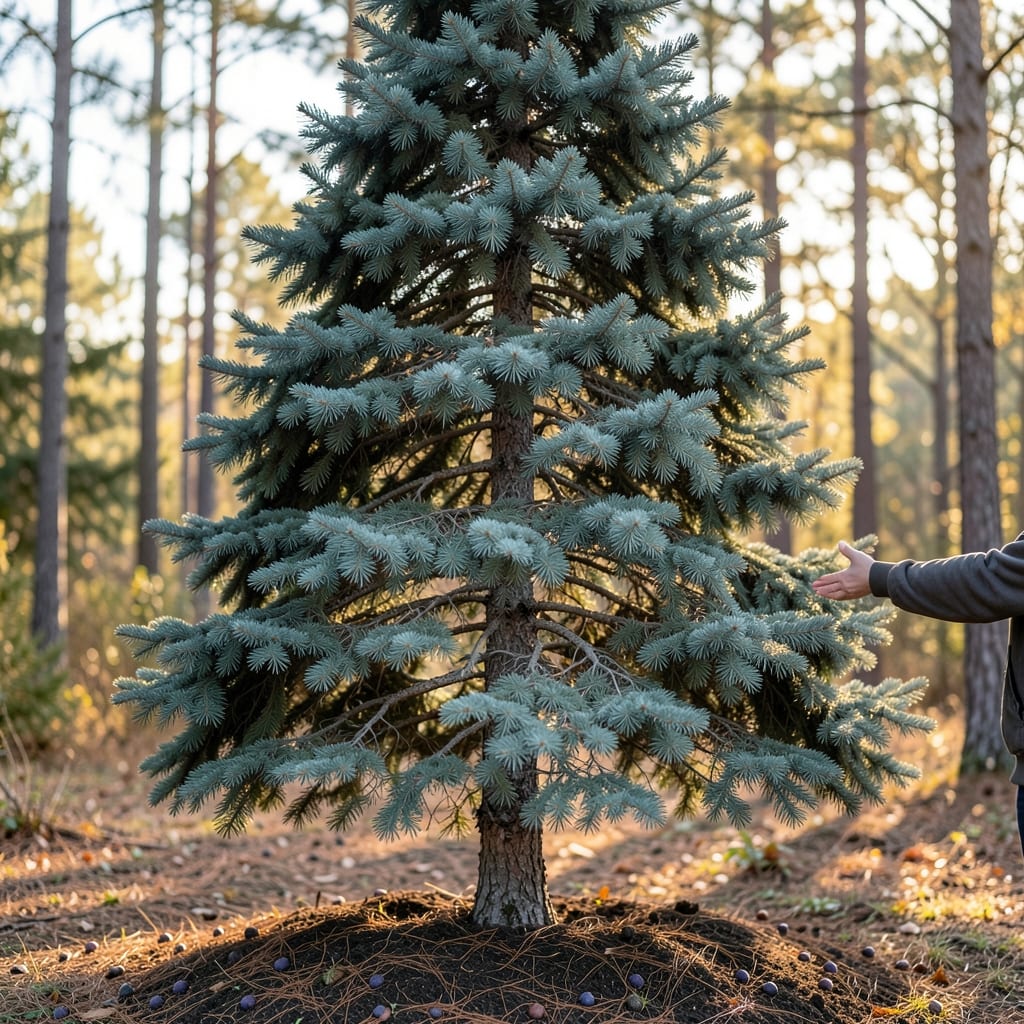
If you’re wondering how tall can a cedar tree grow, the answer might surprise you—some varieties stretch toward the sky like natural skyscrapers, while others stay cozy and manageable. Whether you’re planning a privacy screen or a simple shade tree, knowing the height range of your 🌲 cedar tree is the first step to smart landscaping.
Not all cedars are created equal. Eastern red cedars might top out at a modest 30 feet, while the mighty Atlas cedar can soar past 100 feet—that’s taller than most two-story homes! Your climate, soil, and even pruning habits play a huge role in how tall your tree will grow, so let’s break down what to expect for each species.
If you’re working with limited space, don’t worry—there are dwarf varieties that stay under 15 feet while still offering that classic cedar charm. But if you’re dreaming of a grand, towering presence, we’ll cover how to give your tree the best conditions to reach its full potential.
Ready to pick the perfect cedar for your yard? Let’s explore the heights, growth rates, and care tips so you can choose with confidence—whether you want a whisper of greenery or a forest-worthy statement piece.


Cedar tree height by species: from dwarf to skyscraper varieties
When planning your landscape, knowing how tall can a cedar tree grow is crucial—because the wrong choice could mean years of trimming or a tree that outgrows its space. Cedar trees come in stunning varieties, each with its own growth trajectory. From the Eastern red cedar, which stays compact at 30 feet, to the majestic Atlas cedar, which can reach 100+ feet, your selection depends on your yard’s size and vision.
Not all cedars are true cedars—some are junipers or cypresses, but they’re often called cedars in common language. For clarity, we’ll focus on the five most popular cedar species and their mature heights, so you can pick the perfect fit for your property. Whether you need a privacy screen, a windbreak, or a focal point, understanding these heights will help you avoid costly mistakes.
Below, I’ve outlined the height ranges, growth rates, and ideal conditions for each species to help you visualize their potential in your landscape. Remember, these heights are mature estimates—actual growth depends on soil, sunlight, and care.
| Species | Mature Height | Growth Rate | Ideal Conditions |
|---|---|---|---|
| Eastern Red Cedar (Juniperus virginiana) | 30–40 ft | Slow to moderate | Full sun, well-drained soil |
| Atlantic White Cedar (Chamaecyparis thyoides) | 40–60 ft | Moderate | Moist, acidic soil, partial shade |
| Western Red Cedar (Thuja plicata) | 60–75 ft | Moderate to fast | Full sun to partial shade, moist soil |
| Deodar Cedar (Cedrus deodara) | 80–100 ft | Slow | Full sun, well-drained, cool climate |
| Blue Atlas Cedar (Cedrus atlantica 'Glauca') | 40–60 ft (dwarf varieties: 10–15 ft) | Slow | Full sun, dry soil, cold-hardy |
The Eastern red cedar is a favorite for small yards because it stays under 40 feet while offering year-round color and wildlife benefits. If you’re in a coastal or swampy area, the Atlantic white cedar thrives with its 40–60 feet height and unique bark. For a grand statement, the Western red cedar and Deodar cedar are unbeatable, but they need space—100 feet isn’t just tall; it’s a commitment.
If you love the look of cedars but have limited space, consider the Blue Atlas cedar. Its dwarf varieties stay under 15 feet, making them perfect for containers or small gardens. Just plant them in well-drained soil and give them full sun to keep them healthy and compact. For larger properties, the Western red cedar is a standout with its 60–75 feet height and lush foliage.
One common mistake is assuming all cedars grow at the same rate. The Deodar cedar, for example, grows slowly but can live for centuries, while the Western red cedar grows faster but matures sooner. To maximize height, ensure your cedar gets 6–8 hours of sunlight daily and well-draining soil. Poor soil or shade can stunt growth significantly.
For gardeners in USDA zones 5–8, most cedars thrive, but always check your local climate. In hot, dry zones, mulch around the base to retain moisture, while in wet climates, avoid waterlogging the roots. With the right conditions, your cedar can reach its full height potential—whether that’s a cozy 15 feet or a towering 100 feet.
Now that you know the height ranges, the next step is understanding how quickly these trees grow. Some species shoot up in 10 years, while others take 50 years to reach maturity. Let’s dive into growth rates and how to encourage taller (or shorter) cedars in your yard.
How fast do cedar trees grow to their maximum height?
Cedar trees don’t all grow at the same speed—some stretch toward the sky in decades, while others take centuries to reach their full mature height. Understanding growth rates by species helps you plan for long-term landscaping success. For example, the Eastern red cedar grows about 1-2 feet per year in ideal conditions, while the Atlantic white cedar might only add 6-12 inches annually. Your goal? Match your expectations to the tree’s natural pace.
Climate plays a huge role in growth speed. Cedar trees thrive in USDA zones 3-8, but those in warmer southern zones often grow faster due to longer growing seasons. In colder northern climates, growth slows dramatically in winter, extending the time to reach maximum height. For instance, a Deodar cedar in California might hit 60 feet in 30 years, while one in Minnesota could take 50 years to reach the same height.
Soil quality also impacts growth speed. Cedar trees prefer well-draining, slightly acidic soil (pH 5.0-7.0). Compacted or waterlogged soil stunts growth, while loose, nutrient-rich soil can boost height by 20-30% over time. Amending your soil with compost or organic matter during planting gives your cedar a head start toward its full potential height.
| Species | Growth Rate | Time to Mature Height | Best Climate Zones |
|---|---|---|---|
| Eastern Red Cedar | 1-2 ft/year | 20-30 years | 3-9 |
| Atlantic White Cedar | 6-12 in/year | 40-50 years | 5-8 |
| Western Red Cedar | 1-1.5 ft/year | 30-40 years | 4-8 |
| Deodar Cedar | 1-2 ft/year | 30-50 years | 6-9 |
| Blue Atlas Cedar | 12-18 in/year | 50-70 years | 5-8 |
Light exposure is another critical factor. Cedar trees need full sun (6+ hours daily) to grow at their fastest rate. If planted in partial shade, growth slows by 30-50%, and the tree may never reach its maximum height potential. For example, a Blue Atlas Cedar in full sun might hit 60 feet in 50 years, but in partial shade, it could stay under 40 feet even after 70 years.
Pruning can also influence height—when done correctly, it encourages vertical growth. Remove lower branches to redirect energy upward, but avoid heavy pruning in late summer or fall, which can stunt growth. For fast-growing species like Eastern red cedar, light pruning in early spring promotes taller, straighter trunks. Just remember: over-pruning can weaken the tree and reduce its ability to reach full height.
If you’re impatient for a taller cedar, focus on soil health, sunlight exposure, and proper spacing at planting. With the right conditions, even slower-growing species like the Atlantic white cedar can reach impressive heights—just give them time and patience. For a quicker solution, consider fast-growing dwarf varieties that mimic the look of towering cedars without the wait.