
Trees
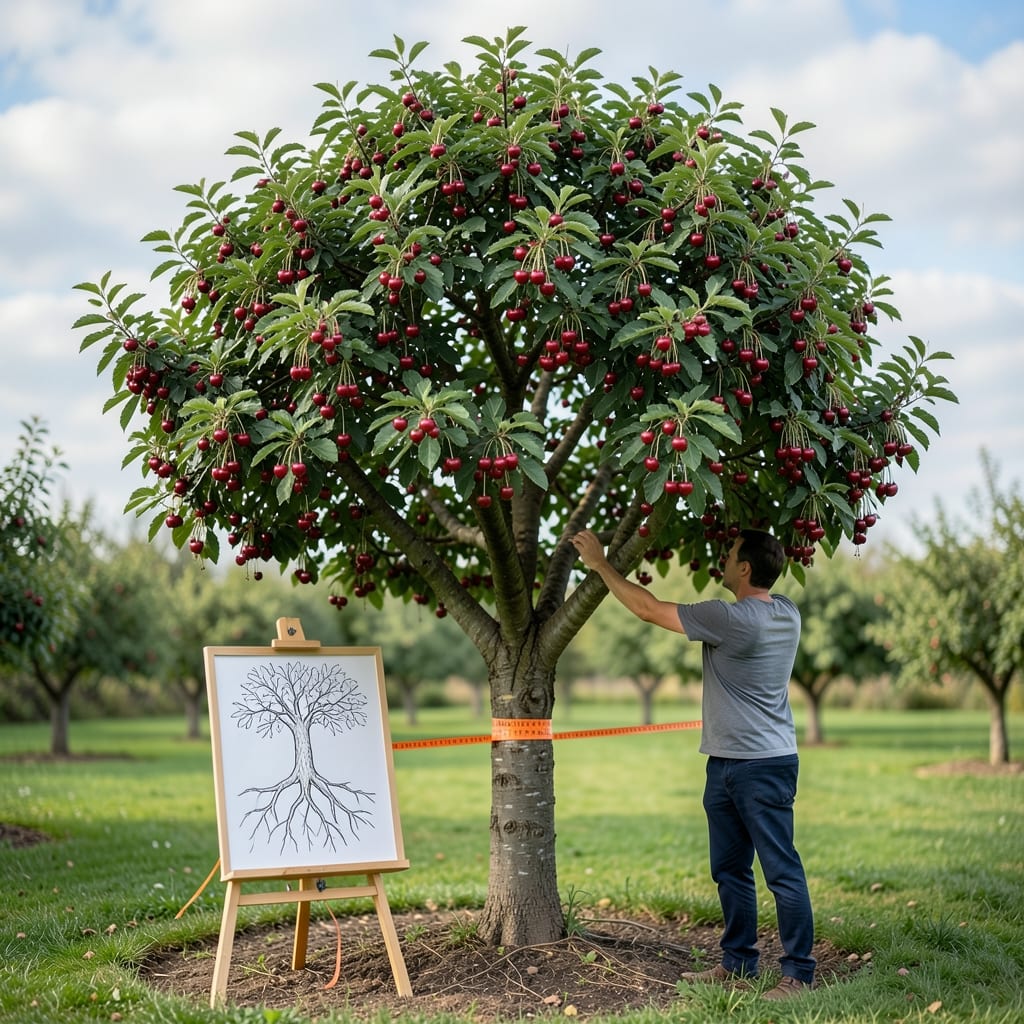
If you're picturing a 🍒 cherry tree in your backyard, you might be surprised to learn how tall this tree can grow—from a manageable 6 feet to a towering 60 feet. That’s right: the same tree can be a compact bush or a small forest, depending on the variety and how you care for it.
For many gardeners, this range is both exciting and intimidating. Imagine planting a cherry tree only to realize years later that it’s now shading your entire patio—or worse, leaning precariously over your neighbor’s fence. The good news? With the right knowledge, you can choose a variety that fits your space and your long-term vision.
In this guide, I’ll break down the height differences between dwarf, semi-dwarf, and standard cherry trees, plus the factors that influence their growth—like pruning, soil, and climate. You’ll also discover practical tips to keep your tree at your ideal height, whether you’re working with a tiny urban yard or a sprawling rural plot.
Ready to pick the perfect cherry tree for your space? Let’s dive into the varieties, growth hacks, and everything else you need to know to make an informed decision—without ending up with a giant you can’t handle.


Cherry tree height by variety: from dwarf to monumental giants
When choosing a cherry tree, the first question I ask myself is: how tall can it grow? The answer depends entirely on the variety you select. Some stay small enough for a patio, while others reach heights that rival a small oak tree. Let’s explore the most popular types and their mature sizes to help you pick the perfect fit for your space.
Cherry trees fall into three main height categories: dwarf (6–12 feet), semi-dwarf (12–18 feet), and standard (20–40+ feet). Each category offers unique benefits, from easy harvesting to stunning ornamental features. Understanding these differences will save you from future headaches—and potential calls to your neighbor about overhanging branches.
Below, I’ve compared the most sought-after varieties, including sweet cherries, tart cherries, and ornamental types. Whether you’re dreaming of a fruit-bearing tree or a showstopping landscape specimen, this breakdown will give you clarity on what to expect.
The Stella® cherry tree is my top recommendation for small spaces. At just 6–8 feet tall, it’s perfect for containers or balconies while still producing sweet, juicy fruit. If you have a bit more room, the Montmorency tart cherry (12–15 feet) is a versatile choice for both cooking and fresh eating.
For those with larger properties, standard-sized varieties like Bing or Rainier deliver the classic cherry tree experience. However, their 25–35 foot heights require careful planning—especially if power lines or buildings are nearby. Always measure your space and consider future growth when selecting a tree.
Ornamental cherries, like the Kanzan®, prioritize beauty over fruit. Their 20–25 foot stature makes them ideal for landscaping, but they won’t feed your family. If you love the look but want edible cherries, opt for a semi-dwarf sweet cherry like Colonel Faccenda, which strikes a balance between size and productivity.
One final tip: rootstock matters. A tree grafted onto a dwarfing rootstock will stay small, while one on a standard rootstock will grow tall—regardless of the variety. Always check the rootstock details when purchasing to avoid surprises.
Now that you know the height ranges, you’re ready to choose the perfect cherry tree for your garden. Next, I’ll share how to control its growth—because even the smallest tree can get out of hand if you don’t prune it properly!
How to control cherry tree height: pruning, rootstocks, and growth hacks
Even the smallest cherry tree can grow taller than expected if you don’t take action. The key to managing height lies in two critical factors: rootstock selection and pruning techniques. I’ve learned the hard way that skipping these steps leads to trees that dwarf your patio—or worse, your entire yard. Let’s break down how to keep your cherry tree at your desired height without sacrificing fruit production or health.
First, rootstock matters more than the variety itself. A Stella® cherry grafted onto a dwarf rootstock will stay under 8 feet, while the same variety on a standard rootstock could reach 25 feet. Always check the rootstock when buying—it’s the foundation of your tree’s future size. For urban gardens, I recommend Gisela® rootstocks, which produce compact trees perfect for small spaces.
Next, pruning is your best tool for controlling height. The goal is to shape the tree while encouraging outward growth (for easier fruit picking) rather than upward growth. I prune my cherry trees in late winter or early spring, just before buds swell but before new growth begins. This timing minimizes stress on the tree and promotes healthy regrowth. Use sharp, clean pruners to make cuts just above a bud or branch collar—never leave stubs.
Pruning in summer or fall can stimulate late-season growth that won’t harden off before winter, making your tree vulnerable to frost damage. Summer pruning also increases the risk of silver leaf disease, a fungal infection that can kill your tree. If you must prune outside of winter, do so only for safety reasons (e.g., removing dead or diseased branches).
For dwarf varieties, focus on light structural pruning to maintain an open center. Remove any water sprouts (fast-growing vertical shoots) and suckers (shoots growing from the base). In semi-dwarf trees, you can be slightly more aggressive with pruning to encourage a spread-out canopy, which makes harvesting cherries easier. Just remember: never remove more than 25% of the tree’s foliage in a single pruning session.
If your cherry tree is already too tall, don’t panic—you can still reduce its height with strategic pruning. Start by removing the tallest branches first, cutting them back to a lateral branch or bud. This encourages the tree to grow wider rather than taller. Over time, you can gradually lower the canopy by pruning the upper branches shorter each year. For dramatic height reduction, spread this out over 3–4 years to avoid shocking the tree.
One final tip: mulching and watering play indirect roles in height control. A 3–4 inch layer of mulch around the base of your tree helps retain moisture and regulate soil temperature, which can slow rapid growth. Water deeply but infrequently—overwatering encourages lush, fast growth that can make your tree top-heavy. Aim for 1–1.5 inches of water per week during the growing season, delivered at the base of the tree rather than overhead.
With the right rootstock and pruning plan, you can keep your cherry tree at the perfect height for your space—whether that’s a 6-foot patio tree or a 15-foot backyard beauty. Next, I’ll show you how to grow cherries in tiny spaces, including container-friendly varieties that defy expectations.