
Size
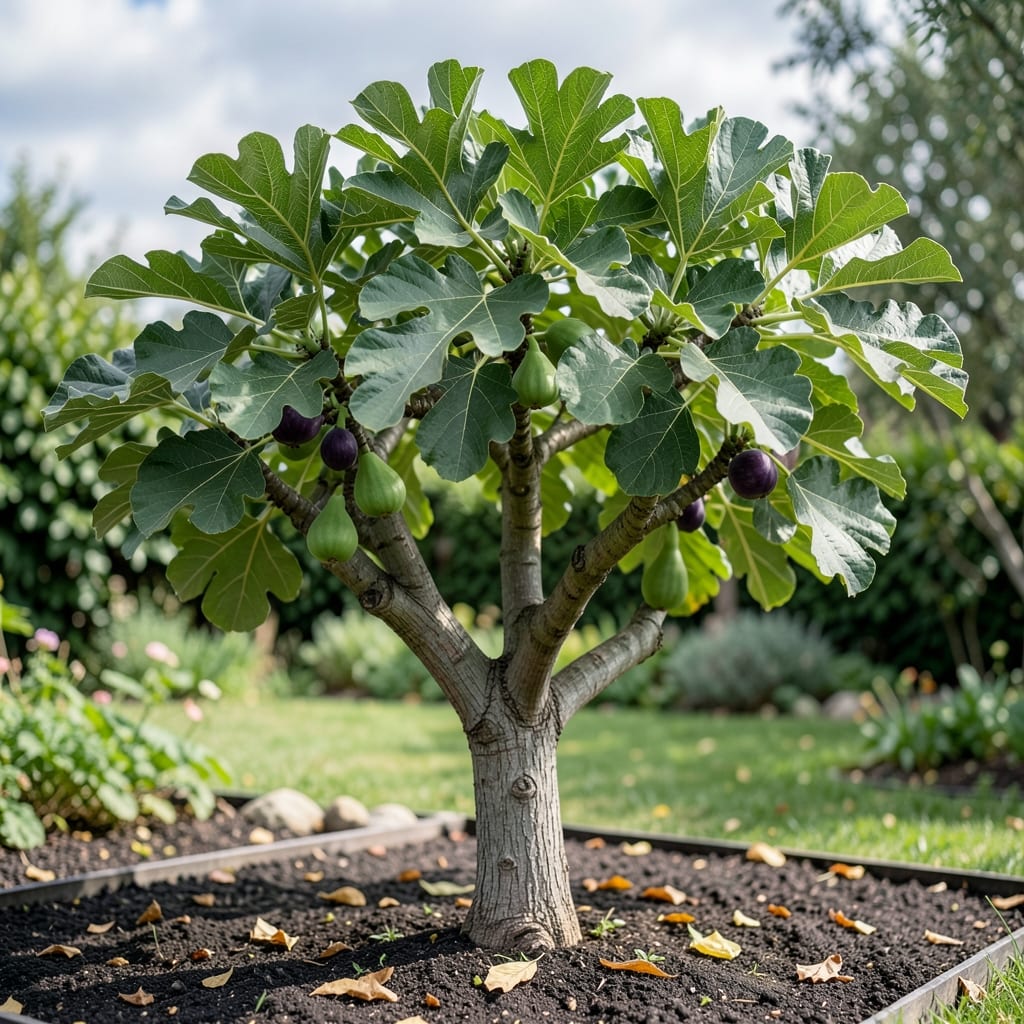
If you’ve ever wondered just how tall a fig tree 🌳 can grow, you might be surprised to learn some varieties stretch taller than a two-story house—while others stay perfectly manageable for small gardens. The answer depends on the type you choose, where you live, and how you care for it.
Fig trees are famous for their dramatic height range, from compact dwarf varieties (perfect for containers) to towering giants that dominate landscapes. Whether you're dreaming of a shady backyard retreat or a patio-friendly tree, knowing the right size for your space is the key to success.
In this guide, I’ll break down exactly how tall different fig tree types can grow—including popular cultivars like 'Chicago Hardy' and 'Brown Turkey'—and share tips to control or encourage their height based on your climate and gardening goals.
Ready to plan your perfect fig tree? Let’s explore the sky-high possibilities—and how to keep them in check!


Fig tree height by variety: from dwarf to giant species
Fig trees are famous for their dramatic height variations, ranging from compact dwarf varieties perfect for containers to towering giants that can reach 50 feet or more in ideal conditions. The type you choose directly impacts your garden layout, shade needs, and even fruit production. Let’s explore the most popular fig tree varieties and their mature heights.
For small spaces or container gardening, dwarf fig trees like 'Little Miss Figgy' stay under 10 feet tall, making them ideal for patios or balconies. These varieties grow slowly but produce abundant fruit relative to their size. On the opposite end, standard fig trees like 'Brown Turkey' can soar to 20-30 feet when given full sun and proper care.
Here’s a quick comparison of popular fig tree varieties and their mature heights:
| Variety | Mature Height | Growth Habit | Best For |
|---|---|---|---|
| Little Miss Figgy | 6-10 ft | Compact, bushy | Containers, small gardens |
| Chicago Hardy | 15-20 ft | Upright, spreading | Cold-hardy climates, large yards |
| Brown Turkey | 20-30 ft | Tall, vigorous | Shade trees, large landscapes |
| Violette de Bordeaux | 12-18 ft | Medium, spreading | Ornamental fruit, small orchards |
| Celeste | 15-25 ft | Tall, upright | Drought-resistant areas, shade |
The Chicago Hardy fig tree is a standout for cold climates, often reaching 15-20 feet while remaining hardy in USDA Zones 5-9. This makes it a favorite for northern gardeners who still want a productive tree. Meanwhile, the Brown Turkey is a classic choice for warm climates, where it can grow even taller with proper care.
If you’re growing figs in containers, opt for dwarf varieties like 'Little Miss Figgy' or 'Desert King.' These stay under 10 feet and thrive in large pots, making them perfect for urban gardens or balconies. Just ensure your container is at least 15-20 gallons to accommodate root growth.
For those with ample space, larger varieties like 'Celeste' or 'Violette de Bordeaux' offer a balance between manageable height (12-25 feet) and stunning fruit production. These varieties also add beautiful foliage and ornamental value to your landscape.
Remember, fig trees grown in Mediterranean climates (like California or Spain) often reach their maximum height potential, while those in cooler regions may stay shorter unless given extra care. Pruning and soil quality play huge roles in controlling or encouraging growth, which we’ll cover in the next section.
How climate and growing conditions affect fig tree height
Your fig tree’s ultimate height isn’t just about the variety—it’s heavily influenced by your local climate and growing conditions. In Mediterranean climates (like California or Spain), fig trees can reach 50+ feet with minimal effort, while in colder zones like Zone 6, they’ll stay shorter unless you provide extra protection.
Sunlight plays a critical role too. Full sun exposure (6+ hours daily) fuels rapid vertical growth, while partial shade can stunt a tree’s height by up to 30%. Even in sunny areas, poor soil drainage or nutrient deficiencies can limit growth, keeping your tree compact even if it’s a naturally tall variety.
Temperature matters just as much. Fig trees thrive in warm, frost-free zones, but cold snaps can force them into dormancy, slowing height gain. In USDA Zone 7-10, expect faster, more aggressive growth compared to Zone 6, where winter dieback may keep heights under 15 feet without protective measures.
Climate Impact on Fig Tree Height
Growth Potential: 30-50 ft
Growth Potential: 10-20 ft (with protection)
Height Boost: Up to 30% faster growth
Height Impact: Stunted growth (root stress)
Even the most sun-loving fig tree will struggle in heavy clay soil. Amending your soil with compost or sand improves drainage, helping roots access nutrients for upward growth. In containers, root-bound trees grow 20-30% slower than those planted in-ground, so upgrade pots every 2-3 years if you want a taller specimen.
Wind exposure also plays a hidden role. While fig trees aren’t wind-sensitive, strong gusts can break branches or distort growth patterns, leading to uneven height development. Planting near a windbreak (like a fence or hedge) helps maintain a straight, tall trunk—especially for varieties like 'Celeste', which can grow 40+ feet in ideal conditions.
Finally, remember that young fig trees grow fastest in their first 3-5 years, adding 3-5 feet per year if conditions are perfect. After that, growth slows to 1-2 feet annually. With the right climate and care, even a dwarf variety can surprise you with unexpected height!